Awnings in Sydney’s Eastern Suburbs: Style, Safety & The Hidden Threat of Rust
Sydney’s Eastern Suburbs from Bondi and Bronte to Randwick, Double Bay and Vaucluse are known for their coastal lifestyle, boutique retail strips, and heritage shopfronts. Retail shop Awnings are a defining feature of these streetscapes, offering shade, identity, and weather protection. But in this region, where salt laden air and high humidity are part of daily life, awnings face a unique enemy: Rust. Rust isn’t just a cosmetic issue. In the Eastern Suburbs, it is one of the most common and dangerous forms of awning deterioration and one that councils increasingly warn property owners to take seriously.Why Awnings Matter in the Eastern SuburbsAwnings in the East serve several important roles:– Pedestrian protection along busy retail corridors such as Bondi Road, Oxford Street, and Coogee Bay Road.– Branding and visual identity for cafés, boutiques, and coastal retailers.– Energy efficiency, reducing heat gain in shopfronts and upper level residences.– Heritage continuity, especially in older precincts like Paddington and Woollahra. But these benefits rely on one thing: structural integrityThe Eastern Suburbs Rust Problem Why It’s Worse HereRust is a chemical reaction accelerated by moisture, oxygen, and critically salt. The Eastern Suburbs sit directly in Sydney’s coastal salt corridor, meaning awnings here corrode faster than in inland suburbs. Key rust accelerators across the Eastern Suburbs– Salt spray from beaches like Bondi, Bronte, Coogee, and Maroubra.– High humidity trapped in narrow retail streets.– Blocked gutters on awnings, which councils warn can trap water and accelerate rust and wood rot.– Ageing steel frames on older shopfronts, many installed decades ago.– Poor drainage design, especially on older flat roofed awnings. Water accumulation and rust can add weight, weaken anchor points, and lead to collapse often without visible warning from street level Where Rust Appears First on Eastern Suburbs Awnings1. Anchor Points & Tie Rod Fixings – These are the most critical structural elements. Rust here can cause catastrophic failure because the awning is no longer securely attached to the building.2. Underside Steel Beams – Often hidden from casual view, these beams can rust internally before any surface signs appear.3. Gutter Channels – Blocked gutters trap water, accelerating corrosion and adding dangerous weight. Councils specifically warn that this is a major cause of awning deterioration.4. Fascia Panels – These rust more visibly, often showing bubbling paint, staining, or flaking metal. How to Identify RustProperty owners should look for:– Brown or orange staining on the underside of the awning– Bubbling or peeling paint– Sagging or uneven awning lines– Water pooling after rain– Rust streaks running down the façade– Loose bolts or visible corrosion around fixings Best Materials for Rust Resistant Awnings in Coastal Areas1. Aluminium Frames (Highly Recommended) – Modern aluminium awnings are effectively rust proof, making them ideal for coastal suburbs. Aluminium forms a natural oxide layer that resists corrosion, even within 1 km of the ocean.2. Powder Coated Finishes – These add an extra layer of protection and are available in coastal friendly colours.3. Polycarbonate Roofing – UV stable and corrosion free, polycarbonate is now preferred over older PVC or glass systems.4. Stainless Steel (Marine Grade) – Suitable for fixings and brackets, though more expensive Maintenance Tips for Rust Prevention– Remove salt buildup with fresh water– Clear gutters and drainage channels– Check for pooling water after stormsAnnual Professional InspectionCouncils warn that structural issues may not be visible from ground level.A qualified engineer should inspect:– Anchor points– Welds and joints– Internal steel beams– Load bearing brackets Repainting & RecoatingUse marine grade primers and paints to slow corrosion.– Replace, Don’t Patch, When Rust Is Structural– Surface rust can be treated, but deep corrosion in beams or fixings requires replacement. Why Rust Is a Public Safety Issue, Not Just a Maintenance Problem.Ageing awnings may collapse if rust weakens anchor points or structural elements, and that failures often occur without visible warning. In high traffic Eastern Suburbs shopping strips where footpaths are busy from morning to night this creates a serious liability risk for property owners. Conclusion: Awnings in the Eastern Suburbs Need Coastal Grade CareAwnings are part of the Eastern Suburbs’ identity, but the coastal environment makes rust an unavoidable challenge. With the right materials, regular inspections, and proactive maintenance, property owners can protect both their investment and the public. Rust may start small a stain, a bubble, a bit of flaking paint but in the Eastern Suburbs, it’s a warning sign that should never be ignored.
CBD Awnings: Why They Matter, and the Challenges Businesses Face
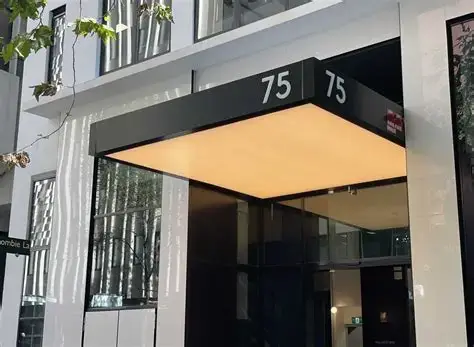
CBDs across Australia, including Sydney, Melbourne, Brisbane and Perth are undergoing major structural change. Hybrid work, fluctuating foot traffic, aging building stock, and increased competition from fringe precincts are reshaping how businesses operate in city centres. These same forces directly affect the design, maintenance, and compliance of shopfront awnings. At the same time, CBD retail is recovering, with vacancy rates falling and demand for retail space rising again, but conditions remain challenging, with insolvencies increasing and rents still volatile. This means awnings are more important than ever: they help attract customers, protect pedestrians, and enhance the visual identity of a business. Yet installing or maintaining an awning in a CBD is rarely straightforward. Why Awnings Are Essential in CBDs Pedestrian comfort: CBDs rely heavily on walkability. Awnings provide shade, shelter, and a more pleasant street level experience.Brand visibility: In dense retail corridors, awnings help businesses stand out.Weather protection: They shield entrances from rain and sun, reducing slip hazards and improving accessibility.Urban character: Many CBDs have heritage streetscapes where awnings are part of the architectural identity.But these benefits come with a list of challenges. Key Challenges of CBD AwningsAging Building Stock and Structural RiskMany CBD buildings are decades old. Some more than a century. Aging real estate is a major issue facing CBDs globally. Older façades often weren’t designed to carry modern awning loads, meaning: – Fixing points may be deteriorated or unsafe– Structural upgrades may be required before installation-– Engineers must assess load paths, corrosion, and façade integrity– Hidden defects (rusted steel, rotten timber, cracked masonry) can delay projects This makes an awning engineering certification more complex. Compliance, Permits, and Council RegulationsCBDs have stricter rules than suburban areas due to:– High pedestrian volumes– Heritage conservation zones– Narrow footpaths– Public liability risks Streetscape uniformity requirementsBusinesses often need:– Development Applications (DAs)– Structural engineering certifications– Heritage impact statements– Public domain approvals– Traffic or pedestrian management plans during installationThis can add time to a project timeline. Foot Traffic and Installation ConstraintsCBDs experience fluctuating but often heavy foot traffic.Sydney and other major cities continue to see inconsistent visitor numbers due to hybrid work patterns.This creates logistical challenges such as:– Installations may only be allowed at night– Traffic control may be required– Hoarding or scaffolding must meet strict safety standards– Deliveries of materials can be restricted to certain hours Economic Pressures on RetailersCBD retailers were among the hardest hit during the pandemic, with foot traffic collapsing and vacancies rising. Although demand is recovering, many businesses still face financial pressure. This affects awning decisions:– Owners may delay maintenance, increasing long term risk– Cheaper materials may be chosen, reducing lifespan– Some businesses inherit old, unsafe awnings from previous tenants– Insolvency risk makes long term investment harderAwnings become both a necessity and a financial burden. Heritage RestrictionsMany CBDs, especially Sydney and Melbourne… contain heritage listed buildings or conservation areas. Heritage controls may dictate:– Materials (e.g., canvas vs. vinyl)– Colours– Shapes and profiles– Fixing methods – Tie rod replacement.– Whether signage can be added Weather Exposure and Wind LoadsCBDs create wind tunnels due to tall buildings and narrow streets. Awnings must withstand:– High wind uplift– Sudden gusts– Heavy rain pooling– UV exposureEngineering requirements are therefore more stringent than in suburban areas. Coordination With Other InfrastructureCBD shopfronts often sit beneath:– Street trees– Street lighting– CCTV– Tram or bus wires– Signage poles– Public art installationsAwning replacement must be designed around these elements, often requiring additional approvals or redesigns. Conclusion: CBD Awnings Are EssentialAwnings in CBDs are far more than decorative additions. They’re part of the public realm, the retail economy, and the safety infrastructure of busy city streets. However, the combination of aging buildings, regulatory complexity, economic pressures, and logistical constraints can make CBD awning construction uniquely challenging. For business owners, the key is planning early, engaging qualified engineers, and understanding the regulatory landscape before committing to design or installation.