
Heritage Awning Styles
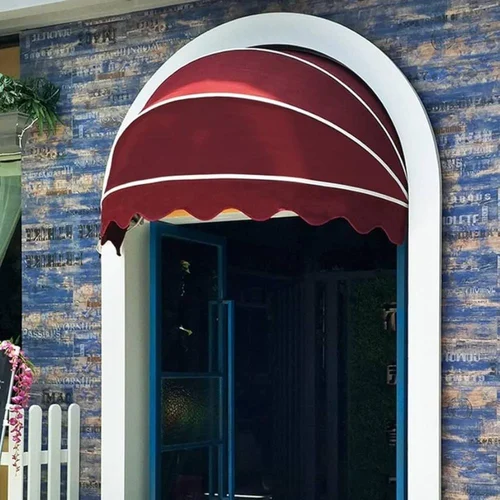
Heritage Awnings Sydney: Bullnose, Federation, Gabled and Colonial Styles Restoring a heritage awning correctly starts with identifying its style. Roof profile, post type, decorative detailing and roofing material all differ by era, and matching them accurately is what separates genuine restoration from a generic replacement. The following covers the four heritage styles most common on Sydney shopfronts. Bullnose Defined by a curved, convex roof profile, a continuous quarter-circle arc from wall to fascia edge, formed from corrugated steel or Colorbond sheeting rolled to a set radius. Supported by curved steel or timber rafters, often cantilevered, with drainage handled through an integrated box gutter rather than a visible gutter line. Associated with Victorian and Edwardian-era shopfronts. Commonly found in Paddington, Surry Hills, Newtown, Glebe and Balmain. Bullnose Federation A gently sloped, flat-pitched skillion roof rather than a curved profile. Signature decorative timber fretwork or scalloped valance along the leading edge, replacing the cast-iron lacework of the Victorian era. Timber posts, often turned or chamfered, with exposed rafter tails visible underneath. Roof sheeting in corrugated iron, frequently terracotta-toned to match Federation roof tiles. Commonly found in Haberfield, recognised as Australia’s original Federation Garden suburb, along with Ashfield, Croydon, Strathfield and Kogarah. Federation Gabled Distinguished by a triangular gable or pediment section breaking the roofline, typically positioned over an entrance, bay window or central bay, paired with a skillion or bullnose roof either side. Decorative timber barge boards and a finial at the gable apex, with timber brackets supporting the projecting section. Found across both Victorian and Federation-era buildings. Commonly found in Haberfield, Leichhardt, Erskineville and Redfern. Gabled Colonial The plainest and earliest of the heritage styles, a simple flat or gently pitched roof with minimal to no ornamentation, prioritising basic shelter over decoration. Plain timber posts, untouched by the turned or fretwork detailing of later styles, and corrugated iron or timber shingle roofing. Found on Sydney’s oldest surviving buildings, commonly in The Rocks, Millers Point and Parramatta. Colonial Whatever the style or era, Shop Awning Repairs Sydney finds the right solution to any heritage awning issue, matching original materials, profiles and detailing rather than defaulting to a generic modern replacement, and managing council or conservation approval along the way. Contact Shop Awning Repairs Sydney for an inspection and quote on your heritage awning. Related Reading The Significance of Newtown’s Heritage Awnings Asbestos in Shop Awnings: What Sydney Property Owners Need to Know Awning Maintenance: The Ultimate Guide Or take a look at our full range of services for the full range of repair, maintenance and installation work we handle.
Shop Awnings
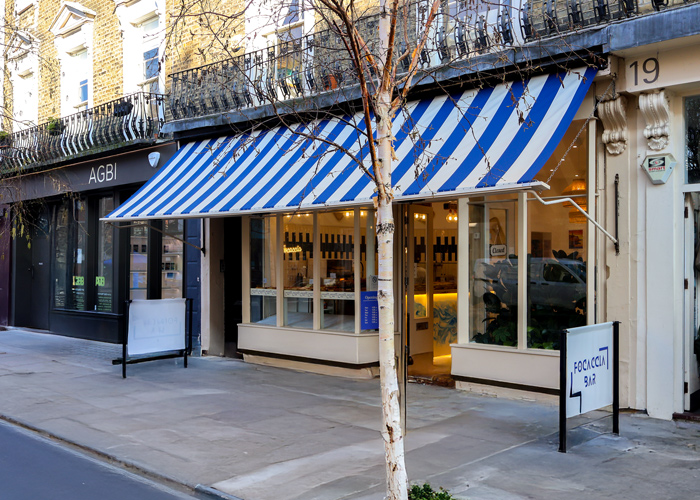
Shop Awnings A shop awning is one of the most practical investments a retail business or commercial building owner can make. Walk down any busy shopping strip and you’ll notice that the shopfronts doing the best business almost always have a well-maintained shop awning out front. It’s easy to dismiss a shop awning as a cosmetic detail, but for retail shops and commercial buildings, a good shop awning does far more than look nice, it protects, attracts, and pays for itself over time. Here’s why every retail storefront should have one. A white illuminated awning with recessed downlights over outdoor seating at Shuk restaurant. Protecting Your Storefront and Stock Sun exposure fades signage, warps timber fixtures, and can bleach the colour out of window displays within months. Rain and hail bring their own risks, from water pooling at entryways to damaged fabric on a poor-quality shop awning. A quality shop awning shields shopfronts, window displays, and merchandise from the elements, extending the life of everything from paint and signage to the products in your window. For any retail business, a durable shop awning is cheap insurance against weather damage. Keeping Customers Comfortable Retail is a business of foot traffic, and foot traffic slows down or speeds up based on comfort. A shop awning creates shade on hot Sydney days and shelter during sudden downpours, giving customers a reason to pause, browse, and linger rather than duck past a hot, glaring storefront. That extra minute of comfort under a shop awning often translates directly into a customer walking in the door. Cutting Energy Costs Direct sun on a glass storefront turns the inside of a shop into a greenhouse, forcing air conditioning to work harder. A well-positioned shop awning blocks direct sunlight from hitting windows and doors, reducing indoor heat gain and easing the load on cooling systems. Over a full Sydney summer, a shop awning can mean a noticeable dip in energy bills for retail shops and commercial buildings alike. Strengthening Your Brand with a Shop Awning A shop awning is prime real estate for your business name, logo, and colours. It’s visible from the street, day and night, and a well-branded shop awning gives a shopfront a finished, professional look that bare brick or glass simply can’t match. For commercial buildings with multiple tenancies, coordinated shop awnings also create a cohesive, well-kept streetscape that reflects well on every business inside. A fully restored curved black awning outside the Angel Hair salon shopfront. Extending Usable Space Cafes, restaurants, and retailers with outdoor seating or display areas rely on a shop awning to make that space usable year-round. Without cover, outdoor seating empties out the moment it rains or the sun gets too strong. With a shop awning in place, that space becomes an extension of the shop itself, adding capacity without adding square metreage. Protecting the Building Structure Beyond aesthetics, a shop awning helps protect entryways, doors, and window frames from prolonged weather exposure, reducing wear on seals, hinges, and paintwork. For commercial landlords, a well-maintained shop awning means fewer maintenance callouts and a longer lifespan for the building’s façade. The Bottom Line on Shop Awnings A shop awning isn’t just a shade sail with a logo on it. It protects stock and signage, keeps customers comfortable, lowers energy costs, reinforces your brand, and adds usable space to your business. For retail shops and commercial buildings alike, a shop awning is a small structure that does a lot of heavy lifting. If your shop awning is looking tired, sagging, or damaged, it’s worth getting it assessed rather than waiting for a bigger repair bill down the track. A well-maintained shop awning keeps paying for itself in comfort, protection, and street presence. Further reading: Commercial Awning Repairs Sydney – Archives Related Reading New Shop Awning Installation: A Step-by-Step Guide for Sydney Shop Awning Installation Cost in Sydney: 2026 Price Guide Awning Maintenance: The Ultimate Guide Or browse our full range of awning services for the full range of repair, maintenance and installation work we handle.
The Significance of Newtown’s Heritage Awnings
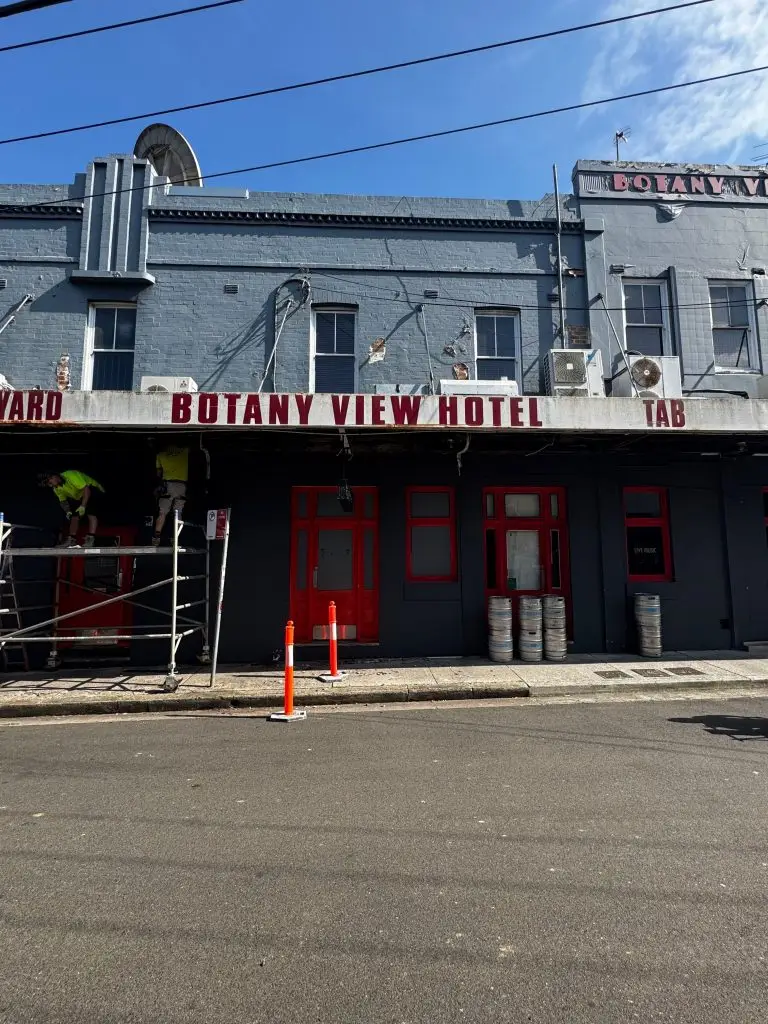
Heritage Awnings Sydney: The Significance of Newtown’s Shopfronts Walk along King Street in Newtown and one feature ties the streetscape together: the continuous line of shopfront awnings sheltering the footpath. These awnings are more than weather protection. They are a defining part of one of Australia’s most intact Victorian and Federation eras shopping strips, carrying real historical, architectural and social value. One of Australia’s most complete Victorian shopping strips Newtown grew rapidly in the late nineteenth century as the railway pushed development south, leaving a dense run of late Victorian and Federation commercial buildings along King Street and Enmore Road. The strip is widely regarded as one of the longest and most complete precincts of its period in the country, with hundreds of original shopfronts still standing (see Inner West Council and Wikipedia). Newtown owes that shopping strip to the railway. Newtown railway station opened in 1855 as one of the original stops on the Sydney to Parramatta line, and the suburb grew so quickly around it that by 1892 Newtown was Sydney’s fourth most populous suburb. King Street, running from the station down toward St Peters, became one of the first true suburban shopping strips outside the city centre, and traders built two and three storey Victorian and Federation shops with awnings over the footpath as a matter of course (see Newtown railway station, Wikipedia). Combined with neighbouring Enmore Road, the strip now runs for roughly 9 kilometres and takes in more than 600 shopfronts, widely regarded as the longest and most complete run of Victorian and Federation era shops in Australia. Hundreds of these shopfronts still carry their original or early awnings, which is why the strip reads so consistently from one end to the other. Click here A nighttime street view of shopfronts and awnings in Newtown. A corner pub building on Enmore Road, with a red awning over the ground-floor entrance. From posted verandas to cantilever awnings The earliest shelters were posted verandas of timber and iron, with decorative metalwork and pressed metal soffits, held up by posts at the kerb. Through the twentieth century many were replaced with cantilever awnings that hang from the building face without posts. Both forms are now part of the heritage record, and surviving original awnings are treated as significant fabric worth protecting. Look closely at King Street and Enmore Road and you can still read the mix of architectural styles in the shopfronts and the awnings sitting on them: Victorian Italianate and filigree facades with cast-iron lacework brackets and decorative parapets, alongside later Federation Free Classical fronts with simpler pressed metal awnings and rendered detailing. It is this mix, more than any single style, that gives the strip its heritage value. Why Newtown, specifically, matters for heritage awnings Sydney has plenty of individual heritage-listed shopfronts, but very few places have kept an entire streetscape of them intact. Newtown’s significance is not really about any one awning, it is about the density and continuity: walk the length of King Street and Enmore Road and the awning line barely breaks for nine kilometres. That scale is what separates Newtown from a general discussion of heritage awning styles. Bullnose, gabled and colonial verandas exist all over Sydney as isolated examples. Newtown is one of the few places where you can see them working together, block after block, as a single historic streetscape. Why the awnings matter Architecturally, the awning line gives the street its rhythm and human scale. Socially, these awnings have sheltered shoppers and traders for over a century. Practically, they still keep rain and harsh sun off pedestrians and shop windows. Losses such as removed balconies are recognised as a genuine erosion of the area’s character, which is why what remains is valued so highly. Protected by heritage controls Newtown’s main streets sit within heritage conservation areas managed by Inner West Council and, at the north end of King Street, the City of Sydney. The Inner West section falls within Heritage Conservation Area C71, Enmore-Newtown, and is further guided by the former Marrickville Development Control Plan 34, King Street and Enmore Road Heritage and Urban Design, which sets out specific controls for awnings and verandas and for shopfront design. Controls aim to protect original significant shopfronts and awnings, and a dedicated heritage paint scheme guides colours above awning level. Where posted verandas survive, they must stay self-supporting if a post is removed, with details certified by a qualified engineer. Caring for a heritage awning Looking after a heritage awning means respecting both its history and its structure. Rust in fixings, corroded steel and tired pressed metal can all undermine a verandah that has stood for generations. Sympathetic repair rather than wholesale replacement keeps the original character intact while restoring strength and safety, and regular inspection and certification help these awnings last another century. Because Newtown’s shopfronts are so visible and so consistently heritage-listed, even small repairs are worth planning properly rather than patching reactively. If you own or manage a heritage shopfront in Newtown or the wider Inner West, Shop Awning Repairs Sydney can inspect, certify and restore your awning in keeping with its heritage value. Get in touch to arrange an inspection or quote. Sources and further reading Newtown railway station, Wikipedia Former Marrickville DCP 34, King Street and Enmore Road Heritage and Urban Design Inner West Council, Enmore and Newtown Heritage Conservation Area Inner West Council, Heritage Conservation Areas City of Sydney, Heritage paint scheme for King Street and Enmore Road City of Sydney, Heritage conservation areas repainting guidelines Newtown, New South Wales, Wikipedia Related Reading Heritage Awning Styles Inner West Council Awning Safety Compliance Guide & checklist Asbestos in Shop Awnings: What Sydney Property Owners Need to Know Or head to our services page to see how we can help for the full range of repair, maintenance and installation work we handle. A retail shop awning on a King Street, Newtown building.


