
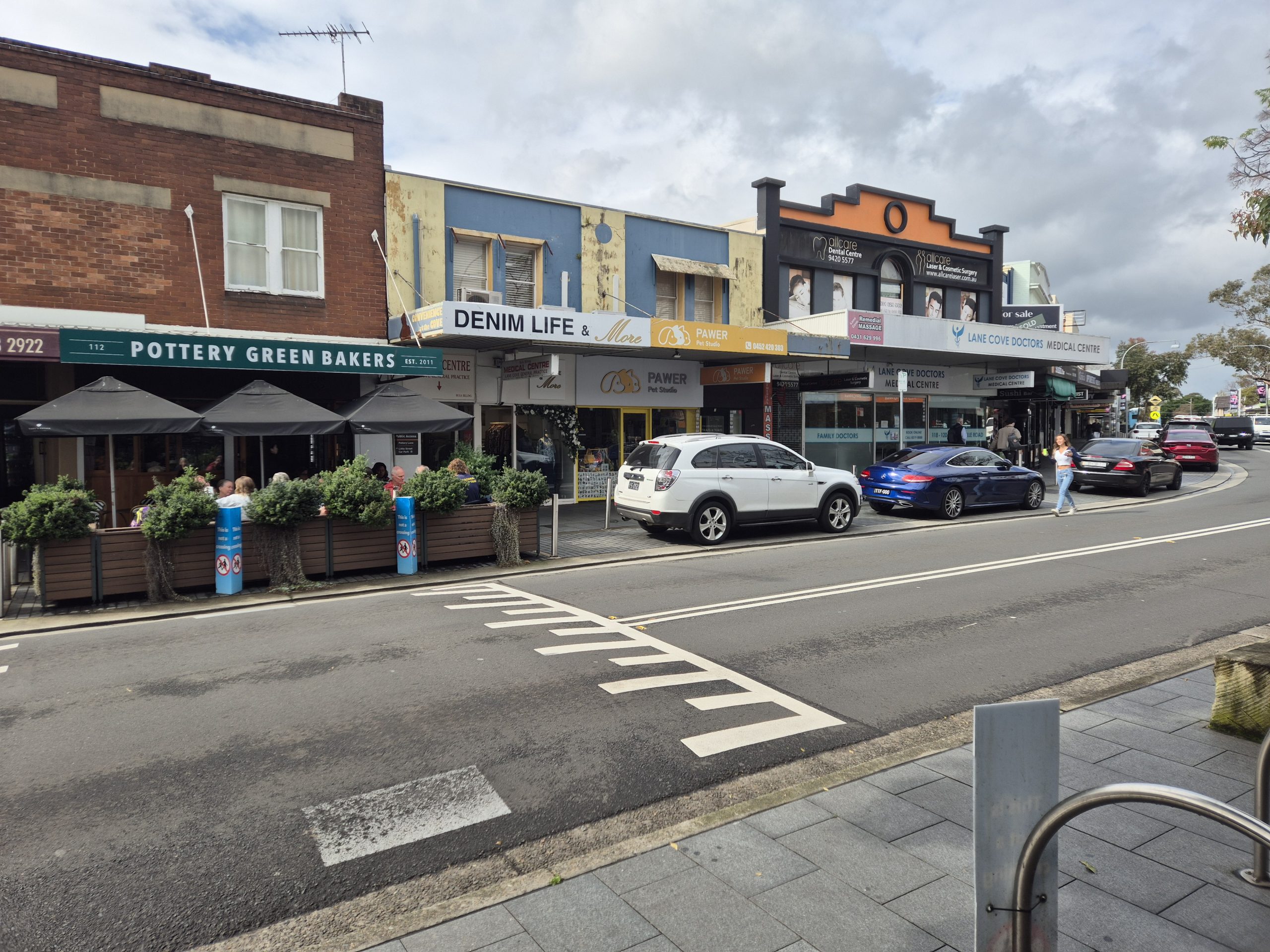
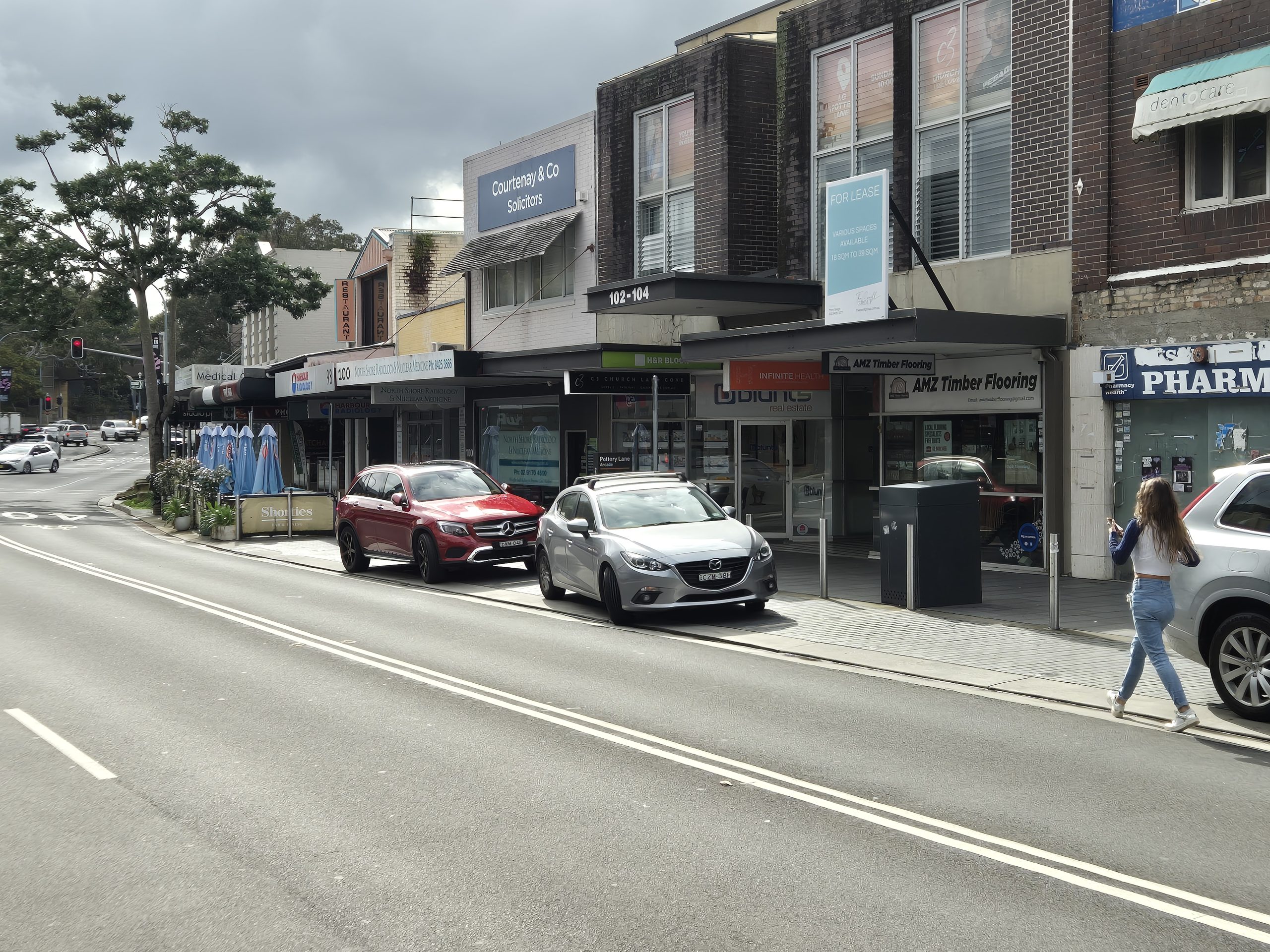
Lane Cove’s shopping strips along Longueville Road, Burns Bay Road and the Rosenthal Avenue precinct are lined with awnings sheltering the footpath outside cafes, retailers and offices. When one of those awnings is found to be corroded, loose or otherwise unsafe, Council has the power to issue a compliance notice requiring the owner to repair it, and getting that notice can feel sudden if you don’t know what happens next.
What a council order on your awning actually means
An awning over a public footpath sits partly on council land, which is why Lane Cove Council can act on it directly rather than leaving it entirely to the property owner. Orders are usually triggered by a routine inspection, a storm damage report, or a complaint from a member of the public, and they’re issued under Council’s general compliance and building powers. The notice will specify what’s wrong, what needs to be done, and a deadline. Ignoring it doesn’t make the issue go away: unresolved orders can escalate to fines or further enforcement action, and in the meantime an unsafe awning over a public footpath is a genuine liability if it fails.
Lane Cove Council’s requirements for footpath awnings
Awnings projecting over Council land fall under Lane Cove’s Development Control Plan and the Roads and Footpaths approval process, which covers structures occupying the road reserve. In practice this means Council expects any repaired or replacement awning to be professionally engineered and, where structural work is involved, backed by a certified design. For heritage shopfronts, or buildings within a conservation area, Council will also want the repair to keep the original character of the awning intact rather than swap it for a mismatched replacement. If you’re unsure whether your building falls within a heritage area, it’s worth checking with Council’s Planning Controls team before starting work.
Steps to take once you’ve received a notice
Start by reading the notice carefully for the exact deadline and the specific defect Council has identified, since responding to the wrong issue wastes time you may not have. From there:
- Arrange an inspection from a qualified awning contractor who can assess the structure against AS 1170.2 wind loading requirements, not just patch the visible problem.
- Get the repair scope certified in writing, particularly for anything involving tie rods, brackets or the structural frame.
- Use corrosion-resistant materials for any replacement components, hot-dip galvanised steel is the standard for footpath awning frames given constant weather exposure.
- Keep photographic records and paperwork from the repair, since Council will typically want evidence the work has been completed before closing out the order.
- Contact Council directly if you need more time. Reasonable extensions are usually easier to arrange before a deadline passes than after.
Why acting quickly matters
A council order isn’t really about paperwork, it’s a signal that the awning has already been assessed as a risk to people walking underneath it. Beyond the compliance side, an awning failure over a public footpath carries real safety and liability exposure for the property owner, and most insurers will ask hard questions about maintenance history if something does go wrong. Addressing the notice properly the first time, rather than doing the minimum to get Council off your back, is usually the cheaper option in the long run too, since a half-fixed awning tends to generate a second notice down the track.
If you’ve received a compliance notice for a shop awning in Lane Cove, Shop Awning Repairs Sydney can inspect the structure, provide certified repair recommendations, and carry out the work to a standard that satisfies Council. Get in touch to arrange an inspection.
Sources and further reading
Related Reading
Or browse our full range of awning services, from repairs to new installations.


