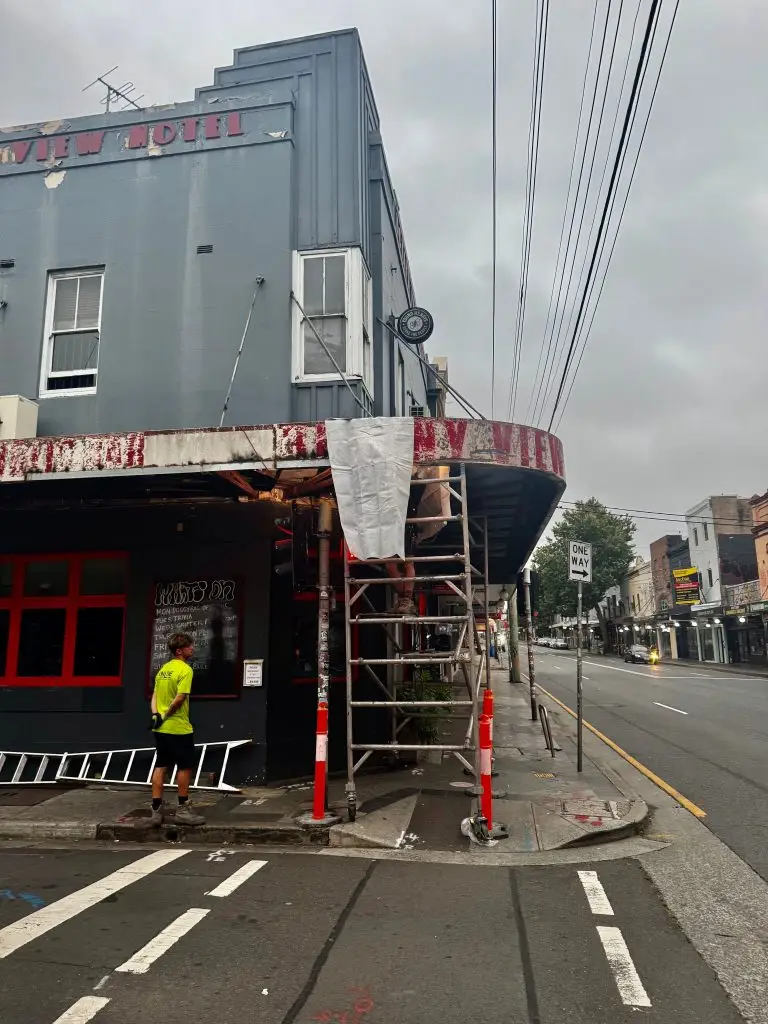
CBD Awnings: Why They Matter, and the Challenges Businesses Face

    CBDs across Australia including Sydney, Melbourne and Brisbane are undergoing major structural change. Hybrid work, fluctuating foot traffic, aging building stock and rising competition from fringe precincts are reshaping how businesses operate in city centres. These same forces directly affect the design, maintenance and compliance of shopfront awnings. CBD retail is recovering, vacancy rates are falling and demand for retail space is rising again, but conditions remain challenging, with insolvencies increasing and rents still volatile. That makes awnings more important than ever: they attract customers, protect pedestrians and strengthen a business’s visual identity. Yet installing or maintaining an awning in a CBD is rarely straightforward, which is exactly why specialist commercial awning repairs are in growing demand. Why Awnings Are Essential in CBDs Pedestrian comfort: CBDs rely heavily on walkability, and awnings provide shade, shelter and a more pleasant street-level experience. Brand visibility: In dense retail corridors, awnings help businesses stand out. Weather protection: They shield entrances from rain and sun, reducing slip hazards and improving accessibility. Urban character: Many CBDs have heritage streetscapes where awnings are part of the architectural identity. But these benefits come with a list of challenges, and each one shapes how commercial awning repairs need to be planned and carried out. Key Challenges of CBD Awnings Aging Building Stock and Structural Risk Many CBD buildings are decades old, some more than a century. Aging real estate is a major issue facing CBDs globally, and older façades often weren’t designed to carry modern awning loads. In practice this means: Fixing points may be deteriorated or unsafe Structural upgrades may be required before installation Engineers must assess load paths, corrosion and façade integrity Hidden defects, rusted steel, rotten timber, cracked masonry can delay projects All of this makes awning engineering certification, and the commercial awning repairs that follow, more complex than a typical suburban job. Compliance, Permits and Council Regulations CBDs have stricter rules than suburban areas, driven by: High pedestrian volumes Heritage conservation zones Narrow footpaths Public liability risks Streetscape uniformity requirements As a result, businesses often need development applications (DAs), structural engineering certifications, heritage impact statements, public domain approvals, and traffic or pedestrian management plans during installation. Requirements vary by council, the City of Sydney, for example, publishes its own controls and each approval can add time to a project timeline. Foot Traffic and Installation Constraints CBDs experience fluctuating but often heavy foot traffic, and cities like Sydney continue to see inconsistent visitor numbers due to hybrid work patterns. That creates logistical challenges: Installations and repairs may only be allowed at night Traffic control may be required Hoarding or scaffolding must meet strict safety standards Material deliveries can be restricted to certain hours Economic Pressures on Retailers CBD retailers were among the hardest hit during the pandemic, as foot traffic collapsed and vacancies rose. Although demand is recovering, many businesses still face financial pressure, and that shapes their awning decisions: Owners may delay maintenance, increasing long-term risk Cheaper materials may be chosen, reducing lifespan Some businesses inherit old, unsafe awnings from previous tenants Insolvency risk makes long-term investment harder An awning becomes both a necessity and a financial burden which is why cost-effective, well-timed commercial awning repairs often make more sense than full replacement. Heritage Restrictions Many CBDs, especially Sydney and Melbourne, contain heritage-listed buildings or conservation areas. Heritage controls may dictate: Materials (e.g. canvas vs. vinyl) Colours Shapes and profiles Fixing methods, including tie-rod replacement Whether signage can be added Weather Exposure and Wind Loads Tall buildings and narrow streets turn CBDs into wind tunnels, so awnings must withstand: High wind uplift Sudden gusts Heavy rain pooling UV exposure Engineering requirements are therefore more stringent than in suburban areas. Coordination With Other Infrastructure CBD shopfronts often sit beneath a crowded mix of street furniture and services, including: Street trees Street lighting CCTV Tram or bus wires Signage poles Public art installations Awning replacement and repair work must be designed around these elements, often requiring additional approvals or redesigns. Conclusion: CBD Awnings Are Essential and Worth Doing Properly Awnings in CBDs are far more than decorative additions. They’re part of the public realm, the retail economy and the safety infrastructure of busy city streets. But the combination of aging buildings, regulatory complexity, economic pressure and logistical constraints makes CBD awning work uniquely challenging. For business owners, the key is to plan early, engage qualified engineers, and understand the regulatory landscape before committing to a design or installation. If your shopfront awning needs assessment, certification or repair, our team specialises in commercial awning repairs across Sydney’s CBD and beyond. Contact Shop Awning Repairs Sydney to discuss your site.      

Sydney Shop Awning Experts

Structural Certification, Inspection of Awnings, Awning Rectification Works, Installation of New Awnings & Removal of Awnings.

Shop Awning Repairs T/A Inline Building and Construction Management Services Pty Ltd.
Building License Number 196494C