
Awning Maintenance: The Ultimate Guide
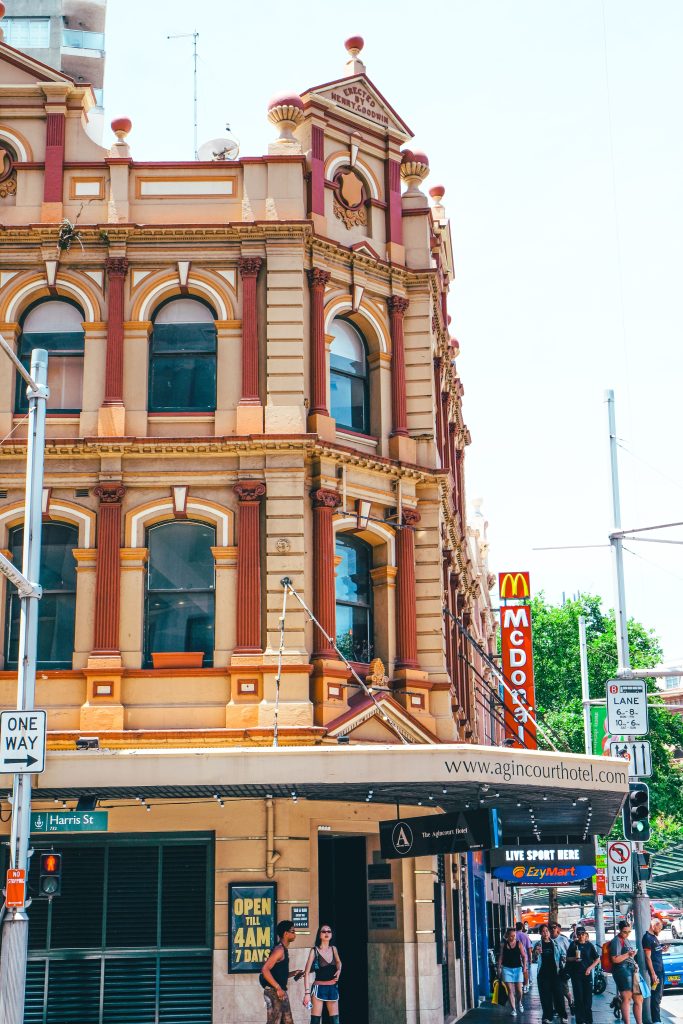
Awning Maintenance: The Ultimate Guide Awnings are structural assets exposed to continuous environmental load: UV radiation, wind loading, salt air and moisture cycling. Left unmanaged, these factors accelerate fabric degradation, frame corrosion and hardware failure. The following covers the technical maintenance requirements across every component of a retail, commercial or heritage awning system. Frame and Structural Components Inspect metal framing for corrosion, particularly at weld points and fixings, given accelerated corrosion rates in coastal and salt-air environments. Check support arms and joints for fatigue cracking or deformation under load. Inspect roof components, sheeting, capping and roof-to-frame fixings, for corrosion, denting or water ingress at laps and penetrations. Verify tie rods for correct tension, thread wear and connection-point integrity, replacing where corrosion or elongation has reduced load capacity. Confirm brackets and anchor points into the building facade remain within tension and corrosion tolerances. Mechanical and Hardware Lubricate pivot points, hinges and retraction mechanisms with dry silicone spray on an annual cycle. Inspect springs, cables and pulley systems on retractable units for tension loss or wear. On motorised systems, check for motor noise, alignment drift or slow actuation; avoid direct pressure-washing of motor housings. Weather and Environmental Protocols Retract or secure awnings ahead of forecast high wind or storm loading to prevent structural overload. Reopen post-rain to allow full drying. Clear debris and standing water from integrated drainage channels. Manage adjacent vegetation to prevent abrasive or chemical contact with fabric and frame. Fabric and Cover Wash fabric surfaces with mild detergent and water; use diluted non-chlorine bleach for mould or staining. Avoid high-pressure washing directly on seams or stitching. Inspect for UV degradation, fraying, and tear propagation at stress points. Ensure fabric is fully dry before retraction to prevent mildew formation. Cleaning Remove salt deposition, particulate grime and biological staining on a scheduled basis, at higher frequency in coastal or high-traffic commercial zones. Maintain signage and branding legibility as part of routine cleaning. Compliance and Certification Awnings over public footpaths require periodic structural certification by a National Engineering Register (NER) registered engineer, per council requirements. Eye bolts and cantilevered support systems require proof-load testing and certified documentation. Heritage-listed structures require council or conservation approval prior to component replacement or structural alteration. Inspection Schedule Conduct visual checks quarterly. Schedule full professional structural and mechanical inspection annually as a minimum, increasing frequency for commercial and heritage installations, and immediately following storm events or impact damage. Contact Shop Awning Repairs Sydney for inspection, certification or scheduled maintenance.


