
Awning Maintenance: The Ultimate Guide
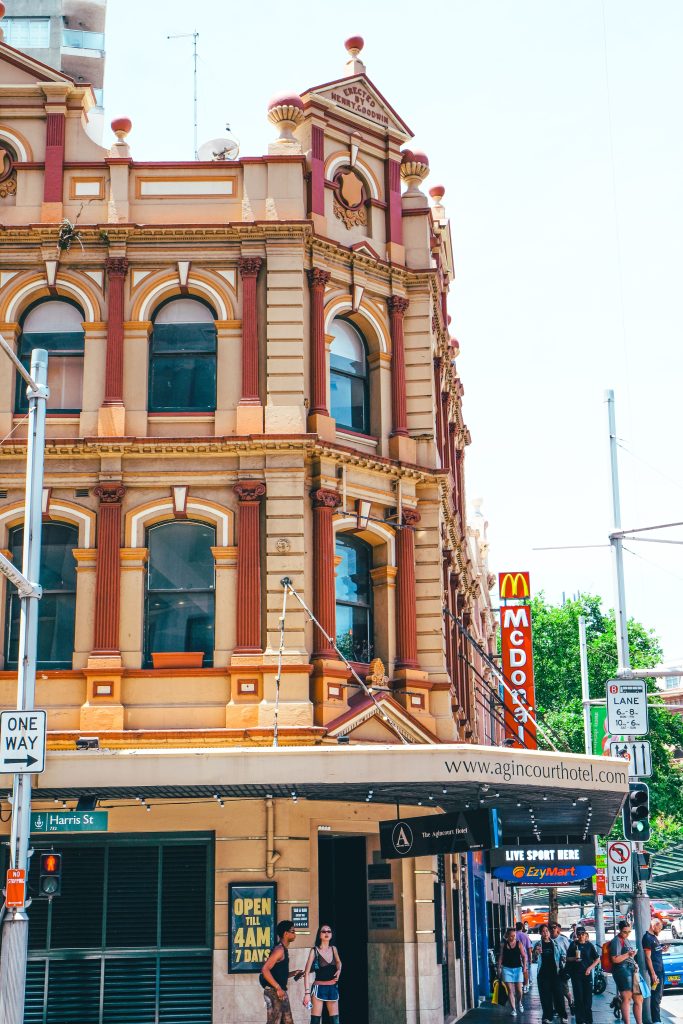
Awnings are structural assets exposed to continuous environmental load: UV radiation, wind loading, salt air and moisture cycling. Left unmanaged, these factors accelerate fabric degradation, frame corrosion and hardware failure. The following covers the technical maintenance requirements across every component of a retail, commercial or heritage awning system, plus the inspection frequency that keeps each one compliant and insurable.
Frame and Structural Components
The frame carries the entire wind and dead load of the awning, so it’s the first thing to check and the most expensive to neglect. Inspect metal framing for corrosion, particularly at weld points and fixings, where accelerated corrosion is common in coastal and salt-air environments. Check support arms and joints for fatigue cracking or deformation under load, especially after storm events. Inspect roof components, sheeting, capping and roof-to-frame fixings for corrosion, denting or water ingress at laps and penetrations. Verify tie rods for correct tension, thread wear and connection-point integrity, replacing where corrosion or elongation has reduced load capacity. Confirm brackets and anchor points into the building facade remain within tension and corrosion tolerances, since a failing anchor point is a public liability risk, not just a maintenance item.
Warning signs that need immediate attention
- Rust bleeding through paint or powder coat at welds and fixing points
- Visible sag, twist or misalignment in the frame under normal load
- Tie rods that have gone slack since the last inspection
- Cracking or movement in the render or brickwork around anchor points
Mechanical and Hardware
Lubricate pivot points, hinges and retraction mechanisms with dry silicone spray on an annual cycle; avoid oil-based lubricants, which attract grit and grime. Inspect springs, cables and pulley systems on retractable units for tension loss or wear, and replace before they fail rather than after. On motorised systems, check for motor noise, alignment drift or slow actuation; avoid direct pressure-washing of motor housings and control boxes, since water ingress is one of the most common causes of premature motor failure.
Weather and Environmental Protocols
Retract or secure retractable awnings ahead of forecast high wind or storm loading to prevent structural overload; fixed awnings should be checked for drainage and debris clearance before storm season, not during it. Reopen retractable awnings after rain to allow full drying rather than leaving fabric folded wet, which accelerates mildew and fabric breakdown. Clear debris and standing water from integrated drainage channels and gutters, particularly under trees or near construction sites. Manage adjacent vegetation to prevent abrasive or chemical contact with fabric and frame, and keep an eye on nearby signage or scaffolding that could impact your structure in high wind.
Fabric and Cover
Wash fabric surfaces with mild detergent and water; use diluted non-chlorine bleach for mould or staining, and always test on an inconspicuous area first. Avoid high-pressure washing directly on seams or stitching, which can force water into the weave and weaken the join. Inspect for UV degradation, fraying, and tear propagation at stress points, particularly around eyelets and fixing points where movement concentrates wear. Ensure fabric is fully dry before retraction to prevent mildew formation, which can permanently stain and weaken canvas and acrylic fabrics alike.
When to replace rather than repair
Fabric that’s lost significant strength to UV breakdown, has widespread mildew staining that cleaning won’t lift, or has tears extending from more than one fixing point usually isn’t worth patching. Replacing the cover on a sound frame is far cheaper than a full rebuild, and most Sydney awning fabrics are rated for roughly 8-12 years before UV degradation makes replacement the better economic call.
Cleaning
Remove salt deposition, particulate grime and biological staining on a scheduled basis, at higher frequency in coastal or high-traffic commercial zones where diesel soot and salt spray build up faster than inland sites. Maintain signage and branding legibility as part of routine cleaning — for retail and hospitality shopfronts, a clean, legible awning is part of your street presence, not just maintenance.
Compliance and Certification
Awnings over public footpaths require periodic structural certification by a National Engineering Register (NER) registered engineer, per council requirements, and most Sydney councils expect this on a set cycle rather than only on complaint. Eye bolts and cantilevered support systems require proof-load testing and certified documentation, which should be kept on file and produced on request. Heritage-listed structures require council or conservation approval prior to component replacement or structural alteration, even for like-for-like repairs.
Documents to keep on file
- Structural certification from your NER-registered engineer, dated and renewed on schedule
- Proof-load test results for eye bolts and cantilevered supports
- Council approval or heritage sign-off for any structural change
- A maintenance log showing inspection dates and any repairs carried out
Councils increasingly ask for this paperwork on request, and having it ready avoids delays if a compliance notice is issued.
Inspection Schedule
A single annual inspection isn’t enough for a structure exposed to Sydney’s weather year-round. The schedule below is what we recommend as a baseline, increasing frequency for commercial, heritage or coastal installations.
| Monthly (retractable units) | Retraction/extension operation, visible fabric condition, drainage clear |
| Quarterly | Visual check of frame, fixings, tie rods and fabric for wear or damage |
| Annually (minimum) | Full professional structural and mechanical inspection, including tension and corrosion checks |
| Immediately after storms or impact | Full inspection before returning the awning to normal use |
Contact Shop Awning Repairs Sydney for inspection, certification or scheduled maintenance.
Related Reading
- Repair or Replace? Assessing Awning Damage
- Asbestos in Shop Awnings: What Sydney Property Owners Need to Know
- Heavy Vehicle Hit Your Awning?
- Preparing Your Shelter Awnings for Storm Season in Sydney
Or see our complete awning repair, installation and maintenance services for the full picture.


