
Most shop awnings look fine from the footpath right up until something goes wrong. The parts that actually hold an awning up, such as tie rods, eye bolts and the fixings into the wall, are usually hidden, rusting quietly inside the structure. A professional awning inspection is how you find those problems before a council officer, an insurer or a storm finds them for you.
This guide explains when you need an awning inspection in Sydney, what we check, how load testing works, what a certification report includes and what happens if problems are found.
When Do You Need an Awning Inspection?
In NSW, the owner of a building is responsible for keeping an awning over a public footpath in a safe condition. Under Section 142 of the Roads Act 1993, whoever has control of a structure over a public road must keep it in a satisfactory state of repair, and the footpath counts as part of the road. An inspection is the simplest way to show you are meeting that duty. The most common reasons people call us are:
- A letter or notice from council. Councils such as Waverley have been writing to retail landlords asking for structural inspections. If you have received one, read our guide to the Waverley awning inspection letter, and if it is a formal order, our guide to council awning safety orders.
- Buying, selling or leasing a property. A report tells a buyer or tenant exactly what condition the awning is in and avoids surprises after settlement.
- Strata and building management. Awnings are usually common property, so owners corporations need a clear record of their condition. See our strata awning compliance guide.
- Insurance. Insurers increasingly ask for evidence that an awning has been maintained, especially after a claim.
- After a storm or vehicle strike. Any impact or severe weather event should be followed by a full inspection before the awning goes back into normal use. Our emergency awning repairs guide explains what to do first.
- Warning signs. Rust stains running down the wall, a sagging front edge, slack tie rods, cracked render around fixings or water dripping long after rain all mean it is time for a closer look.
What We Check During an Inspection
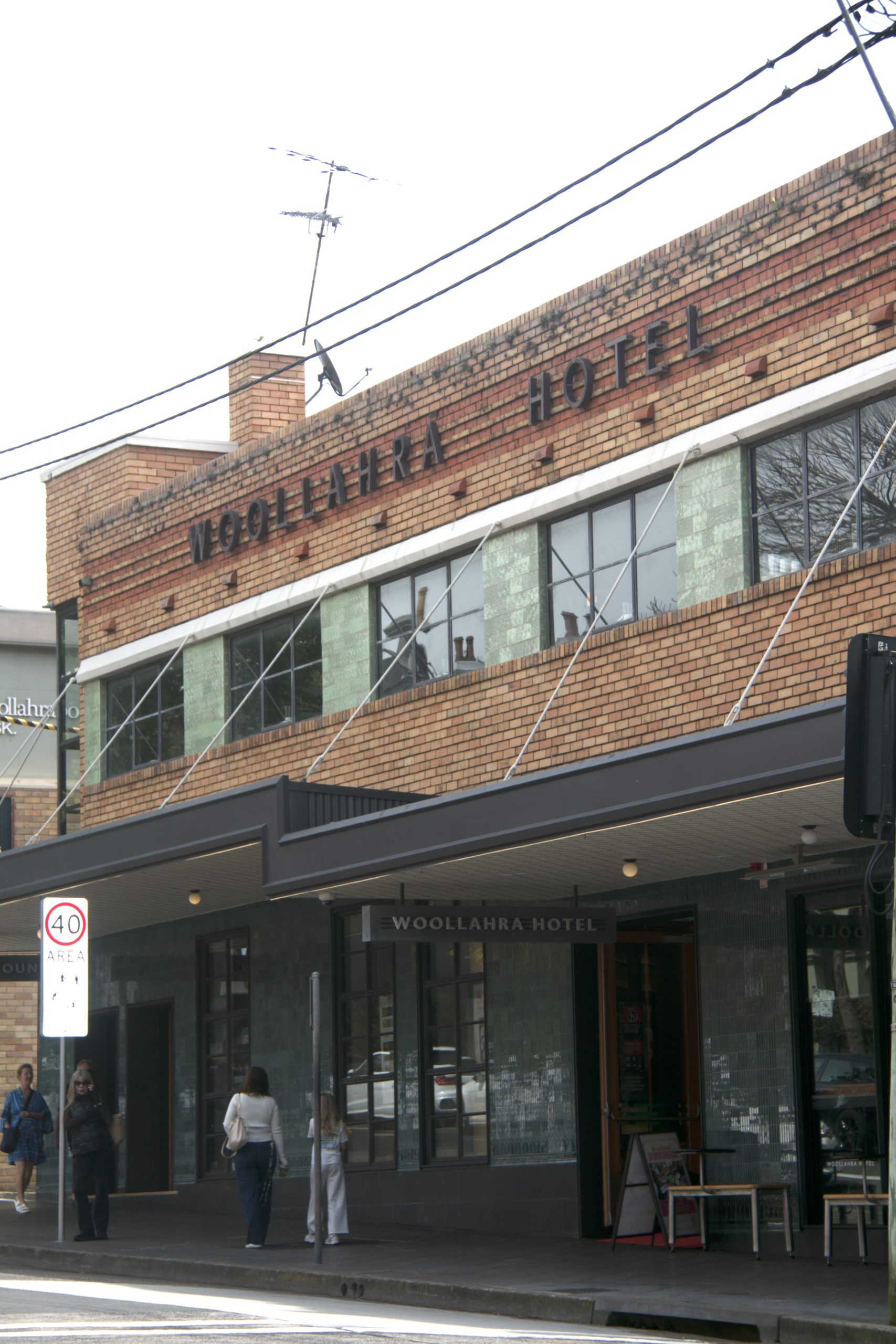
A proper inspection covers the whole structure, not just what can be seen from street level. On a typical Sydney shop awning we check:
- Tie rods, eye bolts and turnbuckles for corrosion, wear and correct tension. These are the most common failure point on older awnings, which we cover in detail in our article on rusted tie rods.
- Wall anchors and fixings where the awning connects to the building, including the condition of the brickwork or concrete around them.
- The frame, brackets and support arms for rust, cracking, distortion and movement.
- Roof sheeting, box gutters, flashings and downpipes. Trapped water is one of the main causes of hidden corrosion.
- Soffit and ceiling linings for staining, sagging and loose panels, which often point to a leak above.
- Fascias, signage and lighting, especially where signs and light boxes have been added to an awning that was never designed to carry them.
- Possible asbestos in older sheeting and linings, so it can be handled safely before any work starts. Read more in our guide to asbestos in shop awnings.
Load Testing Explained
Some problems cannot be judged by eye. A wall anchor can look solid from the outside while the masonry behind it has weakened over decades. Where an engineer requires it, the anchors and eye bolts are proof load tested: a calibrated tester pulls on the fixing and measures the force it holds, so you know whether it can carry the load it was designed for.
Load testing is quick, causes no damage to a sound fixing and gives a clear, measured result that councils and engineers can rely on.
What an Awning Certification Report Includes
At the end of the inspection you receive a written report. Depending on what your council, insurer or strata committee needs, it will usually include:
- A description of the awning, its construction and its location
- Photos of each component that was checked
- The condition of each part, with any defects clearly identified
- Load test results, where testing was carried out
- Recommended repairs, ranked by urgency
- Sign off from a licensed structural engineer where required, confirming the awning is structurally adequate once any repairs are complete
You can pass the report straight to council, your insurer, your property manager or your strata committee.
How Often Should a Shop Awning Be Inspected?
As a baseline, we recommend a full professional inspection at least once a year, with a quick visual check every few months. Inspect more often if the awning is:
- Close to the coast, where salt air speeds up corrosion
- On an older or heritage building with original fixings
- Over a busy footpath, bus route or loading zone where vehicle strikes are more likely
- Carrying signage, light boxes or other added loads
Always arrange an inspection straight after a storm or any impact. Our awning maintenance guide has a full maintenance schedule.
What Happens If Problems Are Found?
Most inspections find something, and most of what we find can be repaired rather than replaced. Typical repairs include new tie rods and eye bolts, re-anchoring into sound masonry, replacing corroded brackets, new gutters and flashings, and replacing soffit linings. Our guide on whether to repair or replace an awning explains how that decision is made, and our street awning repairs guide covers who pays and what drives the cost.
See our awning repairs page for the problems we fix most often and how a repair job works.
If something is unsafe, we can make it safe on the day, then complete the full repair and provide the paperwork council needs to close the matter.
Frequently Asked Questions
Is an awning inspection required by law in NSW?
There is no single rule saying every awning must be inspected on a set date, but the owner must keep an awning over a public footpath in good repair, and councils can require an inspection or repairs where there is a risk to the public. Regular inspections are the easiest way to show you have met that duty.
How long does an awning inspection take?
Most single shopfront awnings are inspected in a few hours on site. Larger or corner awnings, or jobs that need load testing, can take longer. The written report follows after the inspection.
Do I need a structural engineer?
For council matters, insurance and strata records, a report signed off by a licensed structural engineer is usually what is asked for. We arrange this as part of the inspection where it is required.
Can you do the repairs as well?
Yes. We are a licensed NSW builder and registered building practitioner with more than 25 years of experience in commercial and heritage awnings, so we can inspect, repair and certify the awning without you needing to coordinate several trades.
Book an Awning Inspection
If you have received a council letter, are buying or leasing a property, or simply have not had your awning looked at in a while, we can help. Every job starts with a free on site inspection and a clear written quote. Contact us to book a time, or see our full range of awning services.