
Awnings over footpaths and common property carry ongoing compliance obligations that sit with the owners corporation or commercial building owner, not just the original installer. These obligations cover structural certification, load testing, council approval and duty of care, and they apply for the life of the awning, not only at installation.
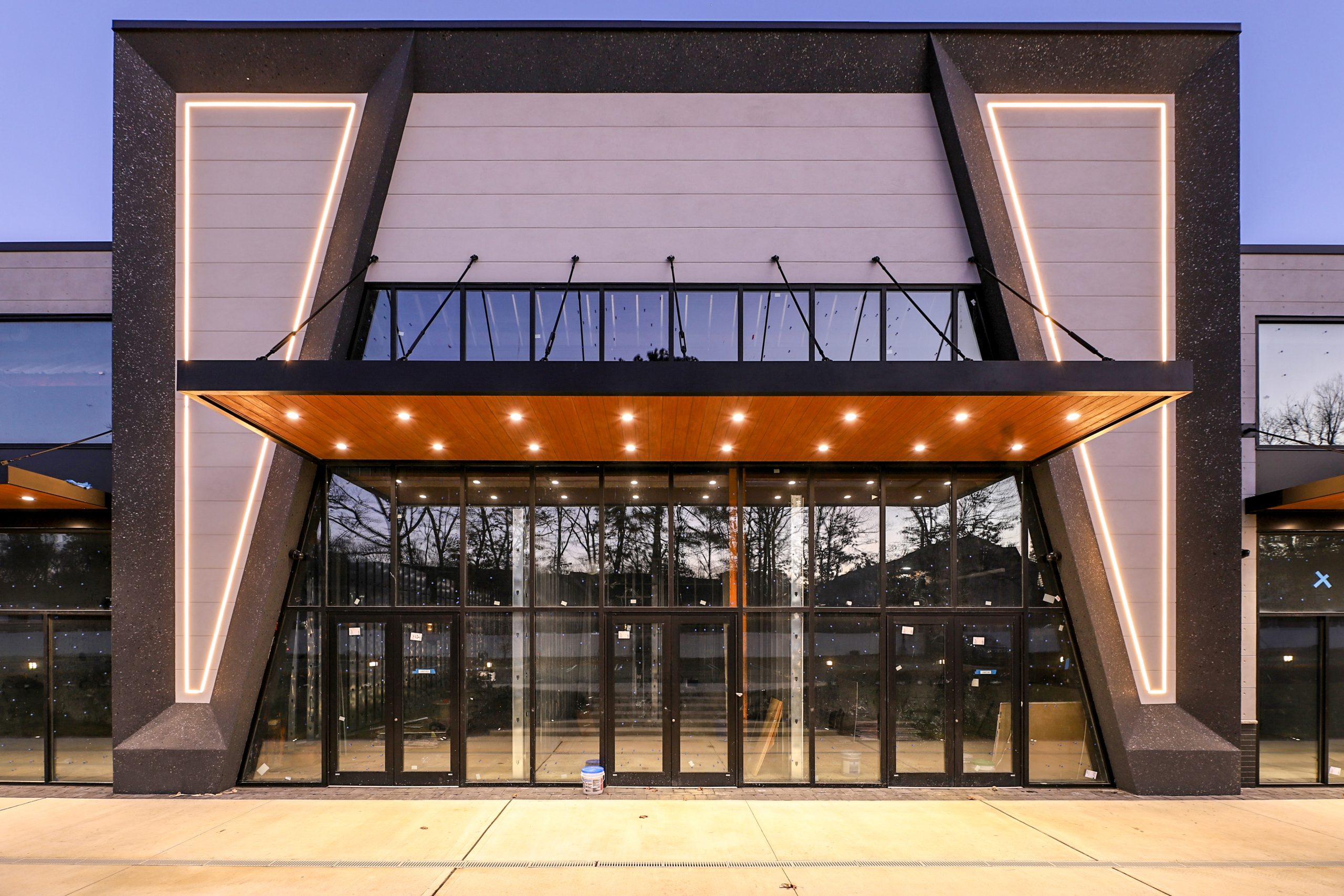
Structural Certification
Most Sydney councils require awnings projecting over public footpaths to hold current structural certification confirming the frame, fixings and footings meet load requirements. Certification must be issued or verified by a suitably qualified structural engineer, and councils can request evidence of certification at any time, particularly after a complaint, an incident, or a development application on the site.

Eye Bolt and Cantilevered Load Testing
Where an awning is supported by eye bolts or cantilevered fixings rather than posts, proof-load testing is required to confirm the fixings still carry the certified load. Testing intervals are typically set by the original certification or council condition, commonly every one to five years. A failed eye bolt is a compliance issue, not a maintenance item, and use of the awning may need to be restricted until it is rectified.
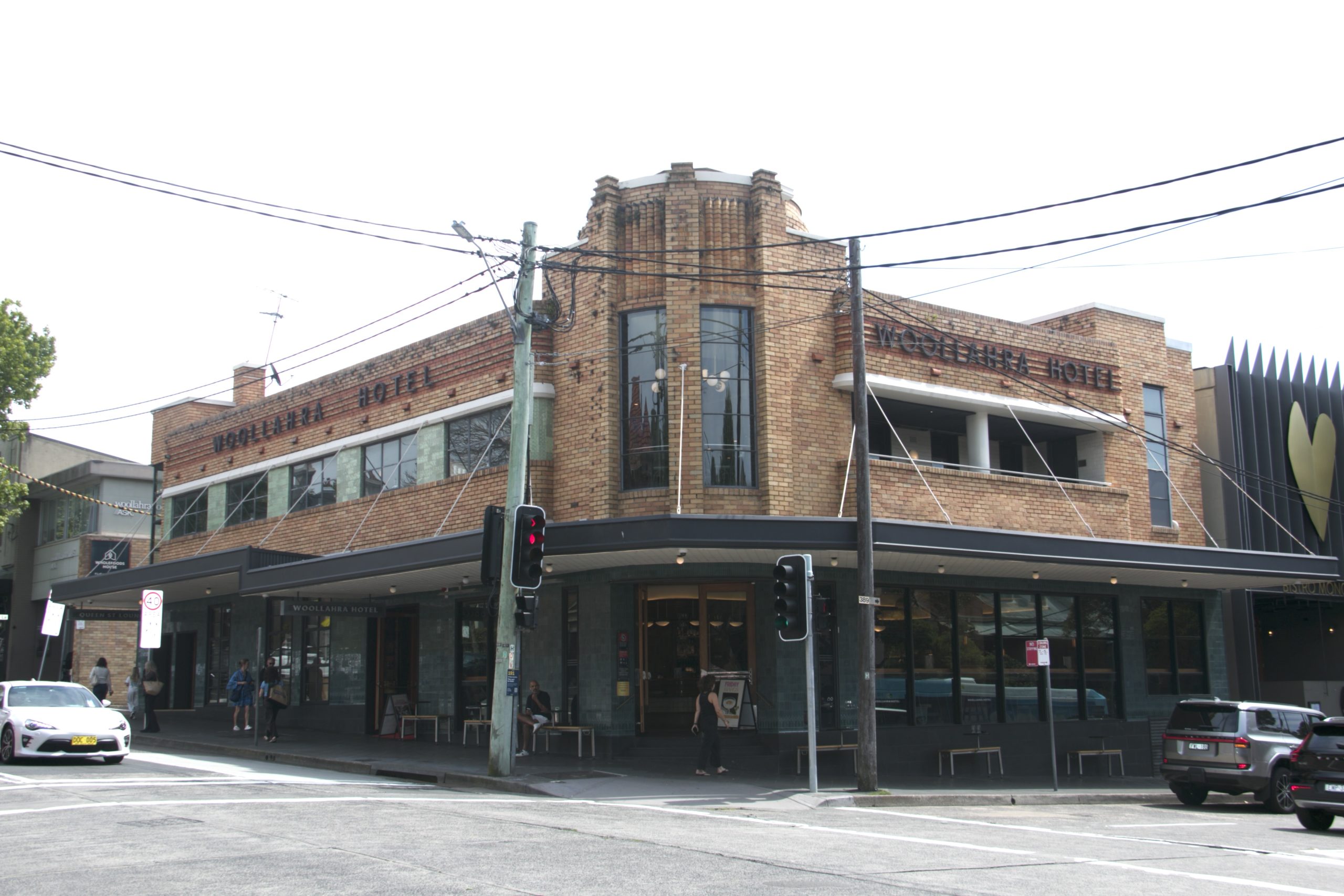
Duty of Care and Public Liability
An owner’s corporation or commercial owner has a duty of care to pedestrians and tenants under common property. A falling panel, corroded bracket or collapsed frame exposes the corporation to negligence claims if maintenance and certification records cannot demonstrate the awning was kept in a safe condition. Current certification and inspection records are the primary evidence in any such claim.
Council Approval for Alterations
Re-roofing, re-covering, resizing or replacing an awning generally requires council approval, and heritage-listed buildings require conservation approval in addition to standard council sign-off. Works carried out without the correct approval can be subject to a rectification order regardless of build quality.
Engaging Licensed Contractors
Structural work on awnings should only be carried out by a licensed builder holding the appropriate NSW contractor licence, with Class 2 Building Practitioner registration where the work falls under the Design and Building Practitioners scheme. Strata managers and building owners should request current licence numbers and a certificate of currency for public liability insurance before engaging any contractor.
Recommended Inspection Cadence
A visual inspection at least annually, a full structural inspection aligned with the certification renewal date, and an immediate inspection after any storm, impact or reported damage. Inspection records should be kept with the strata roll or building compliance file, not just with the contractor.
Compliance is an ongoing obligation, not a one-off approval at installation. Keeping certification, load testing and inspection records current is what protects the corporation or owner if the awning is ever questioned by council or an insurer.
Contact Shop Awning Repairs Sydney for structural certification, load testing and compliance inspections on strata and commercial awnings.
Who Is Responsible: Owners Corporation, Lot Owner or Tenant?
In a strata building, an awning attached to the outside of the building is usually common property. Under section 106 of the Strata Schemes Management Act 2015, the owners corporation must maintain and repair common property, so the cost and the compliance obligations normally sit with the scheme rather than an individual lot owner.
There are exceptions. Some by-laws make a lot owner responsible for an awning that only serves their shop, and commercial leases often pass maintenance costs to the tenant. Check the strata plan, the by-laws and any leases before work is approved, so everyone knows who is paying and who signs off. For buildings outside strata, the building owner is generally responsible for an awning over a public footpath.
Common Problems We Find on Strata and Commercial Awnings
- Rusted tie rods and eye bolts hidden behind paint or flashings. See why tie rods fail.
- Ponding water and leaks from blocked gutters or sagging sheeting, which speed up corrosion. See why awnings leak.
- Extra loads that were never engineered for, such as heavy signage, lighting or air conditioning units added by tenants over the years.
- Past alterations without approval, where an awning has been extended, cut back or re-roofed without council consent.
- Mismatched repairs between neighbouring shops, where each tenant has patched their own section differently.
What to Keep on File
A simple awning compliance register makes renewals, insurance claims and council requests far easier. Keep:
- Current structural certification and its renewal date
- Engineer reports and load test results for eye bolts and cantilevered fixings
- Invoices and photos for every repair, with the contractor’s licence details
- Council approvals and any correspondence or notices
- Annual inspection notes, including photos of the same angles each year
Getting Awning Works Approved by the Committee
Committees make faster decisions when they have the right information. Start with an inspection report and a written scope of works, so owners can see what is urgent and what can be planned. Larger works are usually funded from the capital works fund or, where that falls short, a special levy, and some alterations to common property need a resolution at a general meeting. If a council notice has already arrived, see our guide to council awning safety orders for the timeframes involved.
Frequently Asked Questions
Is a shop awning common property in a strata scheme?
Usually, yes. An awning fixed to the outside of the building is normally common property, which makes the owners corporation responsible for maintaining it. By-laws or leases can change who pays, so check them before approving work.
How often should a strata awning be inspected?
At least a visual inspection every year, a full structural inspection in line with the certification renewal date, and an immediate inspection after a storm, a vehicle strike or any visible movement.
Do we need council approval to repair a strata awning?
Like-for-like repairs usually do not need a new development approval. Re-roofing, resizing or replacing an awning generally does, and heritage buildings need extra care. Working over the footpath may also need a permit. See do you need council approval for a shop awning.
References and Further Reading
- Strata By-Laws | NSW Government
- Strata Schemes Management Act 2015: Section 108, Changes to Common Property
- Strata Schemes Management Act 2015: Section 106, Duty to Maintain and Repair
- Strata Repairs and Maintenance | NSW Government
- Awning Safety Program | Inner West Council
- Get Approval for Section 68 Activities | City of Sydney
- Building Classes and Roles of Professionals | NSW Government
Our street awning repairs for strata and commercial buildings include engineer certification for your records.
Related Reading
Or view the full list of awning services we offer, from routine maintenance to complete restorations.
For steel-frame and larger commercial installations specifically, see our commercial awnings page.