
Navigating Council Awning Safety Orders in Sydney: A Guide for Commercial Landlords
A guide for Sydney commercial landlords on council awning safety orders: the legal responsibilities under the Roads Act 1993, why safety orders get issued, and the compliance process to clear one.
Strata and Commercial Awning Compliance Guide
Strata and Commercial Awning Compliance Guide Awnings over footpaths and common property carry ongoing compliance obligations that sit with the owners corporation or commercial building owner, not just the original installer. These obligations cover structural certification, load testing, council approval and duty of care, and they apply for the life of the awning, not only at installation. A commercial awning with tie-rod supports outside a shopfront entrance — the kind of structure that needs current structural certification for footpath use. Structural Certification Most Sydney councils require awnings projecting over public footpaths to hold current structural certification confirming the frame, fixings and footings meet load requirements. Certification must be issued or verified by a suitably qualified structural engineer, and councils can request evidence of certification at any time, particularly after a complaint, an incident, or a development application on the site. A flat-panel awning on bracket supports fitted to a brick commercial building. Eye Bolt and Cantilevered Load Testing Where an awning is supported by eye bolts or cantilevered fixings rather than posts, proof-load testing is required to confirm the fixings still carry the certified load. Testing intervals are typically set by the original certification or council condition, commonly every one to five years. A failed eye bolt is a compliance issue, not a maintenance item, and use of the awning may need to be restricted until it is rectified. Duty of Care and Public Liability An owner’s corporation or commercial owner has a duty of care to pedestrians and tenants under common property. A falling panel, corroded bracket or collapsed frame exposes the corporation to negligence claims if maintenance and certification records cannot demonstrate the awning was kept in a safe condition. Current certification and inspection records are the primary evidence in any such claim. Pull-out load testing on an awning anchor bolt, confirming the fixing can safely carry its rated load. Council Approval for Alterations Re-roofing, re-covering, resizing or replacing an awning generally requires council approval, and heritage-listed buildings require conservation approval in addition to standard council sign-off. Works carried out without the correct approval can be subject to a rectification order regardless of build quality. Engaging Licensed Contractors Structural work on awnings should only be carried out by a licensed builder holding the appropriate NSW contractor licence, with Class 2 Building Practitioner registration where the work falls under the Design and Building Practitioners scheme. Strata managers and building owners should request current licence numbers and a certificate of currency for public liability insurance before engaging any contractor. Recommended Inspection Cadence A visual inspection at least annually, a full structural inspection aligned with the certification renewal date, and an immediate inspection after any storm, impact or reported damage. Inspection records should be kept with the strata roll or building compliance file, not just with the contractor. Compliance is an ongoing obligation, not a one-off approval at installation. Keeping certification, load testing and inspection records current is what protects the corporation or owner if the awning is ever questioned by council or an insurer. Contact Shop Awning Repairs Sydney for structural certification, load testing and compliance inspections on strata and commercial awnings. References and Further Reading Strata By-Laws | NSW Government Strata Schemes Management Act 2015 — Section 108, Changes to Common Property Strata Schemes Management Act 2015 — Section 106, Duty to Maintain and Repair Strata Repairs and Maintenance | NSW Government Awning Safety Program | Inner West Council Get Approval for Section 68 Activities | City of Sydney Building Classes and Roles of Professionals | NSW Government Related Reading Navigating Council Awning Safety Orders in Sydney: A Guide for Commercial Landlords Awning Maintenance: The Ultimate Guide Or view the full list of awning services we offer for the full range of repair, maintenance and installation work we handle.
Heavy Vehicle Hit Your Awning?
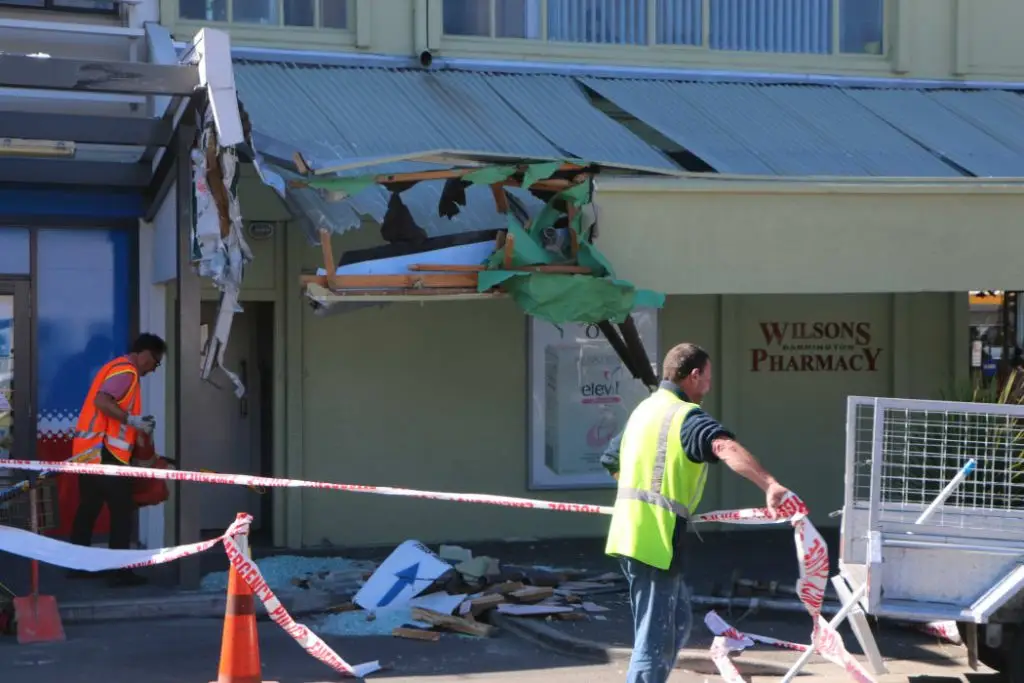
Heavy Vehicle Hit Your Awning? Here’s What to Do, From Impact to Repair Sydney’s busy retail strips see plenty of heavy vehicle traffic, delivery trucks, buses and reversing vans all sharing tight spaces with shopfronts. It doesn’t take much for one of them to clip or crash into an awning. When it happens, what you do in the hours and days after matters, for your safety, your legal position, and how quickly your shopfront gets back to normal. Here’s the step-by-step process, from the moment of impact through to a fully repaired and certified awning. Check for injuries and call 000 if needed. Safety comes first. If anyone is hurt, or fuel, debris or an unstable structure poses an immediate danger, call emergency services before doing anything else. Secure the area. A damaged awning can continue to sag, drop debris or collapse further. Cordon off the footpath beneath it, keep staff and customers clear, and don’t let anyone re-enter the area until it’s been assessed. Report the crash to police. Call the Police Assistance Line (131 444), or 000 if it’s urgent, particularly where there’s significant property damage causing a hazard, or the vehicle has left the scene without exchanging details. Document the damage thoroughly. Photograph and video the awning, the vehicle, and the surrounding area from multiple angles. Record the vehicle’s registration, the driver’s details and insurer, and take contact details from any witnesses. Notify your insurer. Lodge a claim as soon as possible. In most shopfront collision cases, the at-fault driver’s insurer is liable for the damage, but your own insurer can still help manage the claim and coordinate next steps. Arrange a structural engineer assessment. For awnings over public footpaths, NSW councils require sign-off from a National Engineering Register (NER) registered structural engineer confirming the structure is safe before it’s used again. Check council requirements. If the awning sits over public land or the building is heritage-listed, repairs or rebuilding may need council approval, a road permit, or a heritage compliance review before work begins. Get a written quote from a specialist. Engage an experienced awning repair contractor to inspect the damage and provide a full written quote, covering structural repair, re-cladding or replacement as needed. Complete repairs and obtain certification. Once repairs are carried out, the structural engineer certifies the completed work, satisfying council requirements and confirming the awning is safe to use. Reopen with confidence. With repairs finished and certification in hand, your shopfront is back in business, safe, compliant, and looking the part. A heavy vehicle strike is stressful, but the right process protects you, and getting a specialist involved early makes the whole thing move faster. Contact Shop Awning Repairs Sydney For emergency assistance. Related Reading Emergency Awning Repairs in Sydney: Fast Action for Storm, Wind, and Impact Damage Insurance Claim Support for Awning Damage: A Sydney Property Owner’s Guide Repair or Replace? Assessing Awning Damage Or browse everything we offer on our services page for the full range of repair, maintenance and installation work we handle. The Wilsons Pharmacy awning after a vehicle impact, with workers clearing debris behind hazard tape.
Shop Awnings
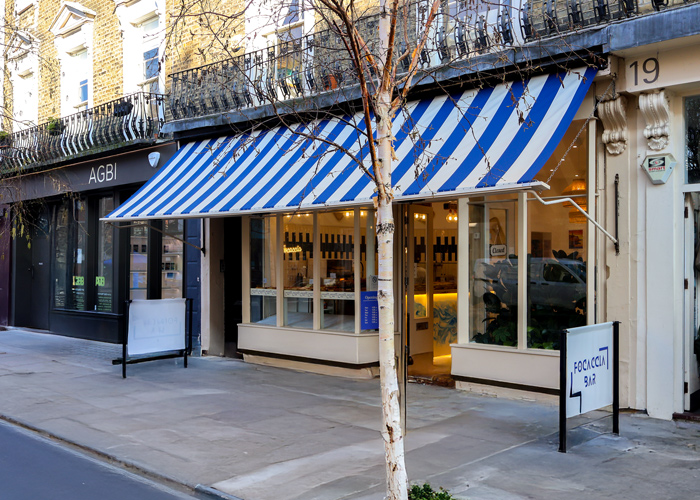
Shop Awnings A shop awning is one of the most practical investments a retail business or commercial building owner can make. Walk down any busy shopping strip and you’ll notice that the shopfronts doing the best business almost always have a well-maintained shop awning out front. It’s easy to dismiss a shop awning as a cosmetic detail, but for retail shops and commercial buildings, a good shop awning does far more than look nice, it protects, attracts, and pays for itself over time. Here’s why every retail storefront should have one. A white illuminated awning with recessed downlights over outdoor seating at Shuk restaurant. Protecting Your Storefront and Stock Sun exposure fades signage, warps timber fixtures, and can bleach the colour out of window displays within months. Rain and hail bring their own risks, from water pooling at entryways to damaged fabric on a poor-quality shop awning. A quality shop awning shields shopfronts, window displays, and merchandise from the elements, extending the life of everything from paint and signage to the products in your window. For any retail business, a durable shop awning is cheap insurance against weather damage. Keeping Customers Comfortable Retail is a business of foot traffic, and foot traffic slows down or speeds up based on comfort. A shop awning creates shade on hot Sydney days and shelter during sudden downpours, giving customers a reason to pause, browse, and linger rather than duck past a hot, glaring storefront. That extra minute of comfort under a shop awning often translates directly into a customer walking in the door. Cutting Energy Costs Direct sun on a glass storefront turns the inside of a shop into a greenhouse, forcing air conditioning to work harder. A well-positioned shop awning blocks direct sunlight from hitting windows and doors, reducing indoor heat gain and easing the load on cooling systems. Over a full Sydney summer, a shop awning can mean a noticeable dip in energy bills for retail shops and commercial buildings alike. Strengthening Your Brand with a Shop Awning A shop awning is prime real estate for your business name, logo, and colours. It’s visible from the street, day and night, and a well-branded shop awning gives a shopfront a finished, professional look that bare brick or glass simply can’t match. For commercial buildings with multiple tenancies, coordinated shop awnings also create a cohesive, well-kept streetscape that reflects well on every business inside. A fully restored curved black awning outside the Angel Hair salon shopfront. Extending Usable Space Cafes, restaurants, and retailers with outdoor seating or display areas rely on a shop awning to make that space usable year-round. Without cover, outdoor seating empties out the moment it rains or the sun gets too strong. With a shop awning in place, that space becomes an extension of the shop itself, adding capacity without adding square metreage. Protecting the Building Structure Beyond aesthetics, a shop awning helps protect entryways, doors, and window frames from prolonged weather exposure, reducing wear on seals, hinges, and paintwork. For commercial landlords, a well-maintained shop awning means fewer maintenance callouts and a longer lifespan for the building’s façade. The Bottom Line on Shop Awnings A shop awning isn’t just a shade sail with a logo on it. It protects stock and signage, keeps customers comfortable, lowers energy costs, reinforces your brand, and adds usable space to your business. For retail shops and commercial buildings alike, a shop awning is a small structure that does a lot of heavy lifting. If your shop awning is looking tired, sagging, or damaged, it’s worth getting it assessed rather than waiting for a bigger repair bill down the track. A well-maintained shop awning keeps paying for itself in comfort, protection, and street presence. Further reading: Commercial Awning Repairs Sydney – Archives Related Reading New Shop Awning Installation: A Step-by-Step Guide for Sydney Shop Awning Installation Cost in Sydney: 2026 Price Guide Awning Maintenance: The Ultimate Guide Or browse our full range of awning services for the full range of repair, maintenance and installation work we handle.
Retail Shop Awnings in Sydney’s Eastern Suburbs: Managing the Rust Problem
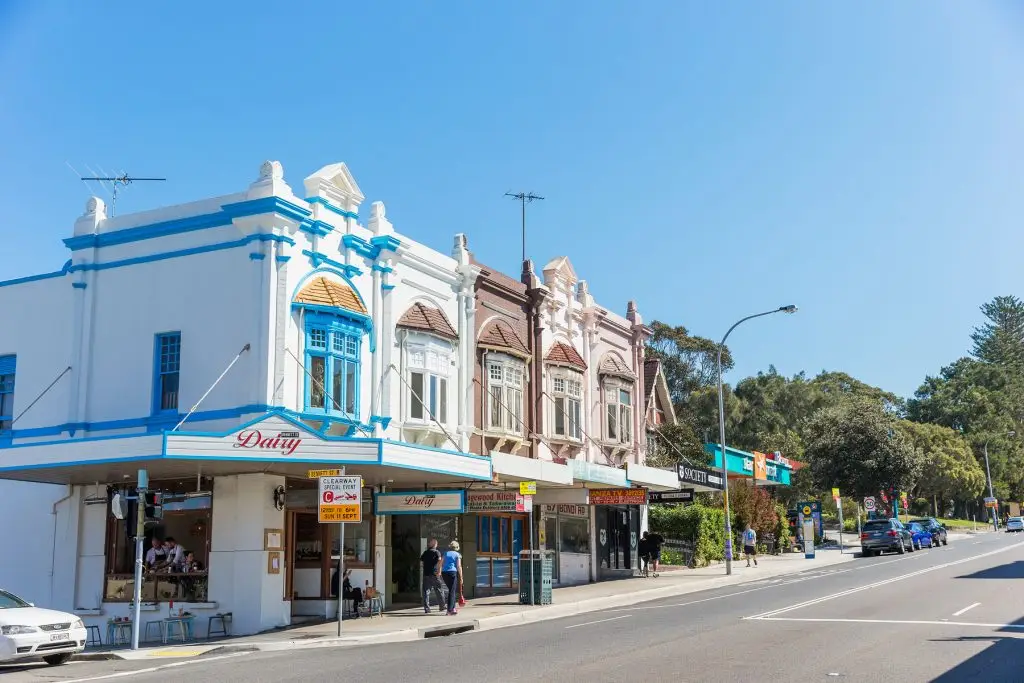
Retail Shop Awnings in Sydney’s Eastern Suburbs: Managing the Rust Problem From Oxford Street and Bondi Junction to Double Bay, Bondi and Coogee, the Eastern Suburbs run dense retail strips beneath shopfront awnings. These awnings are load-bearing structural assets that shade footpaths, carry signage and shelter pedestrians. What sets the Eastern Suburbs apart is the marine environment: salt-laden coastal air makes corrosion the dominant failure mode, and rust, more than any other defect, drives demand for awning repairs in the Eastern Suburbs. As shop awning repairs specialists, we see the same coastal corrosion pattern across the suburb’s retail strips. Why coastal awnings corrode faster Atmospheric corrosivity in Australia is classified under AS 4312. Coastal and surf-zone locations sit in the high to very high categories (broadly C3 to C5), well above inland suburbs. The driver is airborne chloride from sea spray and whitecap activity, which the prevailing easterly and southerly winds carry inland. Chloride is hygroscopic, so it holds moisture against the steel and extends the time of wetness, the single biggest factor in atmospheric corrosion rates. The effect is strongest within roughly one kilometre of surf beaches, which covers much of the Eastern Suburbs retail frontage. Click here A row of heritage shopfronts with awnings along Bondi Road in Sydney’s Eastern Suburbs. A close corner view of the completed white awning and recessed lighting at Shuk restaurant. A pastel Art Deco corner building at North Bondi with an awning over a busy café strip. How rust attacks an awning Chloride penetrates protective films and coatings, initiating localised pitting rather than uniform loss. On a shopfront awning this concentrates at the most safety-critical elements: Tie rods and hangers: section loss here reduces tensile capacity and can detach a suspended awning. Anchor bolts and wall fixings: corrosion at the anchorage is the classic precursor to collapse. Embedded steel and concrete spalling: expanding corrosion product cracks the surrounding concrete and degrades fixing capacity. Brackets, welds and fascia steel: pitting and crevice corrosion at joints and laps, often hidden behind cladding. Because the worst attack is frequently concealed within hollow sections, behind fascias or at embedded anchors, surface appearance understates the real condition. Rust staining, bubbling paint and rust streaks down the facade are late-stage symptoms, not early warnings. Corrosion rarely stops at the awning. The same airborne chlorides attack the adjoining roofing, box gutters and flashings, so awning restoration in a coastal strip often has to be coordinated with roofing repairs to keep water and salt out of the structure. Preventing and controlling rust Corrosion in a C4 to C5 environment is managed through specification, detailing and maintenance, not a single coat of paint. Match materials to corrosivity: hot dip galvanising to AS/NZS 4680, marine grade 316 stainless fixings, and aluminium where appropriate. Use duplex coating systems: galvanising plus a compatible paint system selected per AS/NZS 2312 for high corrosivity categories, which extends life well beyond either alone. Detail to shed salt and water: avoid crevices, water traps and unsealed laps; provide drainage and falls so deposits wash clear rather than pond. Wash down regularly: periodic fresh-water rinsing of accessible steel removes chloride deposits and is one of the cheapest corrosion controls in a marine zone. Inspect and certify on schedule: engage a NER-registered structural engineer to assess tie rods, anchors, welds and concealed elements, and obtain certification under the relevant council program. A slatted metal awning over a row of shopfronts and the pedestrian footpath in Bondi Junction. Compliance context Under section 142 of the Roads Act 1993 (NSW), the person in control of an awning over a footpath must keep it in a satisfactory state of repair, with inspections guided by Practice Note No. 18. Eastern Suburbs councils such as Randwick City Council run awning safety programs requiring engineer certification, and similar obligations apply across Waverley and Woollahra. In a high-corrosivity coastal zone, the inspection interval and coating maintenance both need to be more frequent than inland. Conclusion In the Eastern Suburbs, rust is not a cosmetic issue but the primary structural risk to retail awnings. Coastal chloride, long time-of-wetness and concealed anchorages mean small amounts of corrosion can compromise safety before they are visible. Specify for the environment, detail to shed salt, wash and inspect regularly, and rectify section loss rather than recoating over it. For specialist awning repairs in the Eastern Suburbs, Shop Awning Repairs Sydney are shop awning repairs specialists covering corrosion inspection, structural certification, awning restoration, rectification, new installs and associated roofing works. Contact us to arrange an assessment. Sources and further reading Australian Steel Institute, Atmospheric corrosivity assessment (AS 4312) Korvest Galvanisers, Atmospheric corrosion resistance Randwick City Council, Awning safety Roads Act 1993 (NSW), s 142, NSW Legislation AS/NZS 2312 Guide to the protection of structural steel against atmospheric corrosion, Standards Australia Related Reading Randwick Council Awning Compliance Guide: Coogee, Randwick & Maroubra Waverley Council Awning Compliance Guide: Bondi, Bronte & Clovelly Awning Maintenance: The Ultimate Guide Or check out our awning repair and installation services for the full range of repair, maintenance and installation work we handle.


