
Retail Shop Awnings in Sydney's Eastern Suburbs: Managing the Rust Problem
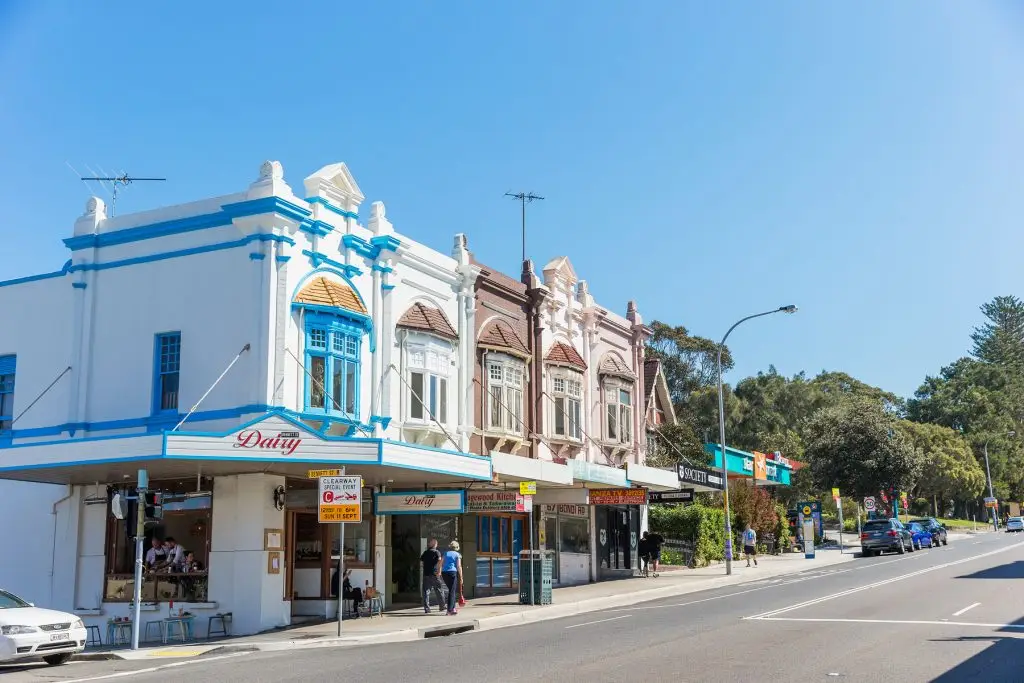
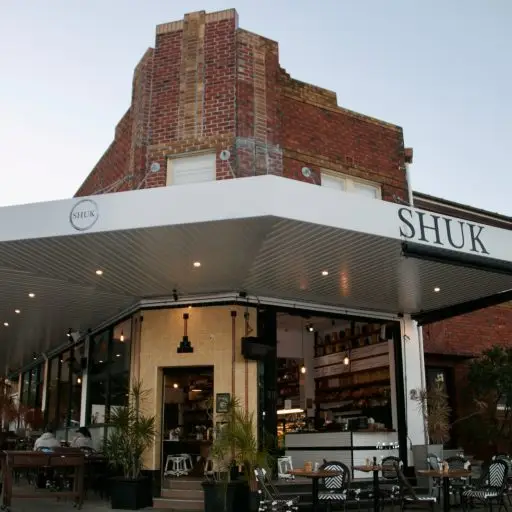
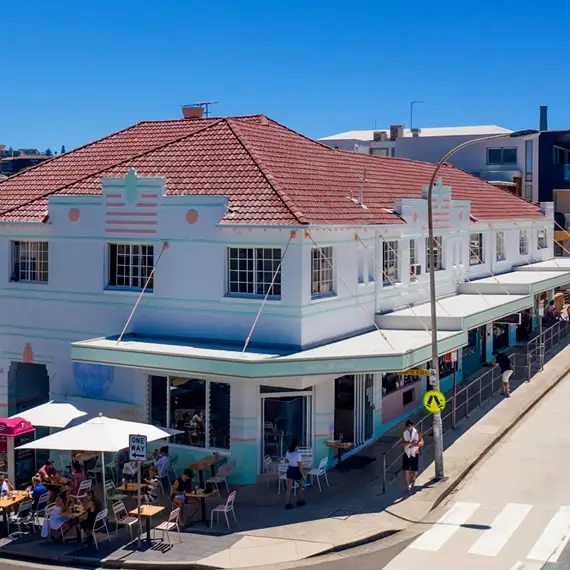
From Oxford Street and Bondi Junction to Double Bay, Bondi and Coogee, the Eastern Suburbs run dense retail strips beneath shopfront awnings. These awnings are load-bearing structural assets that shade footpaths, carry signage and shelter pedestrians. What sets the Eastern Suburbs apart is the marine environment: salt-laden coastal air makes corrosion the dominant failure mode, and rust, more than any other defect, drives demand for awning repairs in the Eastern Suburbs. As shop awning repairs specialists, we see the same coastal corrosion pattern across the suburb’s retail strips.
Why coastal awnings corrode faster
Atmospheric corrosivity in Australia is classified under AS 4312. Coastal and surf-zone locations sit in the high to very high categories (broadly C3 to C5), well above inland suburbs. The driver is airborne chloride from sea spray and whitecap activity, which the prevailing easterly and southerly winds carry inland. Chloride is hygroscopic, so it holds moisture against the steel and extends the time of wetness, the single biggest factor in atmospheric corrosion rates. The effect is strongest within roughly one kilometre of surf beaches, which covers much of the Eastern Suburbs retail frontage.
How rust attacks an awning
Chloride penetrates protective films and coatings, initiating localised pitting rather than uniform loss. On a shopfront awning this concentrates at the most safety-critical elements:
- Tie rods and hangers: section loss here reduces tensile capacity and can detach a suspended awning.
- Anchor bolts and wall fixings: corrosion at the anchorage is the classic precursor to collapse.
- Embedded steel and concrete spalling: expanding corrosion product cracks the surrounding concrete and degrades fixing capacity.
- Brackets, welds and fascia steel: pitting and crevice corrosion at joints and laps, often hidden behind cladding.
Because the worst attack is frequently concealed within hollow sections, behind fascias or at embedded anchors, surface appearance understates the real condition. Rust staining, bubbling paint and rust streaks down the facade are late-stage symptoms, not early warnings.
Corrosion rarely stops at the awning. The same airborne chlorides attack the adjoining roofing, box gutters and flashings, so awning restoration in a coastal strip often has to be coordinated with roofing repairs to keep water and salt out of the structure.
Preventing and controlling rust
Corrosion in a C4 to C5 environment is managed through specification, detailing and maintenance, not a single coat of paint.
- Match materials to corrosivity: hot dip galvanising to AS/NZS 4680, marine grade 316 stainless fixings, and aluminium where appropriate.
- Use duplex coating systems: galvanising plus a compatible paint system selected per AS/NZS 2312 for high corrosivity categories, which extends life well beyond either alone.
- Detail to shed salt and water: avoid crevices, water traps and unsealed laps; provide drainage and falls so deposits wash clear rather than pond.
- Wash down regularly: periodic fresh-water rinsing of accessible steel removes chloride deposits and is one of the cheapest corrosion controls in a marine zone.
- Inspect and certify on schedule: engage a NER-registered structural engineer to assess tie rods, anchors, welds and concealed elements, and obtain certification under the relevant council program.
Compliance context
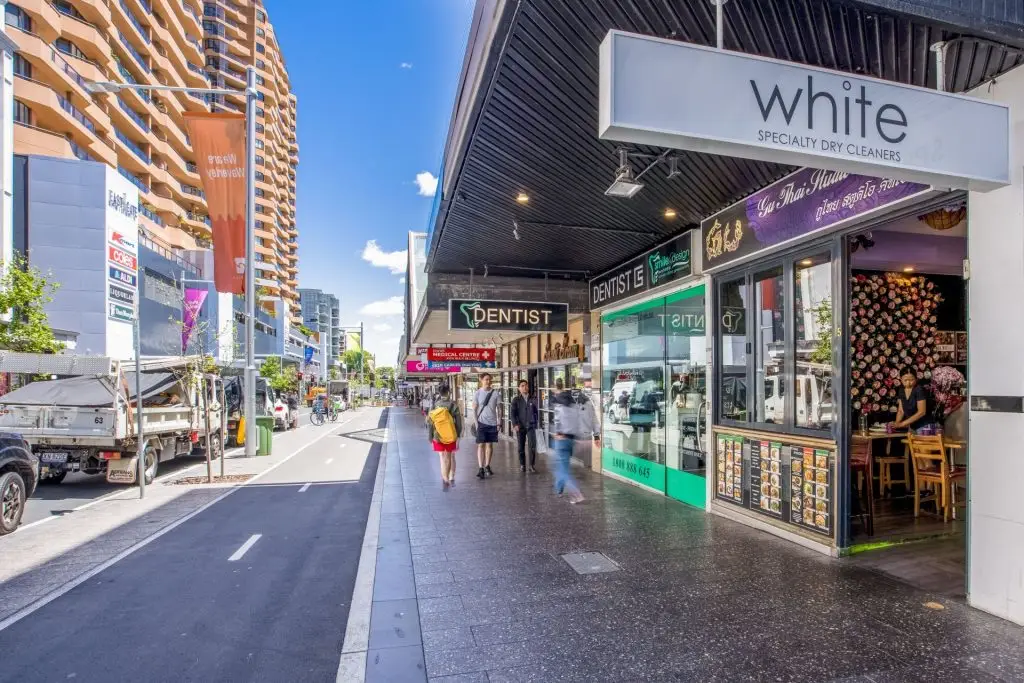
Under section 142 of the Roads Act 1993 (NSW), the person in control of an awning over a footpath must keep it in a satisfactory state of repair, with inspections guided by Practice Note No. 18. Eastern Suburbs councils such as Randwick City Council run awning safety programs requiring engineer certification, and similar obligations apply across Waverley and Woollahra. In a high-corrosivity coastal zone, the inspection interval and coating maintenance both need to be more frequent than inland.
Conclusion
In the Eastern Suburbs, rust is not a cosmetic issue but the primary structural risk to retail awnings. Coastal chloride, long time-of-wetness and concealed anchorages mean small amounts of corrosion can compromise safety before they are visible. Specify for the environment, detail to shed salt, wash and inspect regularly, and rectify section loss rather than recoating over it.
For specialist awning repairs in the Eastern Suburbs, Shop Awning Repairs Sydney are shop awning repairs specialists covering corrosion inspection, structural certification, awning restoration, rectification, new installs and associated roofing works. Contact us to arrange an assessment.
Sources and further reading
- Australian Steel Institute, Atmospheric corrosivity assessment (AS 4312)
- Korvest Galvanisers, Atmospheric corrosion resistance
- Randwick City Council, Awning safety
- Roads Act 1993 (NSW), s 142, NSW Legislation
- AS/NZS 2312 Guide to the protection of structural steel against atmospheric corrosion, Standards Australia
Related Reading
- Randwick Council Awning Compliance Guide: Coogee, Randwick & Maroubra
- Waverley Council Awning Compliance Guide: Bondi, Bronte & Clovelly
- Awning Maintenance: The Ultimate Guide
Or check out our awning repair and installation services for the full picture of what we handle.


