
Received a letter from Waverley Council about your retail awning? Council has been writing to retail landlords asking them to arrange a structural inspection. Read what the letter means and what to do next.
Waverley Council covers some of Sydney’s busiest and most heritage-rich shopping strips, including Bondi Beach, Bondi Junction, Bronte and Clovelly. If you’re installing, repairing or replacing a shop awning in this LGA, here’s how the approval pathway actually works.

Exempt, complying and full DA pathways
Like every Sydney council, Waverley assesses awning work under three possible pathways: exempt development that needs no approval at all, a Complying Development Certificate for straightforward work that meets set standards, and a full Development Application for anything more complex or heritage-affected. Waverley Council explains the difference between these pathways, and notes that Complying Development Certificate applications must be lodged through the NSW Planning Portal, not directly with Council. See Waverley’s Exempt and Complying Development page and its Overview of Development Applications for the full picture.
Heritage conservation areas in Bondi Junction and Bronte
Waverley has 17 heritage conservation areas, and the late 19th and early 20th century retail buildings along Oxford Street in Bondi Junction and Bronte Road are among the LGA’s most recognisable commercial heritage streetscapes. Exempt development generally does not apply to external work on a heritage item or within a heritage conservation area, so a new or replacement awning on one of these buildings will usually need either a Heritage Exemption Certificate for minor works or a full Development Application. Waverley Council’s Heritage Conservation Areas page and Heritage Exemption Certificate page set out which properties are affected and what documentation is needed.
Footpath awnings and occupying the footway
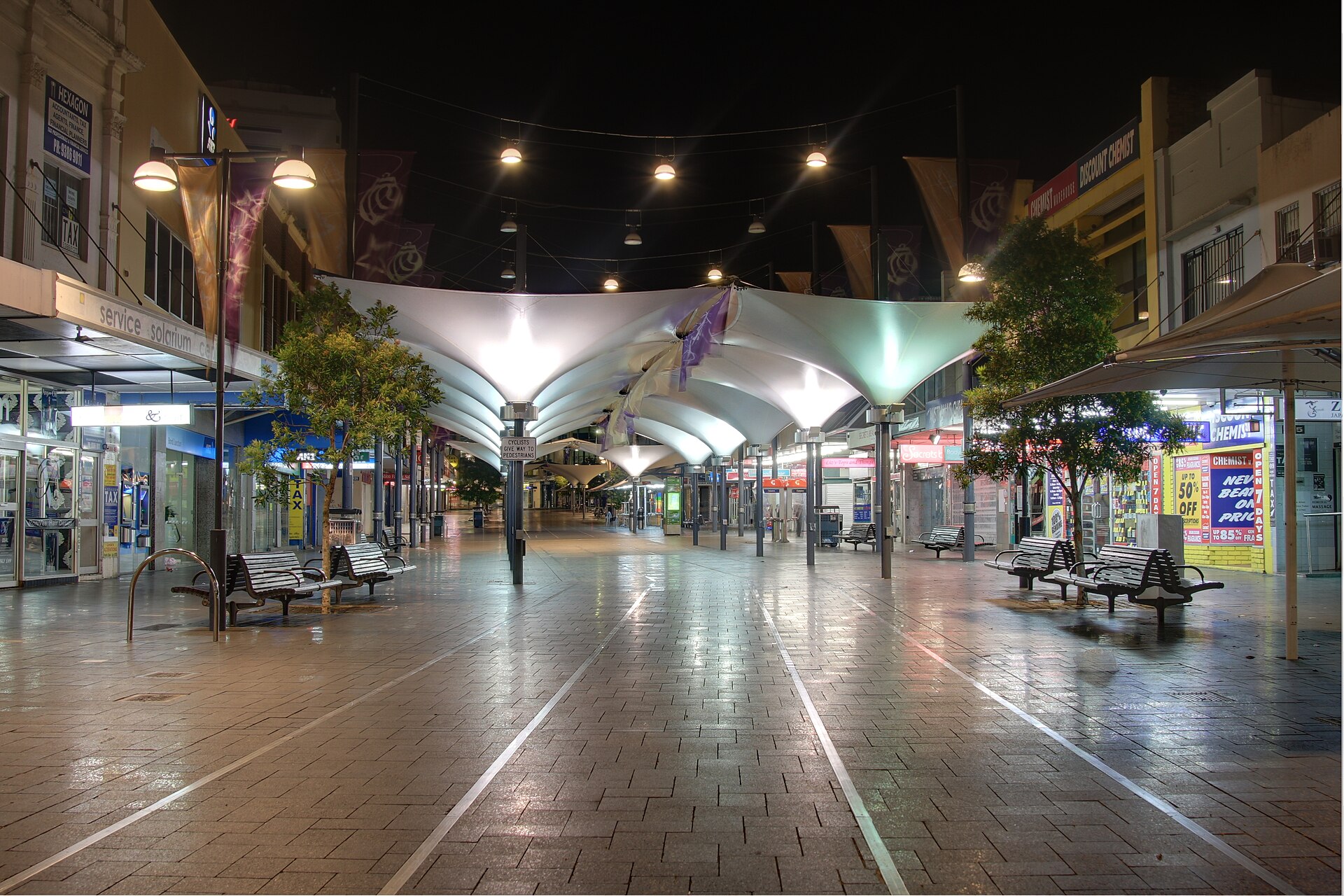
Most shopfront awnings in Waverley’s commercial strips project over the public footpath, which brings Council’s footway approval process into play alongside the standard planning pathway. Waverley Council requires Section 68 approval and payment of the applicable fee before a business occupies the council footpath, whether for a hoarding, scaffold or a permanent structure, as set out in its Occupation of Council Footpath Application. Businesses adding footpath dining under an awning should also check Council’s separate Footpath Seating Permits process, which runs alongside, not instead of, the awning approval itself.
Structural certification, whatever the pathway
Regardless of which approval pathway applies, an awning fixed to a building and projecting over a footpath needs engineering certification confirming the fixings meet structural and wind loading requirements, a document Council and certifiers will ask for as part of any application. This is a standard part of our new awning installation process, alongside the general council approval considerations that apply across Sydney and the typical cost factors involved in a new installation.
How we help Waverley businesses
Shop Awning Repairs Sydney works across the Waverley LGA, from Bondi Beach and Bondi Junction through to Bronte and Clovelly, and prepares the structural certification and supporting drawings that Council or the NSW Planning Portal will ask for. If you’re planning a new awning or need an existing one assessed for compliance, get in touch with our team for advice specific to your property.
Related Reading
Or visit our awning services page for more on repairs, maintenance and installations.
For shopping strips and larger commercial buildings, see our commercial awnings page.
Source: NSW Planning Circular BS 13-001: Safety of Awnings over Public Lands (NSW Department of Planning and Environment).