
Retail Shop Awnings in Parramatta: A Technical Guide for Business Owners
Parramatta is now Sydney’s second CBD, and since the Parramatta Light Rail opened in December 2024 its retail corridors along Church Street, Macquarie Street and the Westfield precinct carry heavier foot traffic and closer regulatory scrutiny. Shopfront awnings are load-bearing structural assets that shade footpaths, carry signage and protect pedestrians, and their integrity degrades without inspection. This guide outlines awning construction, the load environment in Western Sydney, common defects, and the compliance obligations that make awning repairs in Parramatta part of responsible building ownership.
Function and load roles
- Pedestrian protection on high-traffic corridors, now busier with light-rail patronage.
- Signage and branding loads applied to the fascia.
- Solar control, reducing heat gain on glazed shopfronts.
- Weather protection from sun, rain and hail, limiting slip hazards and water ingress.
Each role depends on a sound load path. Loss of structural capacity compromises all of them simultaneously.
Construction types and load path
- Suspended (hung): frame cantilevered from the facade and restrained by inclined tie rods or hangers anchored above.
- Cantilevered: supported entirely by building fixings with no street posts, generating high bending and tension at the anchors.
- Post-supported: carried by kerb columns, typical of wider frontages.
In all cases dead load, wind action and ponded water must transfer into the building through fascia, hangers, tie rods and anchor bolts. The anchorage is the critical link.
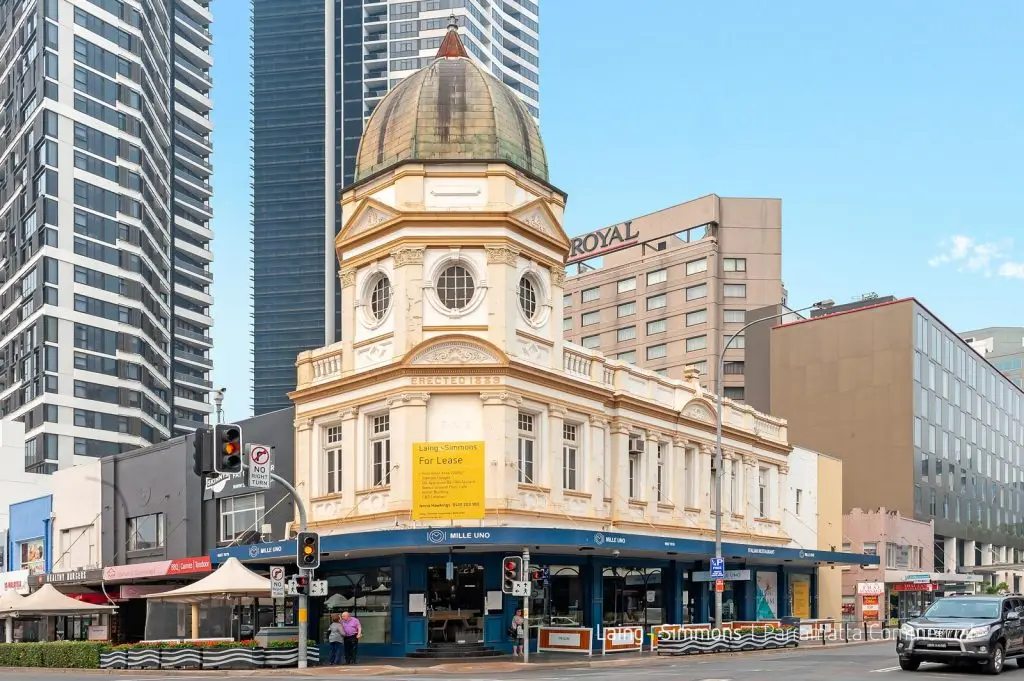
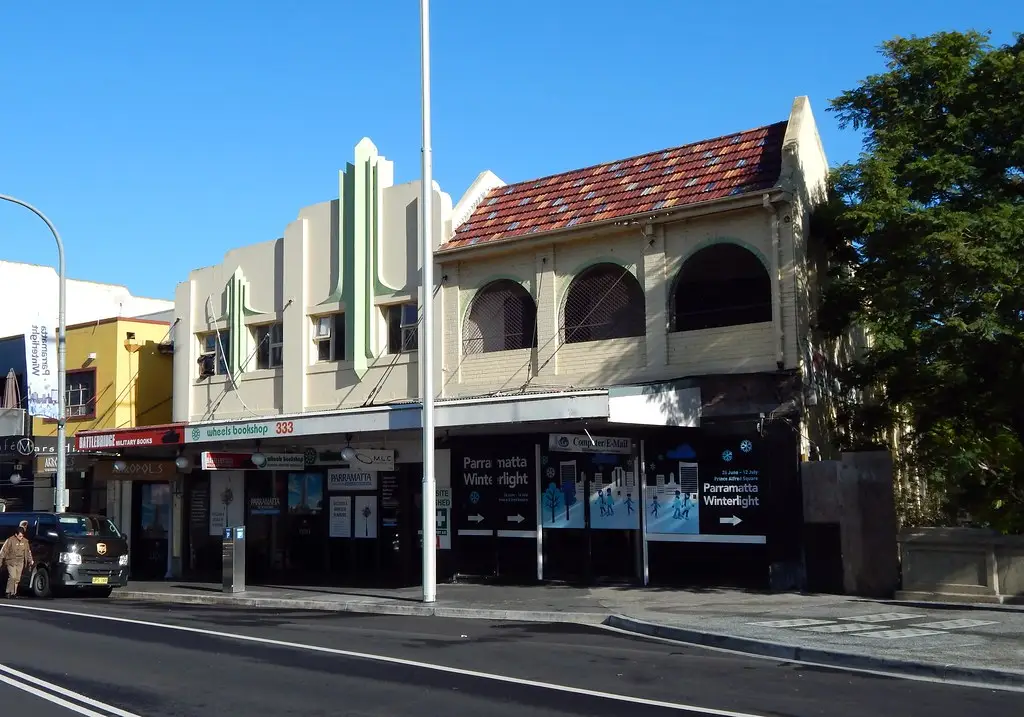
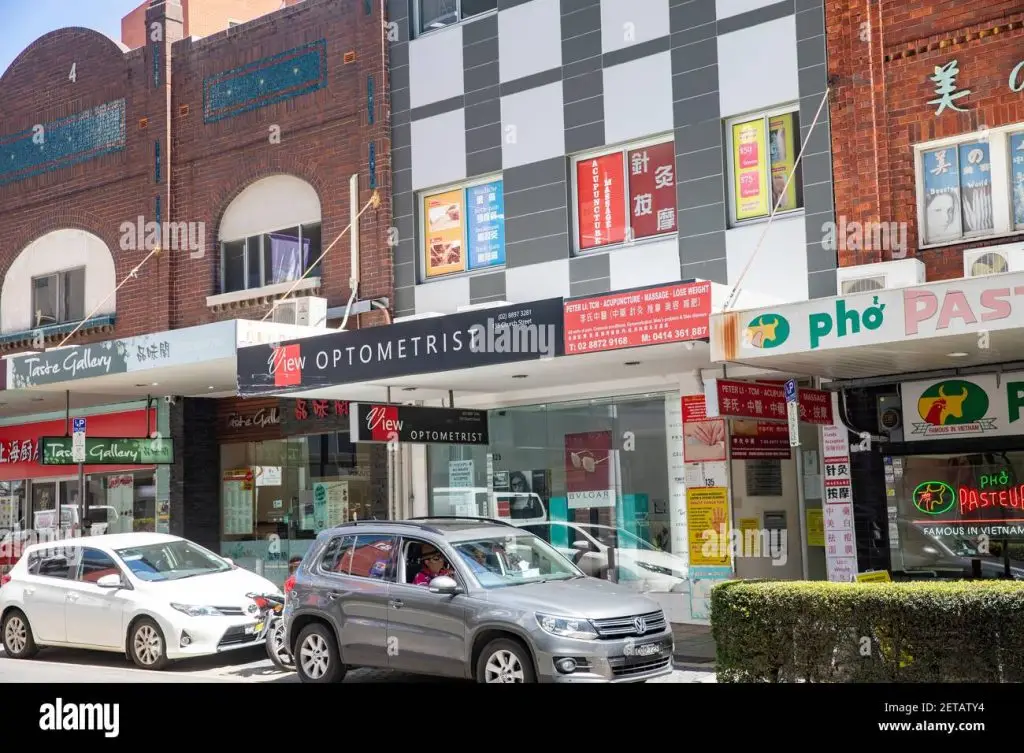
Parramatta load environment
- High UV and ambient heat degrade fabric, polycarbonate and coatings; thermal cycling fatigues welds and loosens fixings.
- Severe storms and hail impose sudden uplift and impact loads.
- CBD wind loading is amplified by surrounding towers; awnings must satisfy AS/NZS 1170.2 wind actions.
- Ponding on low-fall roofs and blocked box gutters adds dead load and accelerates corrosion.
- Atmospheric grime traps moisture against metal and fabric, sustaining corrosion cells.
Common defects driving awning repairs in Parramatta
- Corroded anchors and tie rods: the most safety-critical defect, as anchorage failure detaches the awning.
- Concrete spalling (concrete cancer): expansion of corroding embedded steel cracks the concrete and degrades fixing capacity.
- Timber rot: in heritage shopfronts with concealed framing behind the fascia.
- Fatigue cracking: in welds and brackets from cyclic thermal and wind loading.
- Sagging awning line: evidence of overloaded or failing supports.
- Blocked box gutters: ponding, added load and water ingress.
- Fascia and waterproofing breakdown: bubbling paint, staining and flaking metal.
Footpath-visible warning signs include rust staining, peeling paint, dripping or pooling water, rust streaks down the facade, movement in wind, and loose or corroded bolts. Any of these warrants professional assessment.
Regulatory obligations
Under section 142(1) of the Roads Act 1993 (NSW), the person in control of an awning over a footpath must keep it in a satisfactory state of repair. Inspections follow Practice Note No. 18 (July 2008), which sets inspection scope and frequency. Works to the awning or road reserve generally require approval from the City of Parramatta, and may need a Development Application with structural engineer certification. Owners adjacent to the light-rail corridor must also allow for realigned kerbs, street furniture, overhead wiring and increased pedestrian volumes.
Inspection and repair best practice
- Engage a NER-registered structural engineer to inspect anchors, tie rods, welds, internal beams, brackets and gutters, including concealed elements.
- Obtain structural certification where the awning is sound, typically valid for five years under Practice Note No. 18.
- Rectify rather than patch: deep section loss in beams or fixings requires replacement, not recoating.
- Specify durable materials: galvanised or aluminium framing, marine-grade stainless fixings and UV-stable polycarbonate.
- Maintain drainage with clear gutters, downpipes and adequate fall.
Conclusion
As the Parramatta CBD intensifies, awnings carry higher loads under closer scrutiny. Heat, storms, ageing structures and rising foot traffic make routine inspection and timely awning repairs in Parramatta essential to protect the public and limit owner liability. Inspect early, certify integrity, and rectify defects before they become failures.
For professional awning repairs in Parramatta, from inspection and certification to rectification and new installs, contact Shop Awning Repairs Sydney to arrange an assessment.
References
- Roads Act 1993 (NSW), s 142, NSW Legislation
- Practice Note No. 18, Inspection and Assessment of Existing Tied Awnings (July 2008), ACSE
- AS/NZS 1170.2:2021, Structural design actions Part 2: Wind actions, Standards Australia
- Parramatta Light Rail Stage 1 (opened December 2024), Transport for NSW
- Development forms and documents, City of Parramatta
Tags
awning repairs Parramatta, awning inspection Parramatta, structural certification, shopfront awnings, concrete spalling, tie rod corrosion, AS/NZS 1170.2 wind actions, Roads Act 1993, Practice Note No. 18, commercial awning repairs Sydney, awning maintenance, Parramatta CBD, Parramatta Light Rail


