
Lane Cove Council Awning Compliance Guide: What Shop Owners Need to Know
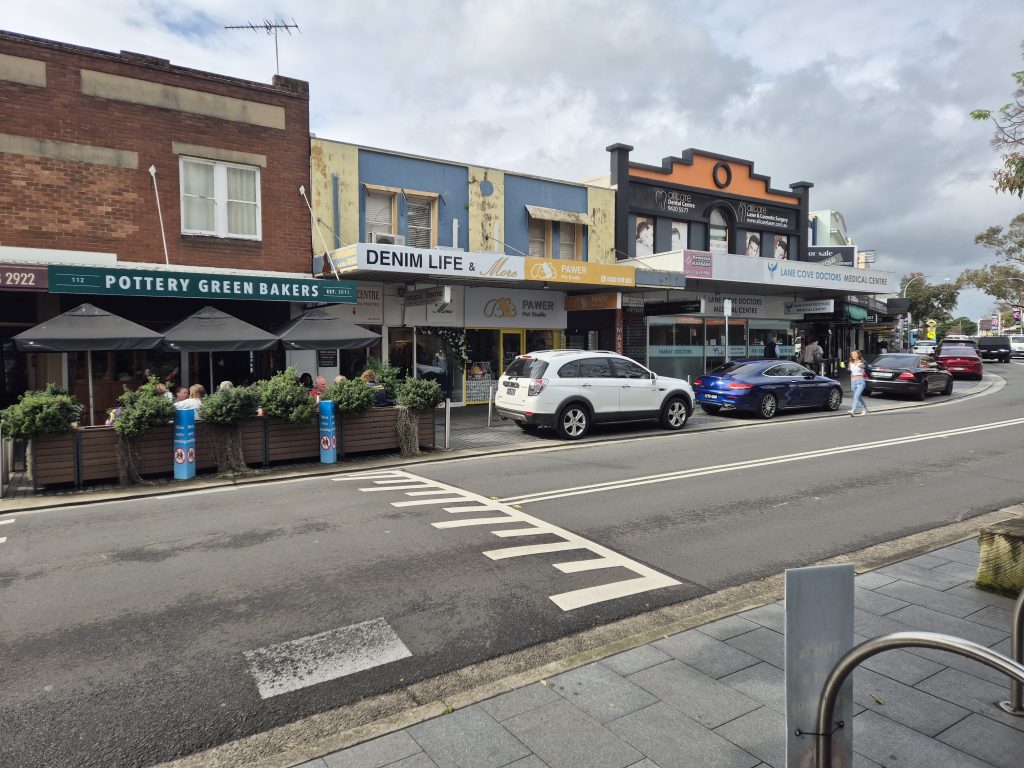
Lane Cove’s shopping strips along Longueville Road, Burns Bay Road and the Rosenthal Avenue precinct are lined with awnings sheltering the footpath outside cafes, retailers and offices. When one of those awnings is found to be corroded, loose or otherwise unsafe, Council has the power to issue a compliance notice requiring the owner to repair it, and getting that notice can feel sudden if you don’t know what happens next. Shopfront awnings along Longueville Road, Lane Cove. What a council order on your awning actually means An awning over a public footpath sits partly on council land, which is why Lane Cove Council can act on it directly rather than leaving it entirely to the property owner. Orders are usually triggered by a routine inspection, a storm damage report, or a complaint from a member of the public, and they’re issued under Council’s general compliance and building powers. The notice will specify what’s wrong, what needs to be done, and a deadline. Ignoring it doesn’t make the issue go away: unresolved orders can escalate to fines or further enforcement action, and in the meantime an unsafe awning over a public footpath is a genuine liability if it fails. Lane Cove Council’s requirements for footpath awnings Awnings projecting over Council land fall under Lane Cove’s Development Control Plan and the Roads and Footpaths approval process, which covers structures occupying the road reserve. In practice this means Council expects any repaired or replacement awning to be professionally engineered and, where structural work is involved, backed by a certified design. For heritage shopfronts, or buildings within a conservation area, Council will also want the repair to keep the original character of the awning intact rather than swap it for a mismatched replacement. If you’re unsure whether your building falls within a heritage area, it’s worth checking with Council’s Planning Controls team before starting work. Steps to take once you’ve received a notice Start by reading the notice carefully for the exact deadline and the specific defect Council has identified, since responding to the wrong issue wastes time you may not have. From there: Arrange an inspection from a qualified awning contractor who can assess the structure against AS 1170.2 wind loading requirements, not just patch the visible problem. Get the repair scope certified in writing, particularly for anything involving tie rods, brackets or the structural frame. Use corrosion-resistant materials for any replacement components, hot-dip galvanised steel is the standard for footpath awning frames given constant weather exposure. Keep photographic records and paperwork from the repair, since Council will typically want evidence the work has been completed before closing out the order. Contact Council directly if you need more time. Reasonable extensions are usually easier to arrange before a deadline passes than after. Well-maintained shopfront awnings on Longueville Road — the standard councils expect repaired structures to meet. Why acting quickly matters A council order isn’t really about paperwork, it’s a signal that the awning has already been assessed as a risk to people walking underneath it. Beyond the compliance side, an awning failure over a public footpath carries real safety and liability exposure for the property owner, and most insurers will ask hard questions about maintenance history if something does go wrong. Addressing the notice properly the first time, rather than doing the minimum to get Council off your back, is usually the cheaper option in the long run too, since a half-fixed awning tends to generate a second notice down the track. If you’ve received a compliance notice for a shop awning in Lane Cove, Shop Awning Repairs Sydney can inspect the structure, provide certified repair recommendations, and carry out the work to a standard that satisfies Council. Get in touch to arrange an inspection. Sources and further reading Lane Cove Council, Compliance Lane Cove Council, Footpaths Lane Cove Council, Planning Controls Related Reading Parramatta Council Awning Compliance Guide Do You Need Council Approval for a Shop Awning in Sydney? Or browse our full range of awning services for the full range of repair, maintenance and installation work we handle.
Parramatta Council Awning Compliance Guide: CBD, Harris Park & Westmead
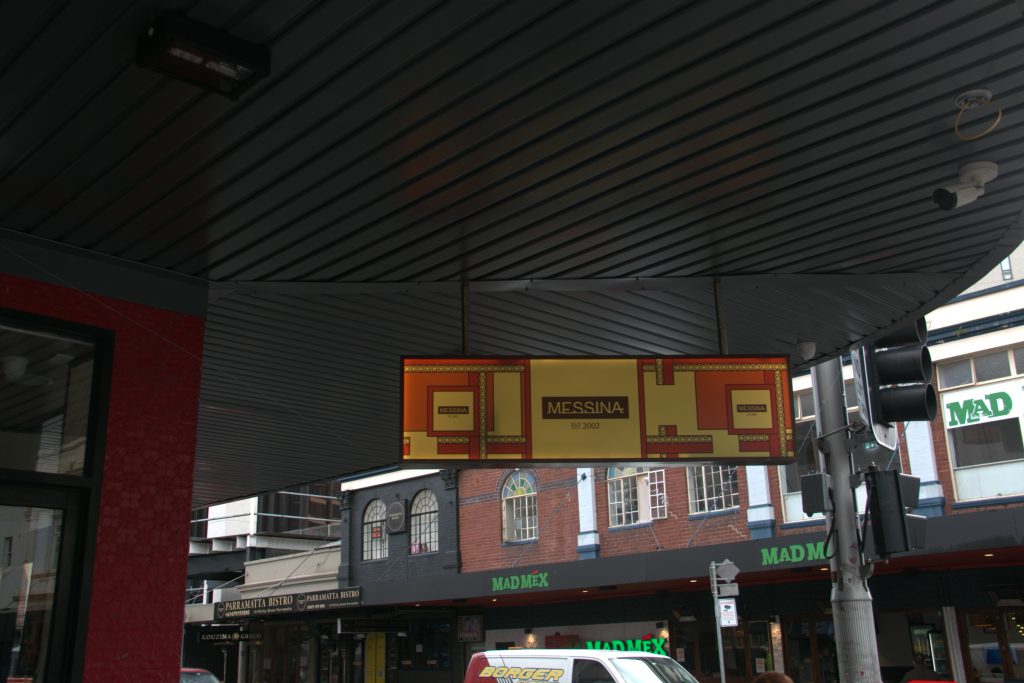
City of Parramatta covers Sydney’s second CBD along with Harris Park, Granville, Westmead and North Parramatta. It’s one of the busiest retail and commercial precincts outside the Sydney CBD, and Church Street Mall alone sees enormous daily foot traffic under shopfront awnings. Here’s how the approval pathway for a shop awning actually works across this LGA. Exempt and complying development pathways Some minor building work in Parramatta can proceed as exempt development without a full Development Application, provided it meets the standards set out in the State Environmental Planning Policy (Exempt and Complying Development Codes) 2008. Council’s Application Requirements and Development and Building Approval Guide pages set out what’s needed for works that don’t qualify. In practice, most shopfront awning work in the Parramatta CBD and surrounding commercial centres sits outside the simple exempt categories, so it’s worth checking with Council’s Duty Planner before assuming a project doesn’t need consent. Awnings on public land need a separate approval An awning that projects over a footpath is built on public land, and Parramatta Council treats that as a separate matter to the building work itself. Structures on the footway, including awnings, fall under the same approval framework as footway dining, hoardings and other occupations of the public domain under the Roads Act 1993 and the Local Government Act 1993. Council’s footway dining application, for example, requires a $20 million public liability insurance certificate naming City of Parramatta Council as an additional insured party. A shopfront awning project on a street like Church Street or Macquarie Street can involve both a building approval and a separate application to occupy the footpath. Heritage buildings and conservation areas Parramatta has one of Sydney’s largest concentrations of heritage buildings, and the Parramatta Local Environmental Plan 2023 lists numerous heritage items and heritage conservation areas across the CBD and surrounding suburbs. Council’s Heritage Conservation and Heritage Development Approvals pages let you check whether a property is affected, and the Parramatta DCP 2023 sets out detailed heritage controls in Part 7 and Appendix 3. If a shopfront sits within a heritage item or conservation area, a new or replacement awning will usually need a heritage minor works application or a full Development Application, often with a schedule of colours, materials and finishes so Council can assess the impact on the streetscape. Structural certification, whatever the pathway Whichever approval track applies, Parramatta Council will expect a certified structural design for any awning projecting over a footpath, particularly given the pedestrian volumes around Church Street Mall and the Westfield Parramatta precinct. This certification is part of our new awning installation process, and sits alongside the general council approval considerations and typical cost factors that apply to any new Sydney installation. How we help Parramatta businesses Shop Awning Repairs Sydney works across the Parramatta LGA, from the CBD through to Harris Park, Granville and Westmead, and prepares the structural certification and drawings that Council or a certifier will ask for. One recent example is our work on the Gelato Messina shopfront in Parramatta, where we installed a wrap-around corner awning with tie-rod supports to suit the building and the streetscape. If you’re planning a new awning or need an existing one assessed, get in touch with our team for advice specific to your property. Related Reading Randwick Council Awning Compliance Guide: Coogee, Randwick & Maroubra Waverley Council Awning Compliance Guide: Bondi, Bronte & Clovelly Inner West Council Awning Safety Compliance Guide & checklist Do You Need Council Approval for a Shop Awning in Sydney? Or check out our awning repair and installation services for the full range of repair, maintenance and installation work we handle. Source: NSW Planning Circular BS 13-001: Safety of Awnings over Public Lands (NSW Department of Planning and Environment).
Café and Restaurant Awnings in Sydney: Outdoor Dining Rules and the Case for Investing Now
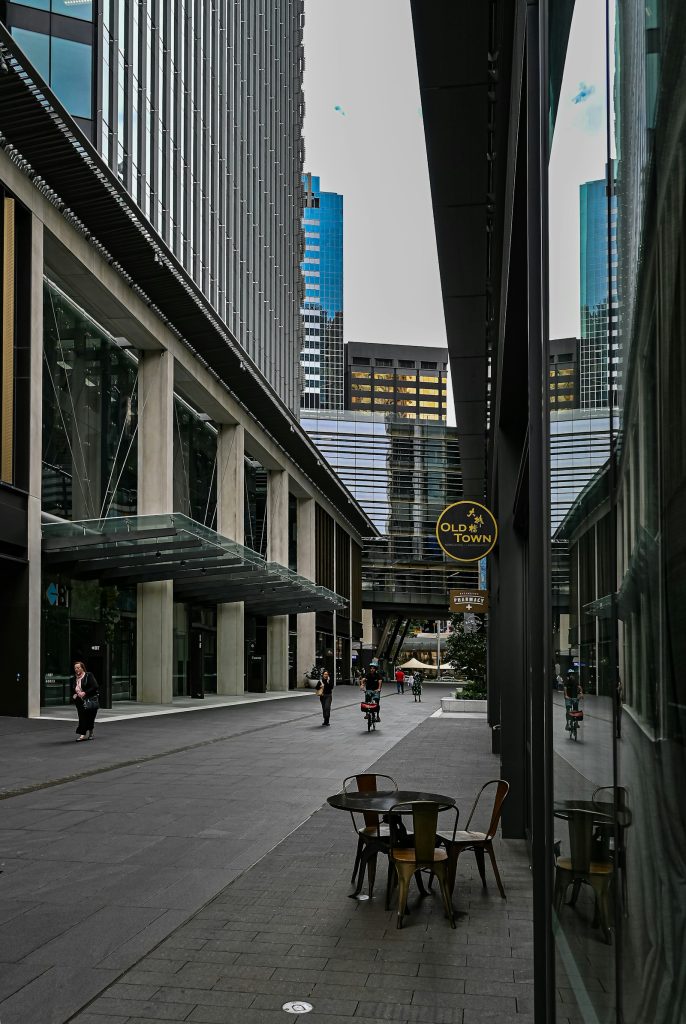
Outdoor seating has become the difference between a café that just gets by and one that’s booked out on a Saturday morning. But the awning over that seating isn’t just shade. It’s the piece of infrastructure that decides whether your outdoor dining is even legal, how much of the year you can actually use it, and what customers think of your business before they’ve read the menu. Outdoor café seating on a quiet Barangaroo street in the Sydney CBD, the kind of al fresco space a well-maintained awning can extend and protect. When Outdoor Dining Needs a Compliant Awning Most Sydney councils treat footway dining as exempt development, meaning a café or restaurant can put tables on the footpath without lodging a full development application, provided the setup meets council guidelines. City of Sydney’s rules are typical of what you’ll find across the metro area: outdoor dining only qualifies as exempt development if it’s either not under an awning at all, or under an awning that’s BCA-compliant. An awning that hasn’t been engineered, certified or maintained to that standard can tip your outdoor seating out of the exempt category and into a full DA, with all the time and cost that involves. The same guidelines also block certain workarounds: drop-down blinds, enclosures and connected umbrellas are treated as canopies and aren’t permitted as a substitute, and umbrellas generally aren’t allowed at all where a building awning already provides shelter. In practice, that means the awning is doing the legal and structural heavy lifting for your entire outdoor dining area, not just the cosmetic work. Requirements vary by council, so it’s worth checking the specifics for your area. We’ve covered the detail for a few of Sydney’s busiest hospitality strips in our City of Sydney compliance guide and our broader council approval guide for shop awnings. The Revenue Case for Outdoor Seating The commercial argument for covered outdoor dining is well established. Industry data consistently shows cafés and restaurants can lift available seating by 20-30% simply by making outdoor space usable, and covered outdoor areas have been shown to increase revenue by up to 30% during peak periods, all from the same kitchen, the same staff, and the same fixed costs. An awning is what makes that space usable on the days that matter: it keeps tables dry through a passing shower, out of direct summer sun, and open for trade through Sydney’s storm season rather than shut down every time the weather turns. Outdoor seating that only works on perfect days isn’t really an asset. It’s a liability with a nice view. First Impressions Start With What’s Overhead Curb appeal research is blunt about this: as much as 70% of first-time sales are influenced by how a business looks from the outside, and a meaningful share of people say they simply won’t walk into a shopfront that looks neglected. For a café or restaurant, the awning is usually the single largest visual element of the shopfront. It’s what people see from across the street before they see anything else. A faded, sagging or rust-streaked awning tells passing foot traffic that nothing else has been looked after either. A clean, well-fitted one does the opposite, and it does it for free, every single day, without anyone having to run a promotion. Why an Up-to-Date Awning Is a Business Investment, Not an Expense It’s easy to treat an awning as maintenance, something you fix when it breaks and otherwise ignore. For a hospitality business, that’s the wrong frame. An awning is structural, weight-bearing, and exposed to the worst of Sydney’s weather every single day, which means it degrades whether you’re watching it or not. Corroded fixings, a stretched or torn cover, or a tie rod past its rated life aren’t just cosmetic problems. They’re the kind of failure that can put a table of customers at risk, trigger an insurance dispute, or shut your outdoor section down entirely during your busiest trading period. We’ve written previously about what’s involved if you ever need to make an insurance claim for awning damage, and it’s a far more disruptive process than a scheduled inspection. Looked at that way, keeping your awning current isn’t a cost you’re trying to avoid. It’s a capital investment in the part of your business that generates the most seating, the most street presence, and the most first impressions. It’s also worth knowing that awnings, as a business asset, may fall within the ATO’s instant asset write-off provisions for eligible small businesses, which can make the timing of an upgrade more favourable than expected, though that’s a conversation for your accountant, not us. What we can tell you is the operational side: a properly engineered, well-maintained awning routinely outlasts the businesses that skimp on it, and the cost of staying on top of it is consistently smaller than the cost of an emergency repair, a lost trading day, or a council order to fix it before you can keep serving outside at all. Fixed or Retractable: What Suits Hospitality Best A retractable folding-arm awning, extended over an outdoor dining terrace. Most café and restaurant awnings fall into one of two categories. Fixed, tie-rod supported canopies suit permanent outdoor dining footprints and built-in branding: they’re the better fit if your outdoor seating isn’t changing size from one season to the next. Motorised retractable systems suit venues that want flexibility, letting you open the space up on a warm evening and close it down when the weather or the hour calls for it. Either way, the fabric, frame and fixings need to be rated for the load and specified to your council’s clearance and compliance requirements, particularly if the awning projects over a public footpath. If your café or restaurant’s awning hasn’t been inspected in a while, or you’re planning to expand your outdoor dining footprint, get in touch with our team for a site assessment. We handle design, engineering, council documentation, fabrication and installation in house, and can also advise
Randwick Council Awning Compliance Guide: Coogee, Randwick & Maroubra
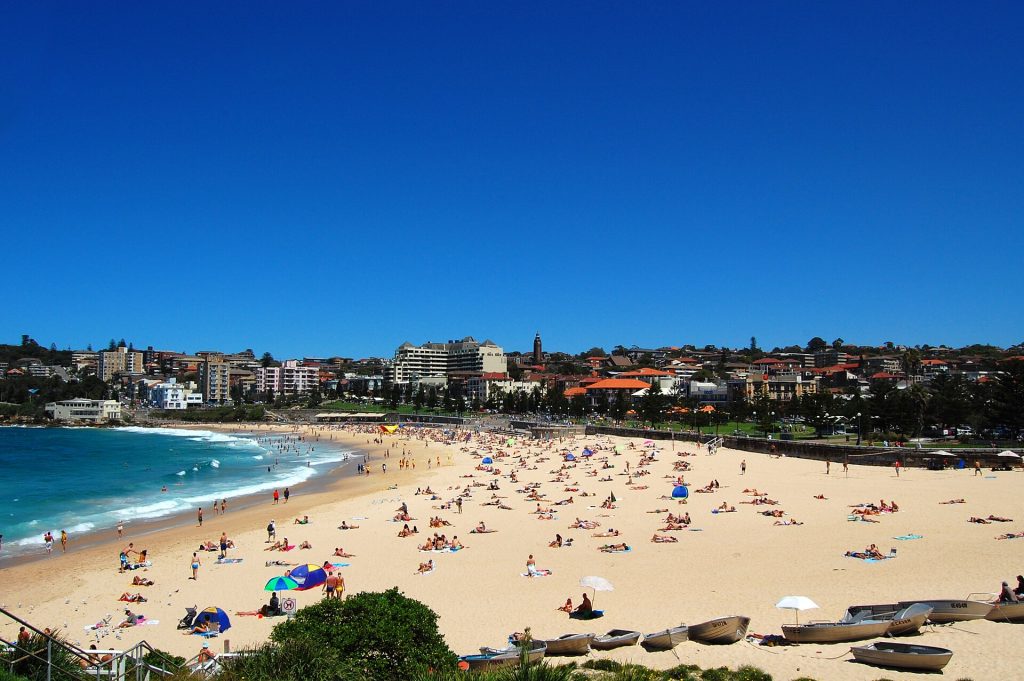
How Randwick Council’s exempt, complying, heritage and footway approval rules apply to shop awnings across Coogee, Randwick, Maroubra, Kingsford and La Perouse.
City of Sydney Awning Compliance Guide: CBD, Rocks & Surry Hills
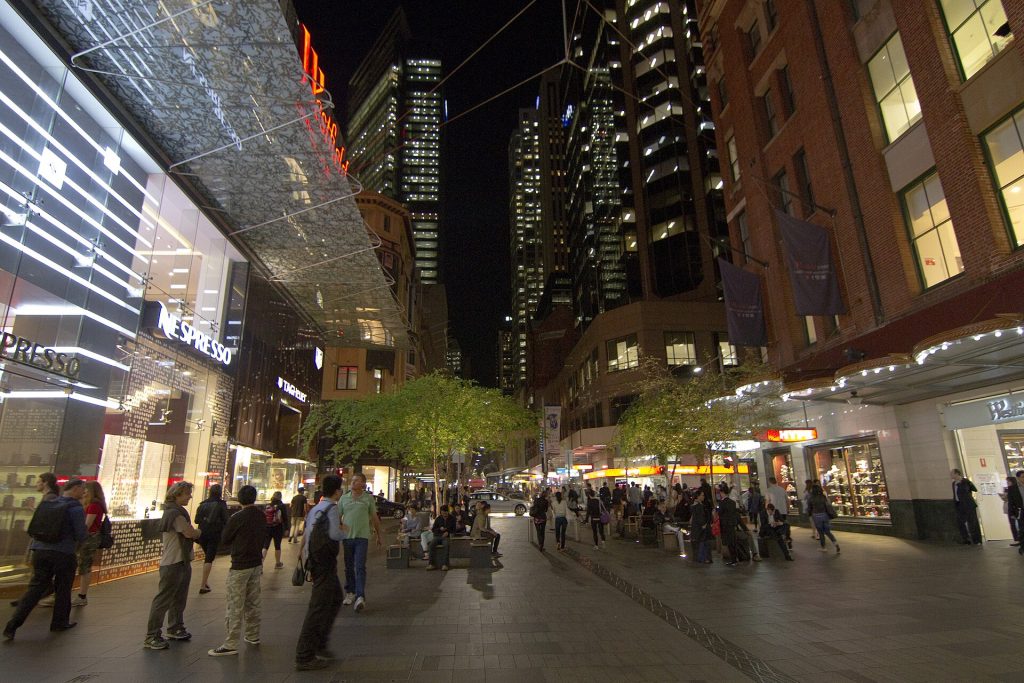
How the City of Sydney’s Development Control Plan, heritage rules and Section 68 footpath approval process apply to shop awnings in the CBD, The Rocks, Surry Hills and Pyrmont.
Waverley Council Awning Compliance Guide: Bondi, Bronte & Clovelly
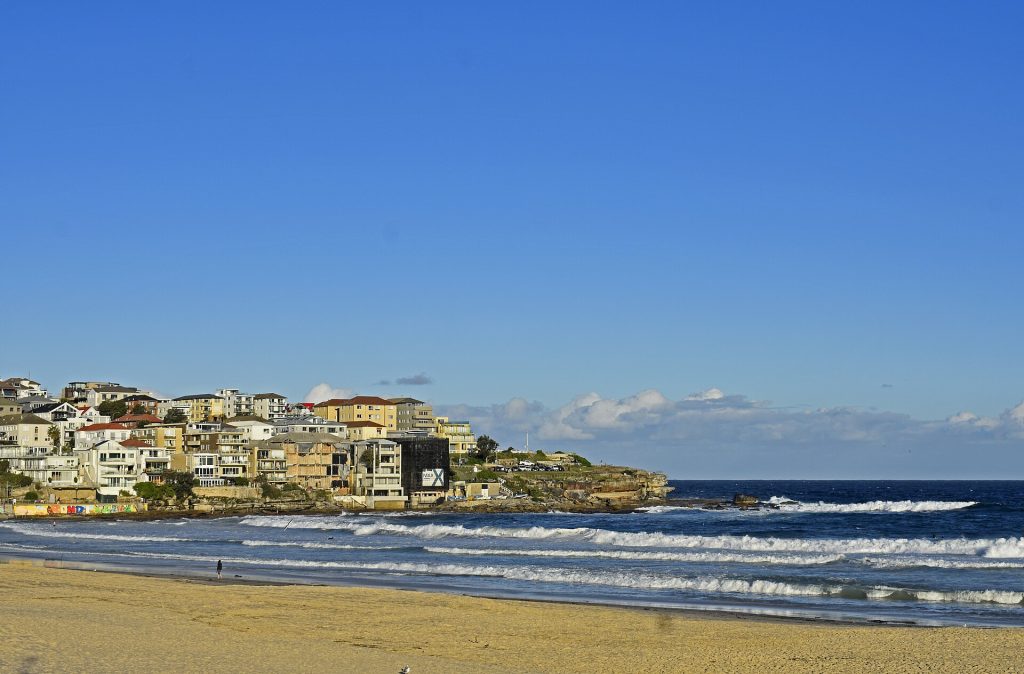
How Waverley Council’s exempt, complying and DA pathways, heritage conservation rules and footpath approval process apply to shop awnings in Bondi, Bondi Junction, Bronte and Clovelly.
Do You Need Council Approval for a Shop Awning in Sydney?
When does a new shop awning need council approval in Sydney? A guide to exempt development, Section 68 footpath approval and heritage DA requirements.
Navigating Council Awning Safety Orders in Sydney: A Guide for Commercial Landlords
A guide for Sydney commercial landlords on council awning safety orders: the legal responsibilities under the Roads Act 1993, why safety orders get issued, and the compliance process to clear one.
Inner West Council Awning Safety Compliance Guide & checklist
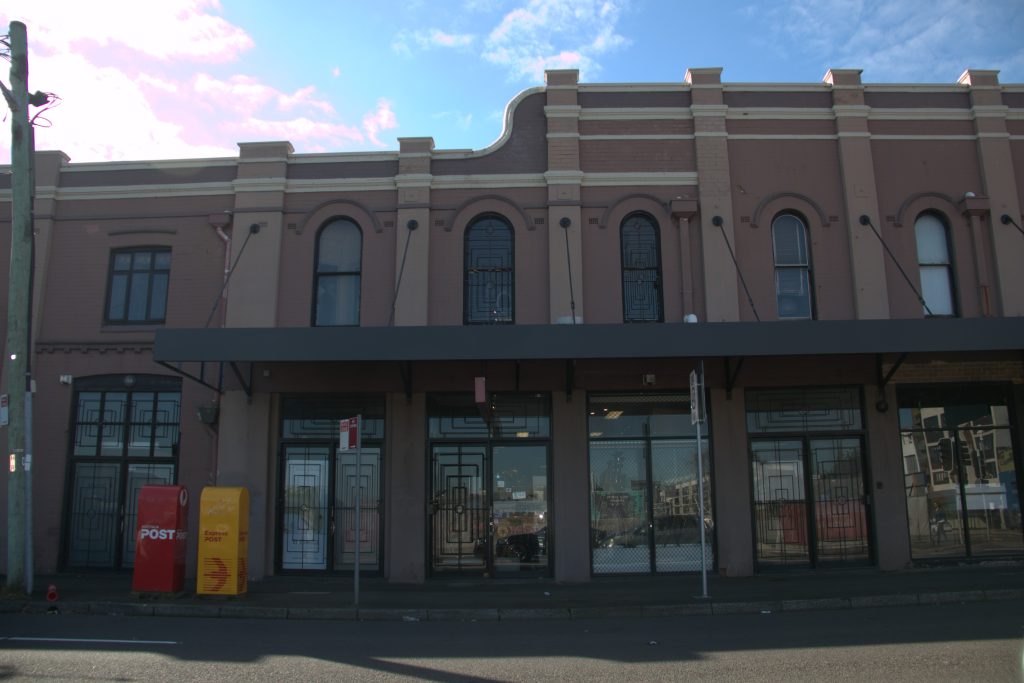
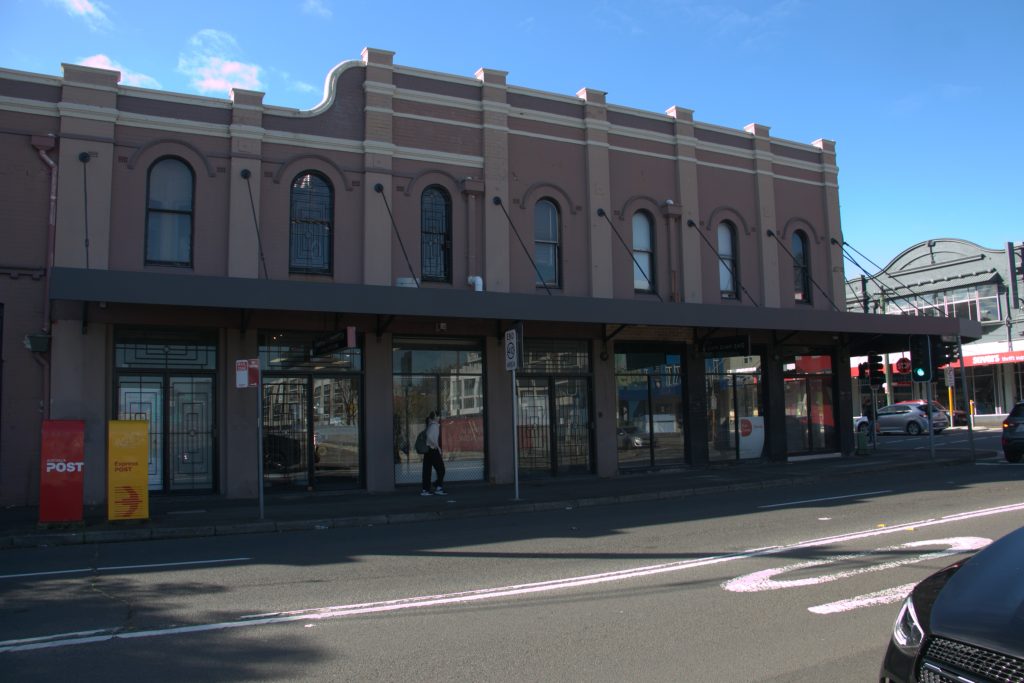
Inner West Council Awning Safety Compliance Guide & Checklist A Complete Remediation and Engineering Roadmap for Sydney Commercial Property Owners The underside of a steel-framed awning, showing the structural bracing that keeps it up. A closer view of the heritage brick building and its long canopy awning in Camperdown. Executive Summary: Commercial property owners and building managers in the Inner West Council LGA must ensure all street awnings over footpaths strictly comply with statutory safety orders. This guide outlines the exact 4-phase audit, engineering, and remediation workflow required under NSW planning regulations and local council programs. Phase 1: Initial Response & Audit Verification (Days 1–14) Verify Council Notification & Statutory Deadlines: Note the date stamped on your official audit letter issued under the Council Awning Safety Program. Under council rules, you must submit an initial structural engineer’s report and defect schedule within 2 months of the letter’s issue date before any physical repairs commence. Review Legal Responsibilities: Acknowledge your statutory obligations under Section 142(1) of the Roads Act 1993 (NSW) and Section 124 of the Local Government Act 1993 (NSW), which mandate that building owners maintain overhanging structures in a safe condition. Immediate Risk & Public Safety Controls: Inspect for active hazards such as visible sagging, cracking masonry at anchor points, or water pooling. If your awning shows signs of immediate structural risk, contact council within 24 hours and secure the footpath. Ensure your commercial building holds a minimum of $20 million in Public Liability Insurance noting council interest, as mandated by the Inner West Outdoor Dining & Footpath Guidelines. Shop Awning Repairs Sydney project in Camperdown Phase 2: Professional Structural Assessment (Days 15–30) Retain a Qualified Engineer: Commission a chartered structural engineer registered on the National Engineering Register (NER). Execute Inspection Scope: Instruct your engineer to inspect the awning in accordance with ACSE Practice Note 18: Inspection & Assessment of Existing Tied Awnings and NSW Planning Circular BS 17-001. Expose Hidden Elements: Arrange temporary removal of ceiling soffit panels or roof sheeting so the engineer can inspect internal steel joists, box gutters, timber framing, and masonry anchor plates. Key Critical Inspection Points: Evaluate external tie-rods, eye-bolts, and turnbuckles for corrosion or fatigue; check connection points to primary building masonry or steel columns; and audit internal water drainage to prevent structural overload during storm events. Click here Phase 3: Documentation & Council Submission (Days 31–60) Structural Findings & Certification Options: If structurally sound, secure a Certificate of Structural Adequacy valid for up to 5 years and submit it via the Inner West Council Online Portal. If defects are identified, obtain a formal Defect Rectification Schedule detailing required structural repairs. Submit Schedule to Council: Lodge your engineer’s defect report with Inner West Council Development Compliance prior to starting any construction work. Phase 4: Remediation, Permits & Final Certification (Post-Submission) Engage Licensed Commercial Specialists: Appoint a specialized commercial builder such as Shop Awning Repairs Sydney (Inline Building, Builder Licence No. 196494C, Class 2 Building Practitioner). Secure Footpath & Road Occupancy Permits: Apply for road opening or temporary hoarding permits if your contractors require scaffolding or elevated work platforms above the footpath. Verify Dimensional Standards: Ensure all repaired or replaced structures maintain a minimum vertical clearance of 2.6 metres above the footpath and sit 300 mm to 600 mm back from the kerb line, in accordance with the Leichhardt Development Control Plan. Sign-off & Penalty Avoidance: Have your structural engineer perform a final inspection upon completion of works and issue a final Structural Certificate. Submit the certificate to close out your safety audit file. Completing these steps prevents Council from issuing on-the-spot fines of $3,000 for individuals or $6,000 for corporations, alongside potential Land and Environment Court proceedings. Summary of Statutory Frameworks & Citations Regulatory Framework / Standard Key Obligation / Relevance Roads Act 1993 (NSW) s 142(1) Mandates property owner legal liability for structures overhanging public roads/footpaths. Local Government Act 1993 (NSW) s 124 Grants Council enforcement powers to issue Orders to alter, repair, or demolish unsafe structures. ACSE Practice Note 18 / Planning Circular BS 17-001 Defines the mandatory technical inspection scope for tied commercial awnings and tie-rod testing. Leichhardt Development Control Plan Establishes physical dimensional standards: minimum 2.6 metres height clearance and 300 mm to 600 mm kerb setback. Related Reading The Significance of Newtown’s Heritage Awnings Navigating Council Awning Safety Orders in Sydney: A Guide for Commercial Landlords Do You Need Council Approval for a Shop Awning in Sydney? Or head to our services page to see how we can help for the full range of repair, maintenance and installation work we handle. Source: NSW Planning Circular BS 13-001: Safety of Awnings over Public Lands (NSW Department of Planning and Environment).
Strata and Commercial Awning Compliance Guide
Strata and Commercial Awning Compliance Guide Awnings over footpaths and common property carry ongoing compliance obligations that sit with the owners corporation or commercial building owner, not just the original installer. These obligations cover structural certification, load testing, council approval and duty of care, and they apply for the life of the awning, not only at installation. A commercial awning with tie-rod supports outside a shopfront entrance — the kind of structure that needs current structural certification for footpath use. Structural Certification Most Sydney councils require awnings projecting over public footpaths to hold current structural certification confirming the frame, fixings and footings meet load requirements. Certification must be issued or verified by a suitably qualified structural engineer, and councils can request evidence of certification at any time, particularly after a complaint, an incident, or a development application on the site. A flat-panel awning on bracket supports fitted to a brick commercial building. Eye Bolt and Cantilevered Load Testing Where an awning is supported by eye bolts or cantilevered fixings rather than posts, proof-load testing is required to confirm the fixings still carry the certified load. Testing intervals are typically set by the original certification or council condition, commonly every one to five years. A failed eye bolt is a compliance issue, not a maintenance item, and use of the awning may need to be restricted until it is rectified. Duty of Care and Public Liability An owner’s corporation or commercial owner has a duty of care to pedestrians and tenants under common property. A falling panel, corroded bracket or collapsed frame exposes the corporation to negligence claims if maintenance and certification records cannot demonstrate the awning was kept in a safe condition. Current certification and inspection records are the primary evidence in any such claim. Pull-out load testing on an awning anchor bolt, confirming the fixing can safely carry its rated load. Council Approval for Alterations Re-roofing, re-covering, resizing or replacing an awning generally requires council approval, and heritage-listed buildings require conservation approval in addition to standard council sign-off. Works carried out without the correct approval can be subject to a rectification order regardless of build quality. Engaging Licensed Contractors Structural work on awnings should only be carried out by a licensed builder holding the appropriate NSW contractor licence, with Class 2 Building Practitioner registration where the work falls under the Design and Building Practitioners scheme. Strata managers and building owners should request current licence numbers and a certificate of currency for public liability insurance before engaging any contractor. Recommended Inspection Cadence A visual inspection at least annually, a full structural inspection aligned with the certification renewal date, and an immediate inspection after any storm, impact or reported damage. Inspection records should be kept with the strata roll or building compliance file, not just with the contractor. Compliance is an ongoing obligation, not a one-off approval at installation. Keeping certification, load testing and inspection records current is what protects the corporation or owner if the awning is ever questioned by council or an insurer. Contact Shop Awning Repairs Sydney for structural certification, load testing and compliance inspections on strata and commercial awnings. References and Further Reading Strata By-Laws | NSW Government Strata Schemes Management Act 2015 — Section 108, Changes to Common Property Strata Schemes Management Act 2015 — Section 106, Duty to Maintain and Repair Strata Repairs and Maintenance | NSW Government Awning Safety Program | Inner West Council Get Approval for Section 68 Activities | City of Sydney Building Classes and Roles of Professionals | NSW Government Related Reading Navigating Council Awning Safety Orders in Sydney: A Guide for Commercial Landlords Awning Maintenance: The Ultimate Guide Or view the full list of awning services we offer for the full range of repair, maintenance and installation work we handle.


