
Your shop awning is prime advertising space. It sits right where customers look as they walk along the footpath or drive past, and it is one of the few parts of a shopfront that can carry a sign, lighting and shelter all at once. This guide explains the main types of awning signage, the NSW rules for signs under awnings, and what to check before adding a sign or light box to your awning.
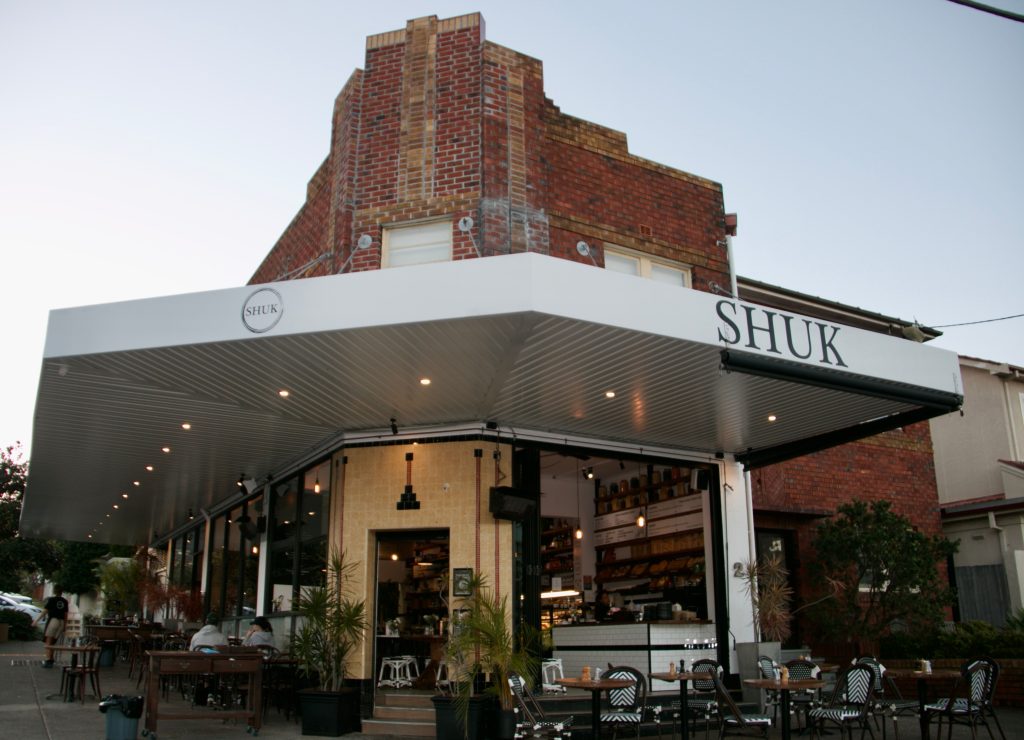
Why Combine Signage With Your Awning?
- Visibility from both directions. A sign on the awning fascia is seen from across the street, while a sign hanging under the awning catches people walking along the footpath.
- Night time trading. Illuminated signs and soffit lighting keep your shop visible after dark, which matters for cafés, restaurants, pubs and late night retail.
- One job instead of two. Planning the sign, lighting and wiring with the awning avoids drilling into finished linings later and lets the frame be designed for the extra load.
- A consistent look. Sign, fascia colour and lighting can be designed together so the whole shopfront matches your brand.
Types of Awning Signage
Fascia Lettering and Panels
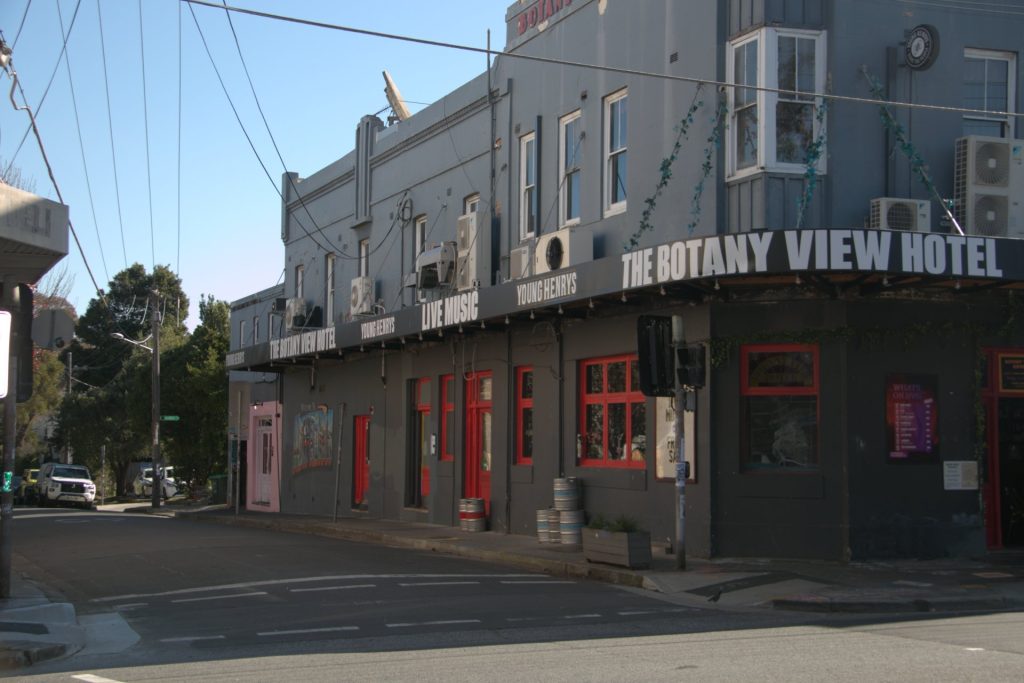
The fascia is the vertical face along the front edge of the awning. Lettering, logos or full length sign panels can be fixed to it, and it is usually the most visible spot from the street. On older buildings the fascia is often the only practical place for a main business sign.
Under Awning Signs and Light Boxes
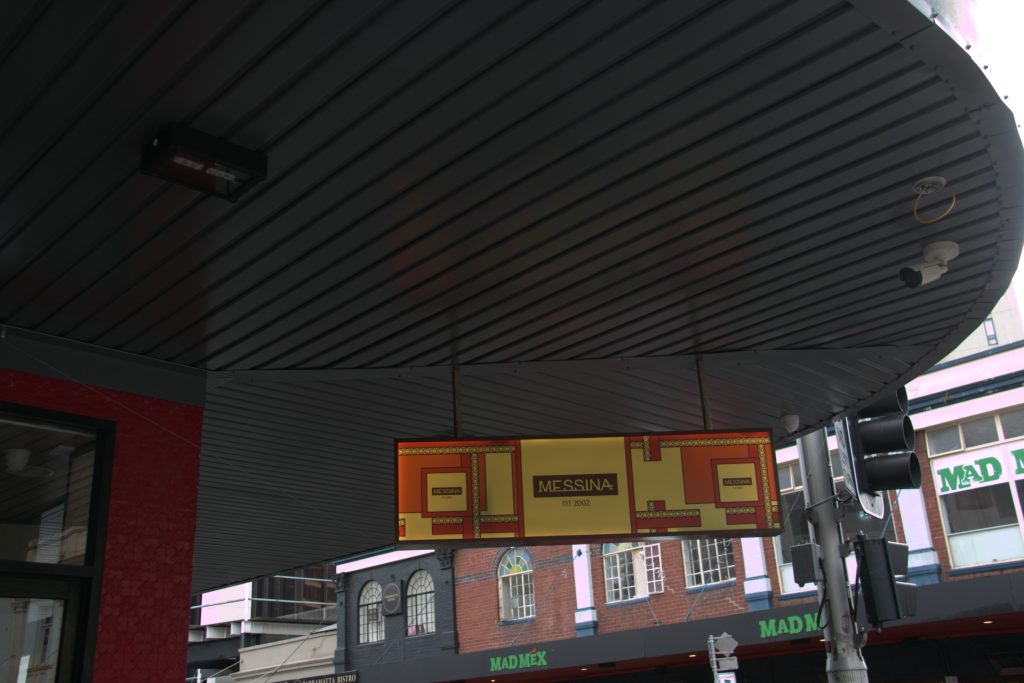
An under awning sign hangs below the awning at a right angle to the shopfront, so people walking along the footpath can see it. Many are illuminated light boxes. They work especially well on busy shopping strips where every awning in the row blocks the view of the shop signs behind it.
Illuminated Soffits and Downlights
Recessed downlights or LED strips in the underside of the awning light up the footpath and your shop windows. They are not a sign as such, but they make the whole shopfront stand out at night. Our guide to LED lighting under shop awnings covers the options in more detail.
NSW Rules for Signs Under Awnings
In NSW, a business identification sign hung under an existing awning can be exempt development, meaning no council approval is needed, but only if it meets every one of the State standards. Based on the NSW Department of Planning guidance on advertising and signage, these include:
- One under awning sign for each ground floor business.
- A maximum size of 1.5 square metres and 2.5 metres in length.
- At least 2.6 metres clearance above ground level.
- The sign must sit at a right angle to the building and must not project beyond the awning fascia.
- Written consent from the owner of the building, and from any adjoining owner if the sign projects over their land.
- Approval under the Roads Act 1993 if any part of the sign projects over a public road or footpath.
If a sign does not meet every standard, it is not exempt and needs approval from council. Heritage items and conservation areas often have extra controls on signage, and many councils also have their own signage rules in their development control plans. Always check with your council before ordering a sign, and see our guide to council approval for shop awnings for how approvals work.
Structural and Electrical Checks
- Weight and wind load. A light box adds weight and catches wind. The awning frame, fixings and tie rods must be able to carry it, which is especially important on older suspended awnings. If in doubt, an engineer should check it. Read how awning engineering certification works.
- Licensed electrician. Any illuminated sign or lighting must be wired by a licensed electrician, with cabling run neatly through the awning.
- Waterproofing. Every fixing through the fascia or soffit is a possible leak point and must be sealed properly.
- Access for maintenance. Light boxes need globe changes and cleaning, so plan safe access from the start.
Planning a New Shopfront? A Quick Checklist
- Decide what you need people to see from the street and from the footpath.
- Check your lease and get the building owner’s consent.
- Confirm council rules, including any heritage controls.
- Plan lighting and wiring with the awning, not after it.
- Make sure the awning can carry the sign safely.
We design and build commercial and shop front awnings across Sydney, with signage, lighting and soffits built in. We can also organise your sign to be made and installed as part of the job, working with our sign partner and a licensed electrician so it all fits together.
Frequently Asked Questions
Do I need council approval for a sign under my shop awning?
Not always. In NSW a business identification sign under an existing awning can be exempt development if it meets every standard, including one sign per ground floor business, a maximum of 1.5 square metres and 2.5 metres long, and at least 2.6 metres clearance above the footpath. If it does not meet every standard, it needs council approval.
Can a light box be fitted to an existing awning?
Usually, yes, but the awning must be able to carry the extra weight and wind load, and the wiring must be done by a licensed electrician. On older suspended awnings we check the frame and fixings first.
How high does an under awning sign need to be?
The NSW standard for exempt under awning signs requires at least 2.6 metres clearance above ground level, so people can walk underneath safely.
Is it cheaper to add signage when the awning is built?
In most cases, yes. Planning the sign, lighting and wiring with the awning avoids drilling into finished linings later and lets the frame be designed for the extra load.
Talk to Us About Your Shopfront
Planning a new awning with signage, or adding a sign or lighting to an existing one? Contact us to book a free on-site inspection and quote.