
Repair or Replace? Assessing Awning Damage
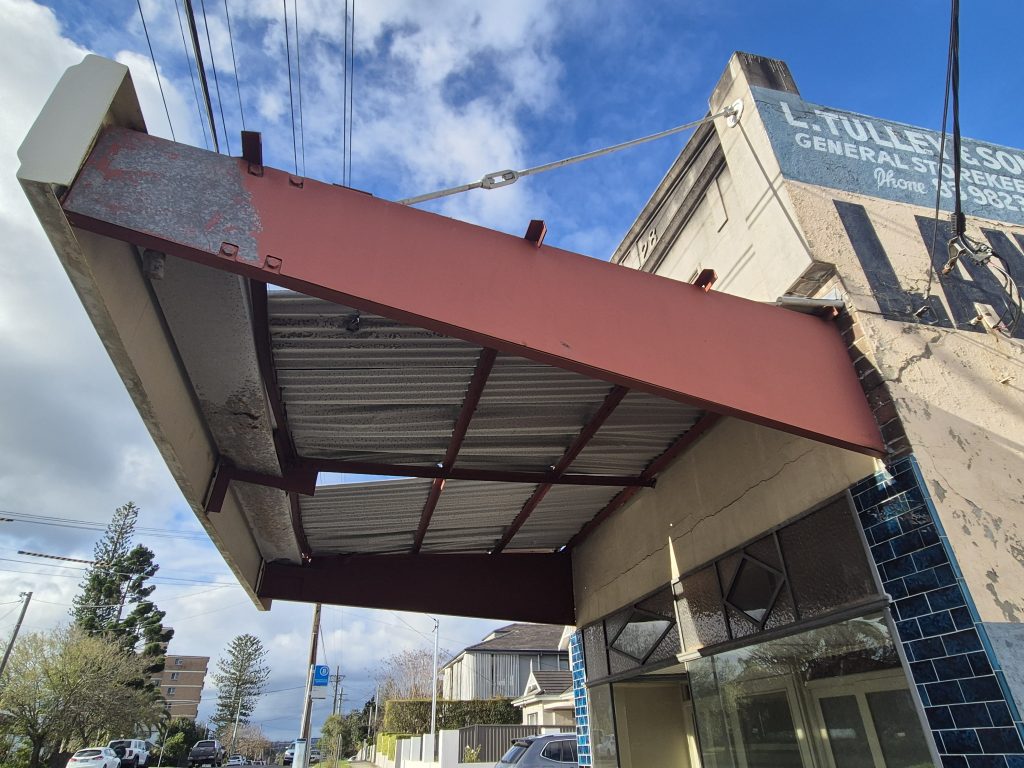
Repair or Replace? Assessing Awning Damage Heritage Awning Damage Awning damage falls into two categories: fabric/cosmetic and frame/structural. Which category applies determines whether repair is viable or replacement is required. Fabric and Cosmetic Damage Tears, loose seams, UV fading, staining and surface rust on visible hardware are generally repairable, patched, re-stitched, cleaned or spot-replaced, without affecting the frame. If the underlying structure is sound, repair is the appropriate response. Frame and Structural Damage Bent support arms, corroded brackets, worn tie rods and cracking at weld points affect load capacity, not just appearance. Localised corrosion or minor misalignment is typically repairable. Extensive rust, corrosion or genuine structural compromise is not, repair in these cases is a temporary fix on a problem that will resurface. Cost and Frequency Thresholds Repeated repairs on the same awning within a short period indicate the structure is past economical repair. Recurring water damage or mould after cleaning points to an underlying drainage or structural fault, not a cleaning issue, and warrants inspection rather than further cleaning. Awning Damaged by Heavy Vehicle Certification-Driven Replacement Where a structural inspection identifies load-bearing corrosion, tie rods outside safe tension, or eye bolts failing proof-load testing, this is a compliance issue rather than a discretionary repair decision. The awning cannot remain in service until the fault is rectified or the unit is replaced. Heritage Considerations Heritage-listed buildings require restoration using matching materials and profiles rather than default replacement, even where replacement would otherwise be simpler. This must be established before assuming replacement is the correct path. A structural inspection, assessing frame, fixings and structural components separately from fabric condition, is the only reliable way to determine which category applies. Contact Shop Awning Repairs Sydney for an inspection and written quote on repair versus replacement. Related Reading Awning Maintenance: The Ultimate Guide Shop Awning Installation Cost in Sydney: 2026 Price Guide Heavy Vehicle Hit Your Awning? Or visit our awning services page for more detail for the full range of repair, maintenance and installation work we handle. Damaged Tie Rod Anchor Plate Click here
Heavy Vehicle Hit Your Awning?
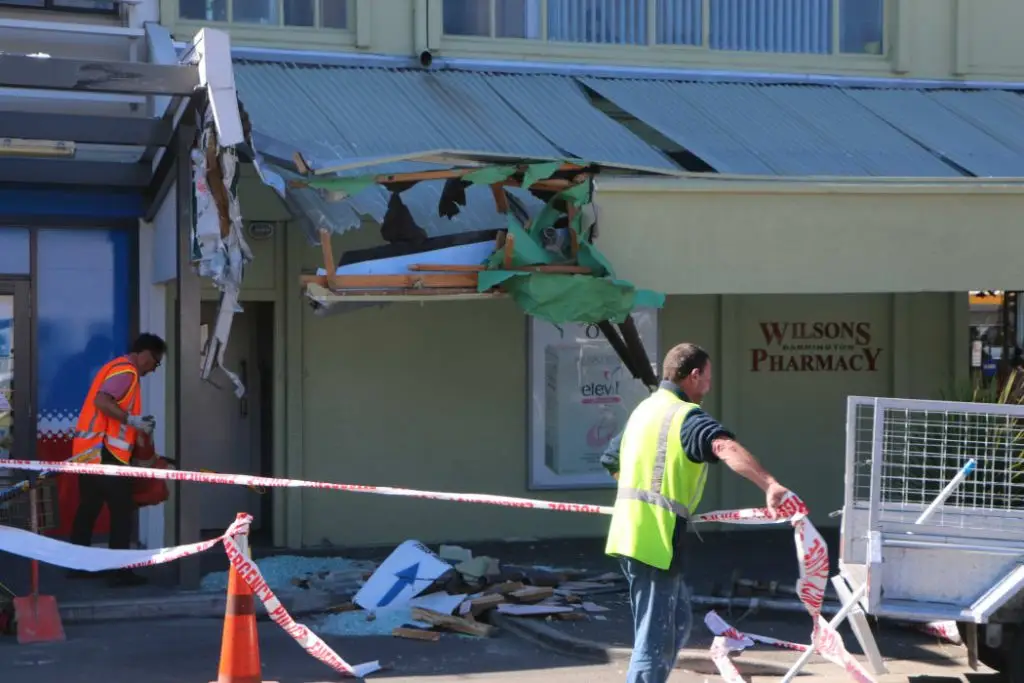
Heavy Vehicle Hit Your Awning? Here’s What to Do, From Impact to Repair Sydney’s busy retail strips see plenty of heavy vehicle traffic, delivery trucks, buses and reversing vans all sharing tight spaces with shopfronts. It doesn’t take much for one of them to clip or crash into an awning. When it happens, what you do in the hours and days after matters, for your safety, your legal position, and how quickly your shopfront gets back to normal. Here’s the step-by-step process, from the moment of impact through to a fully repaired and certified awning. Check for injuries and call 000 if needed. Safety comes first. If anyone is hurt, or fuel, debris or an unstable structure poses an immediate danger, call emergency services before doing anything else. Secure the area. A damaged awning can continue to sag, drop debris or collapse further. Cordon off the footpath beneath it, keep staff and customers clear, and don’t let anyone re-enter the area until it’s been assessed. Report the crash to police. Call the Police Assistance Line (131 444), or 000 if it’s urgent, particularly where there’s significant property damage causing a hazard, or the vehicle has left the scene without exchanging details. Document the damage thoroughly. Photograph and video the awning, the vehicle, and the surrounding area from multiple angles. Record the vehicle’s registration, the driver’s details and insurer, and take contact details from any witnesses. Notify your insurer. Lodge a claim as soon as possible. In most shopfront collision cases, the at-fault driver’s insurer is liable for the damage, but your own insurer can still help manage the claim and coordinate next steps. Arrange a structural engineer assessment. For awnings over public footpaths, NSW councils require sign-off from a National Engineering Register (NER) registered structural engineer confirming the structure is safe before it’s used again. Check council requirements. If the awning sits over public land or the building is heritage-listed, repairs or rebuilding may need council approval, a road permit, or a heritage compliance review before work begins. Get a written quote from a specialist. Engage an experienced awning repair contractor to inspect the damage and provide a full written quote, covering structural repair, re-cladding or replacement as needed. Complete repairs and obtain certification. Once repairs are carried out, the structural engineer certifies the completed work, satisfying council requirements and confirming the awning is safe to use. Reopen with confidence. With repairs finished and certification in hand, your shopfront is back in business, safe, compliant, and looking the part. A heavy vehicle strike is stressful, but the right process protects you, and getting a specialist involved early makes the whole thing move faster. Contact Shop Awning Repairs Sydney For emergency assistance. Related Reading Emergency Awning Repairs in Sydney: Fast Action for Storm, Wind, and Impact Damage Insurance Claim Support for Awning Damage: A Sydney Property Owner’s Guide Repair or Replace? Assessing Awning Damage Or browse everything we offer on our services page for the full range of repair, maintenance and installation work we handle. The Wilsons Pharmacy awning after a vehicle impact, with workers clearing debris behind hazard tape.


