
Strata Managers & Class 2 Buildings: How the NSW DBP Act Affects Your Next Awning Repair
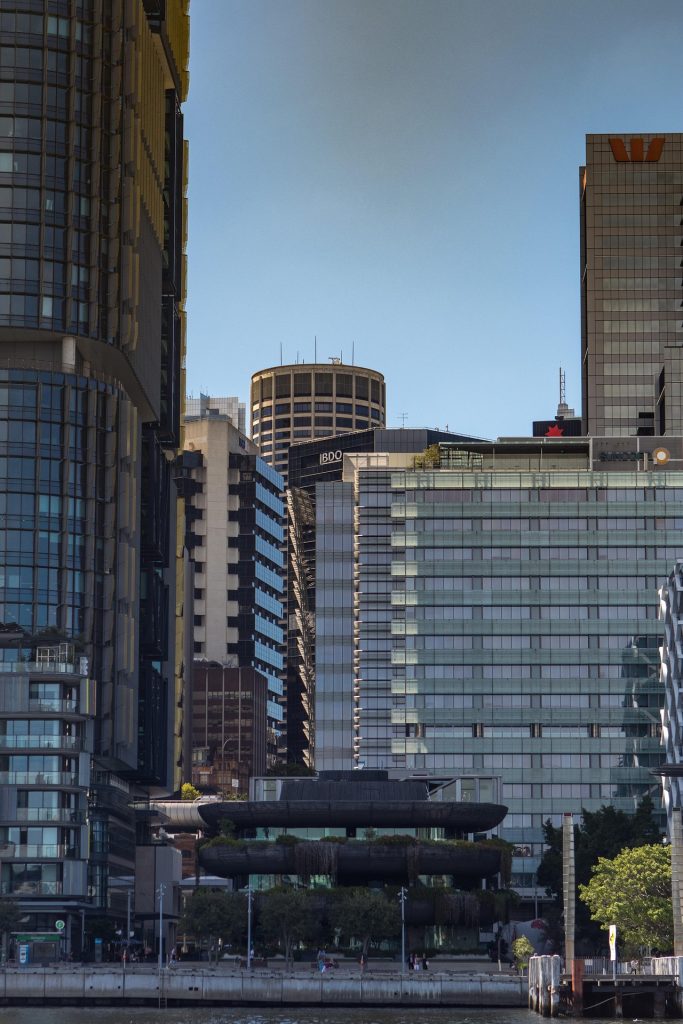
Strata Managers & Class 2 Buildings: How the NSW DBP Act Affects Your Next Awning Repair For strata managers and commercial property syndicates overseeing mixed-use or multi-story residential buildings in Sydney, a simple awning repair is no longer just a matter of hiring a local handyman. If a street-level retail awning is attached to a building with residential apartments above it, the structure is legally classified as a Class 2 building. Under the strict framework of the NSW Design and Building Practitioners (DBP) Act 2020, structural remedial work on these properties triggers complex statutory obligations. Understanding how the DBP Act applies to your next facade or shopfront awning project is critical to avoiding heavy non-compliance penalties. What is the NSW DBP Act? Enacted as part of the NSW Government’s comprehensive building reform package, the Design and Building Practitioners Act 2020 was introduced to overhaul the building and construction industry, restore public confidence, and eliminate severe building defects. The Act fundamentally changed accountability in NSW by introducing: A Strict Statutory Duty of Care: Anyone performing construction work, structural engineering, or design documentation now owes a non-delegable duty of care to current and subsequent land owners to avoid economic loss caused by defects. Crucially, this liability applies retrospectively for up to 10 years from the Act’s commencement. Mandatory Practitioner Registration: It establishes an elite, regulated system requiring all designers, engineers, and building contractors working on regulated buildings to be formally qualified, insured, and state-registered. Regulated Designs & Declarations: It mandates that critical ‘building elements’ which explicitly include structural components, fire safety systems, and waterproofing cannot be built or repaired without fully declared engineering drawings lodged before construction begins. The Class 2 Regulatory Framework for Awnings The DBP Act applies to any structural alterations, waterproofing, or load-bearing modifications performed on a building that contains a Class 2 component—even if the physical work is strictly limited to the ground-floor commercial storefront. Because awnings extending over public footpaths are structurally integrated into a building’s primary frame or building enclosure, executing structural rectifications triggers a rigid compliance workflow: Regulated Designs: Before physical work begins, a registered Design Practitioner must draft detailed engineering plans that demonstrate absolute compliance with the Building Code of Australia (BCA). Design Compliance Declarations: The Design Practitioner must formally declare that the plans meet all relevant Australian structural standards. The NSW Planning Portal: These declared designs must be formally lodged via the online NSW Planning Portal before the building practitioner is legally allowed to turn a single bolt on-site. Why Basic Installers Cannot Touch Class 2 Awnings Most traditional awning installers or canvas fabric replacement companies are completely unlicensed under the DBP framework. They lack the structural engineering capacity and the mandatory Class 2 Building Practitioner registration required to declare building compliance. Under the Design and Building Practitioners Regulation 2021, any structural contractor working on a regulated building must hold a valid, class-specific registration, maintain robust professional indemnity insurance, and successfully log mandatory continuing professional development (CPD) points. The Liability Risk: If a strata scheme engages an unregistered contractor to repair a compromised cantilevered awning beam or a rusted tie-rod connection, the asset owners face major statutory fines. Furthermore, Building Commission NSW holds the power to issue immediate Stop Work orders or rectification orders, entirely stalling the project and multiplying strata expenses. A Step-by-Step Compliance Checklist for Strata Boards To protect your scheme from regulatory exposure during an awning restoration, ensure your project team adheres to this structural workflow: Verify Class 2 Registration: Prior to signing any remedial building contract, demand the contractor’s official Building Practitioner registration number and verify their status directly via the NSW Government register. Appoint an NER Structural Engineer: Ensure a National Engineering Register (NER) professional conducts the initial diagnostic load-testing and signs off on the regulated design drawings. Incorporate Waterproofing Controls: Awning connections frequently puncture the building’s external waterproofing envelope. Ensure your practitioner implements compliant flashing and sealing details that prevent long-term water ingress into the core structure. Secure the Final Building Compliance Declaration: Upon practical completion, the registered Building Practitioner must submit a final compliance declaration through the Planning Portal to formally close out the project with your Principal Certifier. For deeper insights into managing structural building defects and council compliance orders, explore our technical guides on navigating Sydney CBD Commercial Awning Challenges or handling emergency Heavy Vehicle Awning Impacts.
Strata and Commercial Awning Compliance Guide
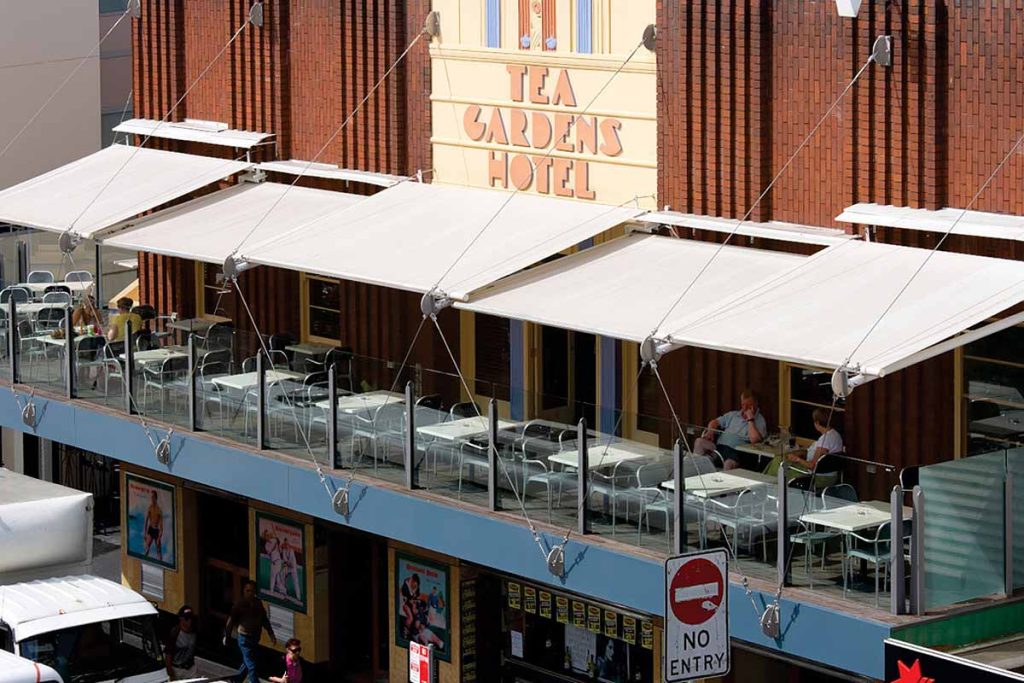
Strata and Commercial Awning Compliance Guide Awnings over footpaths and common property carry ongoing compliance obligations that sit with the owners corporation or commercial building owner, not just the original installer. These obligations cover structural certification, load testing, council approval and duty of care, and they apply for the life of the awning, not only at installation. Structural Certification Most Sydney councils require awnings projecting over public footpaths to hold current structural certification confirming the frame, fixings and footings meet load requirements. Certification must be issued or verified by a suitably qualified structural engineer, and councils can request evidence of certification at any time, particularly after a complaint, an incident, or a development application on the site. Eye Bolt and Cantilevered Load Testing Where an awning is supported by eye bolts or cantilevered fixings rather than posts, proof-load testing is required to confirm the fixings still carry the certified load. Testing intervals are typically set by the original certification or council condition, commonly every one to five years. A failed eye bolt is a compliance issue, not a maintenance item, and use of the awning may need to be restricted until it is rectified. Duty of Care and Public Liability An owner’s corporation or commercial owner has a duty of care to pedestrians and tenants under common property. A falling panel, corroded bracket or collapsed frame exposes the corporation to negligence claims if maintenance and certification records cannot demonstrate the awning was kept in a safe condition. Current certification and inspection records are the primary evidence in any such claim. Council Approval for Alterations Re-roofing, re-covering, resizing or replacing an awning generally requires council approval, and heritage-listed buildings require conservation approval in addition to standard council sign-off. Works carried out without the correct approval can be subject to a rectification order regardless of build quality. Engaging Licensed Contractors Structural work on awnings should only be carried out by a licensed builder holding the appropriate NSW contractor licence, with Class 2 Building Practitioner registration where the work falls under the Design and Building Practitioners scheme. Strata managers and building owners should request current licence numbers and a certificate of currency for public liability insurance before engaging any contractor. Recommended Inspection Cadence A visual inspection at least annually, a full structural inspection aligned with the certification renewal date, and an immediate inspection after any storm, impact or reported damage. Inspection records should be kept with the strata roll or building compliance file, not just with the contractor. Compliance is an ongoing obligation, not a one-off approval at installation. Keeping certification, load testing and inspection records current is what protects the corporation or owner if the awning is ever questioned by council or an insurer. Contact Shop Awning Repairs Sydney for structural certification, load testing and compliance inspections on strata and commercial awnings. References and Further Reading Strata By-Laws | NSW Government Strata Schemes Management Act 2015 — Section 108, Changes to Common Property Strata Schemes Management Act 2015 — Section 106, Duty to Maintain and Repair Strata Repairs and Maintenance | NSW Government Awning Safety Program | Inner West Council Get Approval for Section 68 Activities | City of Sydney Building Classes and Roles of Professionals | NSW Government
Repair or Replace? Assessing Awning Damage
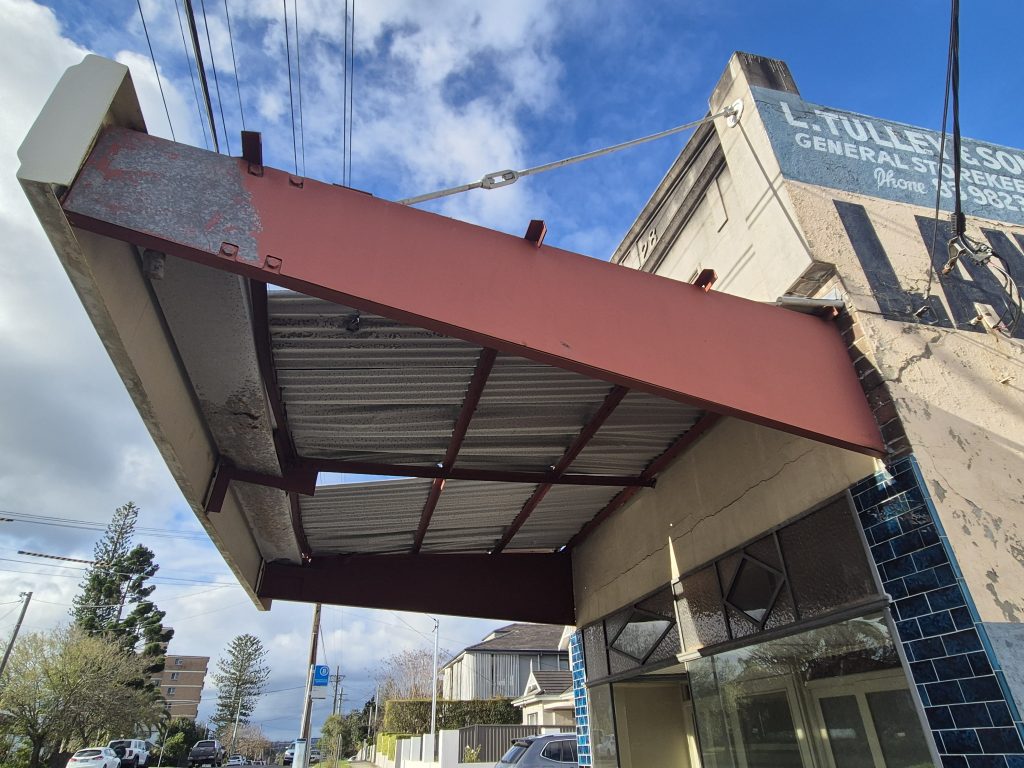
Repair or Replace? Assessing Awning Damage Heritage Awning Damage Awning damage falls into two categories: fabric/cosmetic and frame/structural. Which category applies determines whether repair is viable or replacement is required. Fabric and Cosmetic Damage Tears, loose seams, UV fading, staining and surface rust on visible hardware are generally repairable, patched, re-stitched, cleaned or spot-replaced, without affecting the frame. If the underlying structure is sound, repair is the appropriate response. Frame and Structural Damage Bent support arms, corroded brackets, worn tie rods and cracking at weld points affect load capacity, not just appearance. Localised corrosion or minor misalignment is typically repairable. Extensive rust, corrosion or genuine structural compromise is not, repair in these cases is a temporary fix on a problem that will resurface. Cost and Frequency Thresholds Repeated repairs on the same awning within a short period indicate the structure is past economical repair. Recurring water damage or mould after cleaning points to an underlying drainage or structural fault, not a cleaning issue, and warrants inspection rather than further cleaning. Awning Damaged by Heavy Vehicle Certification-Driven Replacement Where a structural inspection identifies load-bearing corrosion, tie rods outside safe tension, or eye bolts failing proof-load testing, this is a compliance issue rather than a discretionary repair decision. The awning cannot remain in service until the fault is rectified or the unit is replaced. Heritage Considerations Heritage-listed buildings require restoration using matching materials and profiles rather than default replacement, even where replacement would otherwise be simpler. This must be established before assuming replacement is the correct path. A structural inspection, assessing frame, fixings and structural components separately from fabric condition, is the only reliable way to determine which category applies. Contact Shop Awning Repairs Sydney for an inspection and written quote on repair versus replacement. Damaged Tie Rod Anchor Plate Click here
Heritage Awning Styles
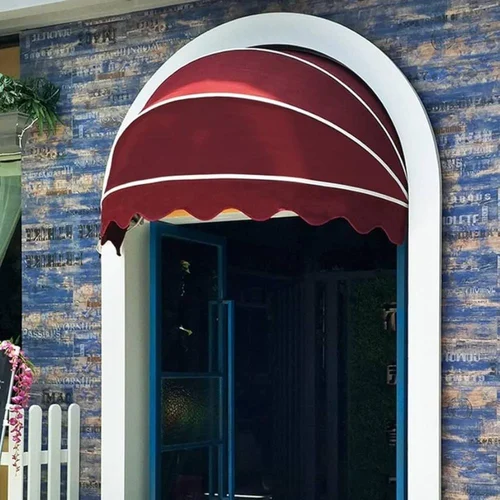
Heritage Awning Styles: Bullnose, Federation, Gabled and Colonial Restoring a heritage awning correctly starts with identifying its style. Roof profile, post type, decorative detailing and roofing material all differ by era, and matching them accurately is what separates genuine restoration from a generic replacement. The following covers the four heritage styles most common on Sydney shopfronts. Bullnose Defined by a curved, convex roof profile, a continuous quarter-circle arc from wall to fascia edge, formed from corrugated steel or Colorbond sheeting rolled to a set radius. Supported by curved steel or timber rafters, often cantilevered, with drainage handled through an integrated box gutter rather than a visible gutter line. Associated with Victorian and Edwardian-era shopfronts. Commonly found in Paddington, Surry Hills, Newtown, Glebe and Balmain. Bullnose Federation A gently sloped, flat-pitched skillion roof rather than a curved profile. Signature decorative timber fretwork or scalloped valance along the leading edge, replacing the cast-iron lacework of the Victorian era. Timber posts, often turned or chamfered, with exposed rafter tails visible underneath. Roof sheeting in corrugated iron, frequently terracotta-toned to match Federation roof tiles. Commonly found in Haberfield, recognised as Australia’s original Federation Garden suburb, along with Ashfield, Croydon, Strathfield and Kogarah. Federation Gabled Distinguished by a triangular gable or pediment section breaking the roofline, typically positioned over an entrance, bay window or central bay, paired with a skillion or bullnose roof either side. Decorative timber barge boards and a finial at the gable apex, with timber brackets supporting the projecting section. Found across both Victorian and Federation-era buildings. Commonly found in Haberfield, Leichhardt, Erskineville and Redfern. Gabled Colonial The plainest and earliest of the heritage styles, a simple flat or gently pitched roof with minimal to no ornamentation, prioritising basic shelter over decoration. Plain timber posts, untouched by the turned or fretwork detailing of later styles, and corrugated iron or timber shingle roofing. Found on Sydney’s oldest surviving buildings, commonly in The Rocks, Millers Point and Parramatta. Colonial Whatever the style or era, Shop Awning Repairs Sydney finds the right solution to any heritage awning issue, matching original materials, profiles and detailing rather than defaulting to a generic modern replacement, and managing council or conservation approval along the way. Contact Shop Awning Repairs Sydney for an inspection and quote on your heritage awning.
Awning Maintenance: The Ultimate Guide
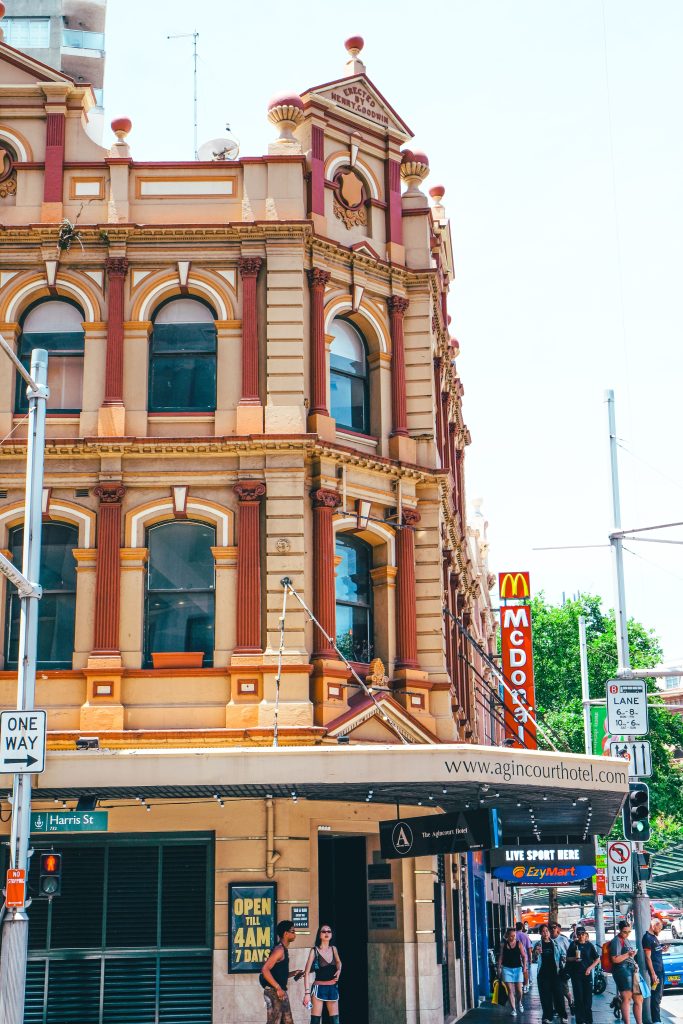
Awning Maintenance: The Ultimate Guide Awnings are structural assets exposed to continuous environmental load: UV radiation, wind loading, salt air and moisture cycling. Left unmanaged, these factors accelerate fabric degradation, frame corrosion and hardware failure. The following covers the technical maintenance requirements across every component of a retail, commercial or heritage awning system. Frame and Structural Components Inspect metal framing for corrosion, particularly at weld points and fixings, given accelerated corrosion rates in coastal and salt-air environments. Check support arms and joints for fatigue cracking or deformation under load. Inspect roof components, sheeting, capping and roof-to-frame fixings, for corrosion, denting or water ingress at laps and penetrations. Verify tie rods for correct tension, thread wear and connection-point integrity, replacing where corrosion or elongation has reduced load capacity. Confirm brackets and anchor points into the building facade remain within tension and corrosion tolerances. Mechanical and Hardware Lubricate pivot points, hinges and retraction mechanisms with dry silicone spray on an annual cycle. Inspect springs, cables and pulley systems on retractable units for tension loss or wear. On motorised systems, check for motor noise, alignment drift or slow actuation; avoid direct pressure-washing of motor housings. Weather and Environmental Protocols Retract or secure awnings ahead of forecast high wind or storm loading to prevent structural overload. Reopen post-rain to allow full drying. Clear debris and standing water from integrated drainage channels. Manage adjacent vegetation to prevent abrasive or chemical contact with fabric and frame. Fabric and Cover Wash fabric surfaces with mild detergent and water; use diluted non-chlorine bleach for mould or staining. Avoid high-pressure washing directly on seams or stitching. Inspect for UV degradation, fraying, and tear propagation at stress points. Ensure fabric is fully dry before retraction to prevent mildew formation. Cleaning Remove salt deposition, particulate grime and biological staining on a scheduled basis, at higher frequency in coastal or high-traffic commercial zones. Maintain signage and branding legibility as part of routine cleaning. Compliance and Certification Awnings over public footpaths require periodic structural certification by a National Engineering Register (NER) registered engineer, per council requirements. Eye bolts and cantilevered support systems require proof-load testing and certified documentation. Heritage-listed structures require council or conservation approval prior to component replacement or structural alteration. Inspection Schedule Conduct visual checks quarterly. Schedule full professional structural and mechanical inspection annually as a minimum, increasing frequency for commercial and heritage installations, and immediately following storm events or impact damage. Contact Shop Awning Repairs Sydney for inspection, certification or scheduled maintenance.
Heavy Vehicle Hit Your Awning?
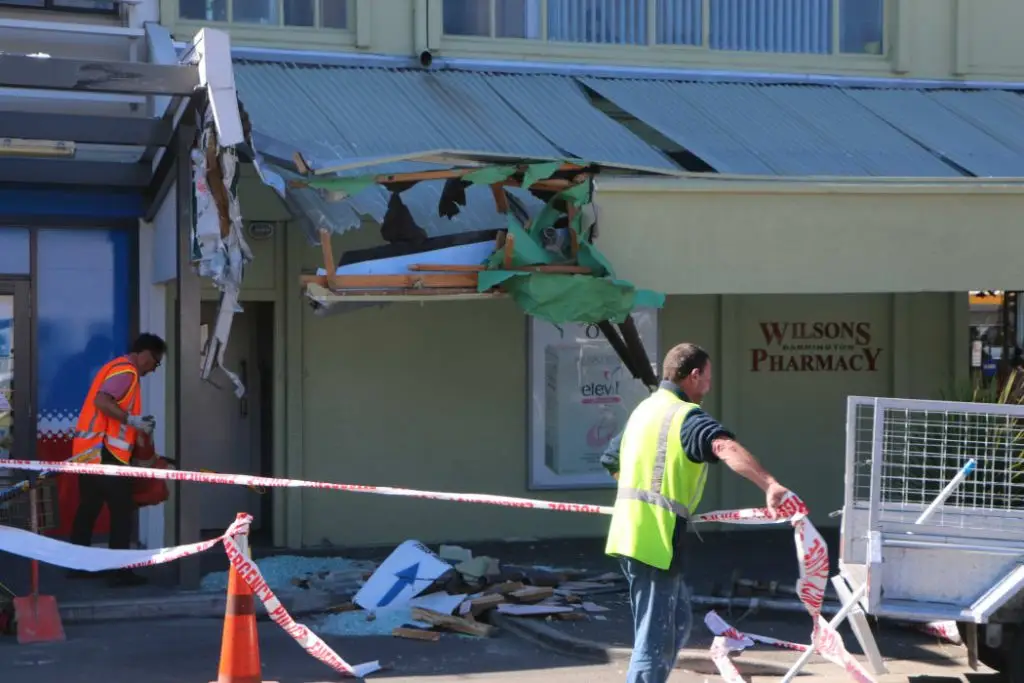
Heavy Vehicle Hit Your Awning? Here’s What to Do, From Impact to Repair Sydney’s busy retail strips see plenty of heavy vehicle traffic, delivery trucks, buses and reversing vans all sharing tight spaces with shopfronts. It doesn’t take much for one of them to clip or crash into an awning. When it happens, what you do in the hours and days after matters, for your safety, your legal position, and how quickly your shopfront gets back to normal. Here’s the step-by-step process, from the moment of impact through to a fully repaired and certified awning. Check for injuries and call 000 if needed. Safety comes first. If anyone is hurt, or fuel, debris or an unstable structure poses an immediate danger, call emergency services before doing anything else. Secure the area. A damaged awning can continue to sag, drop debris or collapse further. Cordon off the footpath beneath it, keep staff and customers clear, and don’t let anyone re-enter the area until it’s been assessed. Report the crash to police. Call the Police Assistance Line (131 444), or 000 if it’s urgent, particularly where there’s significant property damage causing a hazard, or the vehicle has left the scene without exchanging details. Document the damage thoroughly. Photograph and video the awning, the vehicle, and the surrounding area from multiple angles. Record the vehicle’s registration, the driver’s details and insurer, and take contact details from any witnesses. Notify your insurer. Lodge a claim as soon as possible. In most shopfront collision cases, the at-fault driver’s insurer is liable for the damage, but your own insurer can still help manage the claim and coordinate next steps. Arrange a structural engineer assessment. For awnings over public footpaths, NSW councils require sign-off from a National Engineering Register (NER) registered structural engineer confirming the structure is safe before it’s used again. Check council requirements. If the awning sits over public land or the building is heritage-listed, repairs or rebuilding may need council approval, a road permit, or a heritage compliance review before work begins. Get a written quote from a specialist. Engage an experienced awning repair contractor to inspect the damage and provide a full written quote, covering structural repair, re-cladding or replacement as needed. Complete repairs and obtain certification. Once repairs are carried out, the structural engineer certifies the completed work, satisfying council requirements and confirming the awning is safe to use. Reopen with confidence. With repairs finished and certification in hand, your shopfront is back in business, safe, compliant, and looking the part. A heavy vehicle strike is stressful, but the right process protects you, and getting a specialist involved early makes the whole thing move faster. Contact Shop Awning Repairs Sydney For emergency assistance.
Shop Awnings
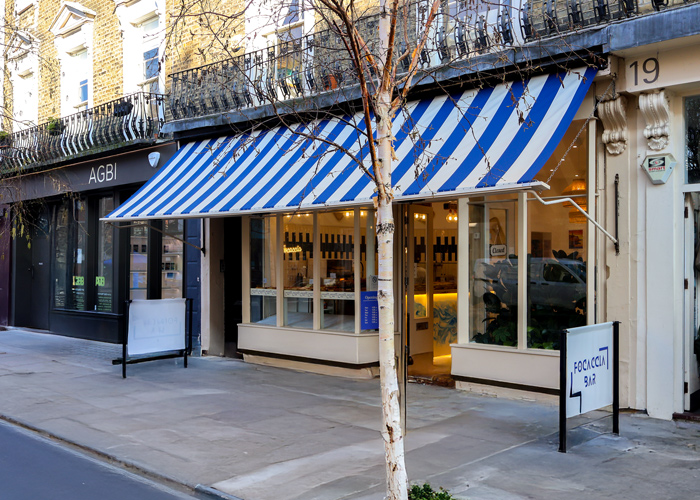
Shop Awnings A shop awning is one of the most practical investments a retail business or commercial building owner can make. Walk down any busy shopping strip and you’ll notice that the shopfronts doing the best business almost always have a well-maintained shop awning out front. It’s easy to dismiss a shop awning as a cosmetic detail, but for retail shops and commercial buildings, a good shop awning does far more than look nice, it protects, attracts, and pays for itself over time. Here’s why every retail storefront should have one. Protecting Your Storefront and Stock Sun exposure fades signage, warps timber fixtures, and can bleach the colour out of window displays within months. Rain and hail bring their own risks, from water pooling at entryways to damaged fabric on a poor-quality shop awning. A quality shop awning shields shopfronts, window displays, and merchandise from the elements, extending the life of everything from paint and signage to the products in your window. For any retail business, a durable shop awning is cheap insurance against weather damage. Keeping Customers Comfortable Retail is a business of foot traffic, and foot traffic slows down or speeds up based on comfort. A shop awning creates shade on hot Sydney days and shelter during sudden downpours, giving customers a reason to pause, browse, and linger rather than duck past a hot, glaring storefront. That extra minute of comfort under a shop awning often translates directly into a customer walking in the door. Cutting Energy Costs Direct sun on a glass storefront turns the inside of a shop into a greenhouse, forcing air conditioning to work harder. A well-positioned shop awning blocks direct sunlight from hitting windows and doors, reducing indoor heat gain and easing the load on cooling systems. Over a full Sydney summer, a shop awning can mean a noticeable dip in energy bills for retail shops and commercial buildings alike. Strengthening Your Brand with a Shop Awning A shop awning is prime real estate for your business name, logo, and colours. It’s visible from the street, day and night, and a well-branded shop awning gives a shopfront a finished, professional look that bare brick or glass simply can’t match. For commercial buildings with multiple tenancies, coordinated shop awnings also create a cohesive, well-kept streetscape that reflects well on every business inside. Extending Usable Space Cafes, restaurants, and retailers with outdoor seating or display areas rely on a shop awning to make that space usable year-round. Without cover, outdoor seating empties out the moment it rains or the sun gets too strong. With a shop awning in place, that space becomes an extension of the shop itself, adding capacity without adding square metreage. Protecting the Building Structure Beyond aesthetics, a shop awning helps protect entryways, doors, and window frames from prolonged weather exposure, reducing wear on seals, hinges, and paintwork. For commercial landlords, a well-maintained shop awning means fewer maintenance callouts and a longer lifespan for the building’s façade. The Bottom Line on Shop Awnings A shop awning isn’t just a shade sail with a logo on it. It protects stock and signage, keeps customers comfortable, lowers energy costs, reinforces your brand, and adds usable space to your business. For retail shops and commercial buildings alike, a shop awning is a small structure that does a lot of heavy lifting. If your shop awning is looking tired, sagging, or damaged, it’s worth getting it assessed rather than waiting for a bigger repair bill down the track. A well-maintained shop awning keeps paying for itself in comfort, protection, and street presence. Further reading: Commercial Awning Repairs Sydney – Archives
Commercial Awning Repairs in Sydney CBD: Why they are Uniquely Challenging

Commercial Awning Repairs in the Sydney CBD: Why They Are Uniquely Challenging Commercial awning repairs are in growing demand across the Sydney CBD as the city centre changes fast. Hybrid work, fluctuating foot traffic, ageing building stock and competition from fringe precincts are reshaping city retail. Vacancy rates are falling and demand is recovering, but insolvencies are rising and rents remain volatile. In that environment a CBD shop awning matters more than ever: it attracts customers, protects pedestrians and reinforces brand identity. Installing or maintaining one in the Sydney CBD is rarely simple, which is exactly why specialist commercial awning repairs are worth doing properly. Why awnings are essential in the Sydney CBD Pedestrian comfort: shade, shelter and a better street-level experience on the CBD’s walkable strips. Brand visibility: standing out in dense retail corridors around George Street, Pitt Street and the laneways. Weather protection: shielding entrances from rain and sun and cutting slip hazards. Urban character: awnings are part of the architectural identity of Sydney’s heritage streetscapes. Key challenges of Sydney CBD awnings Ageing building stock: many CBD facades are decades or a century old and were not designed for modern awning loads. Fixing points may be deteriorated, and engineers must assess load paths, corrosion and facade integrity, with hidden defects such as rusted steel, rotten timber or cracked masonry often surfacing mid-project. Compliance and permits: the Sydney CBD carries stricter rules than the suburbs. Projects can need development applications, structural certification, heritage impact statements, public domain approvals and pedestrian management plans. Installation constraints: heavy foot traffic often forces night works, traffic control, compliant hoarding or scaffolding and restricted delivery hours. Economic pressure: financially stretched retailers may defer maintenance, choose cheaper materials or inherit unsafe awnings from previous tenants, which is why well-timed commercial awning repairs frequently beat full replacement. Heritage restrictions: Sydney’s conservation controls can dictate materials, colours, profiles, fixing methods including tie-rod replacement, and whether signage is allowed. Wind and weather: tall towers and narrow CBD streets create wind-tunnel effects, so awnings face high uplift, sudden gusts, rain pooling and UV, demanding more stringent engineering than suburban jobs. Infrastructure coordination: work must be designed around street trees, lighting, CCTV, light rail wires, signage poles and public art, often triggering extra approvals or redesigns. Approvals in the city centre are administered by the City of Sydney, which publishes its own controls, and each approval adds time to the program. Conclusion Awnings in the Sydney CBD are part of the public realm, the retail economy and the safety infrastructure of busy streets, not just decoration. Ageing buildings, regulatory complexity, economic pressure and logistical constraints make CBD awning work uniquely demanding. The key is to plan early, engage qualified engineers and understand the regulatory landscape before committing to a design. If your shopfront awning needs assessment, certification or repair, our team specialises in commercial awning repairs across the Sydney CBD and beyond. Contact Shop Awning Repairs Sydney to discuss your site. Sources and further reading City of Sydney, Awnings and signage controls City of Sydney, Awnings Policy Roads Act 1993 (NSW), s 142, NSW Legislation Practice Note No. 18, Inspection and Assessment of Existing Tied Awnings (July 2008), ACSE AS/NZS 1170.2:2021, Structural design actions Part 2: Wind actions, Standards Australia
Retail Shop Awnings in Sydney’s Eastern Suburbs: Managing the Rust Problem
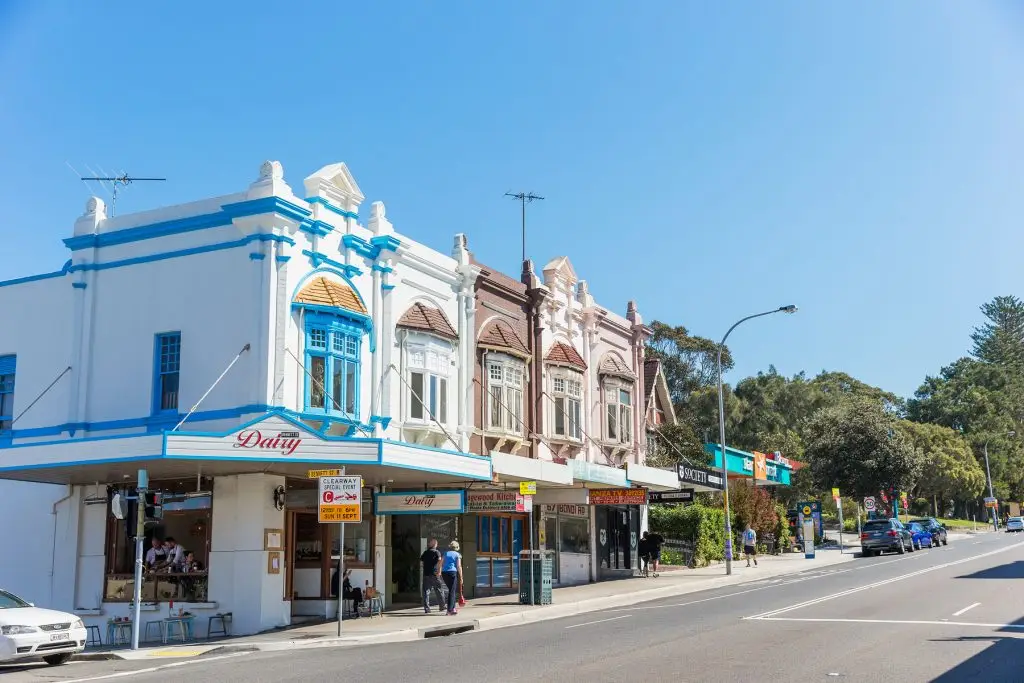
Retail Shop Awnings in Sydney’s Eastern Suburbs: Managing the Rust Problem From Oxford Street and Bondi Junction to Double Bay, Bondi and Coogee, the Eastern Suburbs run dense retail strips beneath shopfront awnings. These awnings are load-bearing structural assets that shade footpaths, carry signage and shelter pedestrians. What sets the Eastern Suburbs apart is the marine environment: salt-laden coastal air makes corrosion the dominant failure mode, and rust, more than any other defect, drives demand for awning repairs in the Eastern Suburbs. As shop awning repairs specialists, we see the same coastal corrosion pattern across the suburb’s retail strips. Why coastal awnings corrode faster Atmospheric corrosivity in Australia is classified under AS 4312. Coastal and surf-zone locations sit in the high to very high categories (broadly C3 to C5), well above inland suburbs. The driver is airborne chloride from sea spray and whitecap activity, which the prevailing easterly and southerly winds carry inland. Chloride is hygroscopic, so it holds moisture against the steel and extends the time of wetness, the single biggest factor in atmospheric corrosion rates. The effect is strongest within roughly one kilometre of surf beaches, which covers much of the Eastern Suburbs retail frontage. Click here How rust attacks an awning Chloride penetrates protective films and coatings, initiating localised pitting rather than uniform loss. On a shopfront awning this concentrates at the most safety-critical elements: Tie rods and hangers: section loss here reduces tensile capacity and can detach a suspended awning. Anchor bolts and wall fixings: corrosion at the anchorage is the classic precursor to collapse. Embedded steel and concrete spalling: expanding corrosion product cracks the surrounding concrete and degrades fixing capacity. Brackets, welds and fascia steel: pitting and crevice corrosion at joints and laps, often hidden behind cladding. Because the worst attack is frequently concealed within hollow sections, behind fascias or at embedded anchors, surface appearance understates the real condition. Rust staining, bubbling paint and rust streaks down the facade are late-stage symptoms, not early warnings. Corrosion rarely stops at the awning. The same airborne chlorides attack the adjoining roofing, box gutters and flashings, so awning restoration in a coastal strip often has to be coordinated with roofing repairs to keep water and salt out of the structure. Preventing and controlling rust Corrosion in a C4 to C5 environment is managed through specification, detailing and maintenance, not a single coat of paint. Match materials to corrosivity: hot dip galvanising to AS/NZS 4680, marine grade 316 stainless fixings, and aluminium where appropriate. Use duplex coating systems: galvanising plus a compatible paint system selected per AS/NZS 2312 for high corrosivity categories, which extends life well beyond either alone. Detail to shed salt and water: avoid crevices, water traps and unsealed laps; provide drainage and falls so deposits wash clear rather than pond. Wash down regularly: periodic fresh-water rinsing of accessible steel removes chloride deposits and is one of the cheapest corrosion controls in a marine zone. Inspect and certify on schedule: engage a NER-registered structural engineer to assess tie rods, anchors, welds and concealed elements, and obtain certification under the relevant council program. Compliance context Under section 142 of the Roads Act 1993 (NSW), the person in control of an awning over a footpath must keep it in a satisfactory state of repair, with inspections guided by Practice Note No. 18. Eastern Suburbs councils such as Randwick City Council run awning safety programs requiring engineer certification, and similar obligations apply across Waverley and Woollahra. In a high-corrosivity coastal zone, the inspection interval and coating maintenance both need to be more frequent than inland. Conclusion In the Eastern Suburbs, rust is not a cosmetic issue but the primary structural risk to retail awnings. Coastal chloride, long time-of-wetness and concealed anchorages mean small amounts of corrosion can compromise safety before they are visible. Specify for the environment, detail to shed salt, wash and inspect regularly, and rectify section loss rather than recoating over it. For specialist awning repairs in the Eastern Suburbs, Shop Awning Repairs Sydney are shop awning repairs specialists covering corrosion inspection, structural certification, awning restoration, rectification, new installs and associated roofing works. Contact us to arrange an assessment. Sources and further reading Australian Steel Institute, Atmospheric corrosivity assessment (AS 4312) Korvest Galvanisers, Atmospheric corrosion resistance Randwick City Council, Awning safety Roads Act 1993 (NSW), s 142, NSW Legislation AS/NZS 2312 Guide to the protection of structural steel against atmospheric corrosion, Standards Australia
Retail Shop Awnings in Parramatta: A Technical Guide for Business Owners
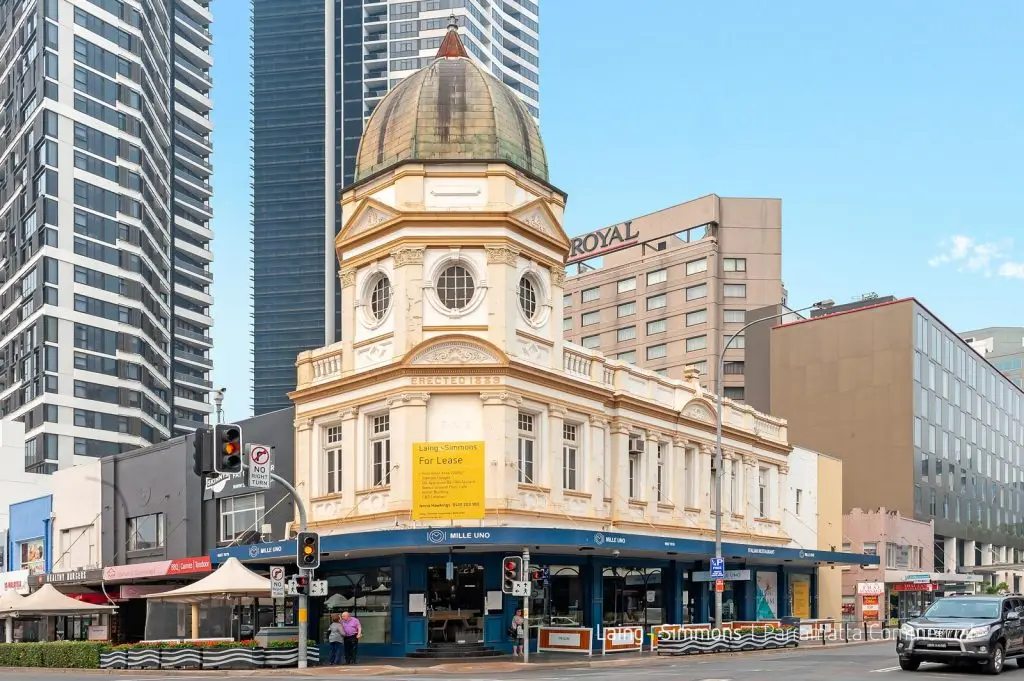
Retail Shop Awnings in Parramatta: A Technical Guide for Business Owners Parramatta is now Sydney’s second CBD, and since the Parramatta Light Rail opened in December 2024 its retail corridors along Church Street, Macquarie Street and the Westfield precinct carry heavier foot traffic and closer regulatory scrutiny. Shopfront awnings are load-bearing structural assets that shade footpaths, carry signage and protect pedestrians, and their integrity degrades without inspection. This guide outlines awning construction, the load environment in Western Sydney, common defects, and the compliance obligations that make awning repairs in Parramatta part of responsible building ownership. Function and load roles Pedestrian protection on high-traffic corridors, now busier with light-rail patronage. Signage and branding loads applied to the fascia. Solar control, reducing heat gain on glazed shopfronts. Weather protection from sun, rain and hail, limiting slip hazards and water ingress. Each role depends on a sound load path. Loss of structural capacity compromises all of them simultaneously. Construction types and load path Suspended (hung): frame cantilevered from the facade and restrained by inclined tie rods or hangers anchored above. Cantilevered: supported entirely by building fixings with no street posts, generating high bending and tension at the anchors. Post-supported: carried by kerb columns, typical of wider frontages. In all cases dead load, wind action and ponded water must transfer into the building through fascia, hangers, tie rods and anchor bolts. The anchorage is the critical link. Click here Parramatta load environment High UV and ambient heat degrade fabric, polycarbonate and coatings; thermal cycling fatigues welds and loosens fixings. Severe storms and hail impose sudden uplift and impact loads. CBD wind loading is amplified by surrounding towers; awnings must satisfy AS/NZS 1170.2 wind actions. Ponding on low-fall roofs and blocked box gutters adds dead load and accelerates corrosion. Atmospheric grime traps moisture against metal and fabric, sustaining corrosion cells. Common defects driving awning repairs in Parramatta Corroded anchors and tie rods: the most safety-critical defect, as anchorage failure detaches the awning. Concrete spalling (concrete cancer): expansion of corroding embedded steel cracks the concrete and degrades fixing capacity. Timber rot: in heritage shopfronts with concealed framing behind the fascia. Fatigue cracking: in welds and brackets from cyclic thermal and wind loading. Sagging awning line: evidence of overloaded or failing supports. Blocked box gutters: ponding, added load and water ingress. Fascia and waterproofing breakdown: bubbling paint, staining and flaking metal. Footpath-visible warning signs include rust staining, peeling paint, dripping or pooling water, rust streaks down the facade, movement in wind, and loose or corroded bolts. Any of these warrants professional assessment. Regulatory obligations Under section 142(1) of the Roads Act 1993 (NSW), the person in control of an awning over a footpath must keep it in a satisfactory state of repair. Inspections follow Practice Note No. 18 (July 2008), which sets inspection scope and frequency. Works to the awning or road reserve generally require approval from the City of Parramatta, and may need a Development Application with structural engineer certification. Owners adjacent to the light-rail corridor must also allow for realigned kerbs, street furniture, overhead wiring and increased pedestrian volumes. Inspection and repair best practice Engage a NER-registered structural engineer to inspect anchors, tie rods, welds, internal beams, brackets and gutters, including concealed elements. Obtain structural certification where the awning is sound, typically valid for five years under Practice Note No. 18. Rectify rather than patch: deep section loss in beams or fixings requires replacement, not recoating. Specify durable materials: galvanised or aluminium framing, marine-grade stainless fixings and UV-stable polycarbonate. Maintain drainage with clear gutters, downpipes and adequate fall. Conclusion As the Parramatta CBD intensifies, awnings carry higher loads under closer scrutiny. Heat, storms, ageing structures and rising foot traffic make routine inspection and timely awning repairs in Parramatta essential to protect the public and limit owner liability. Inspect early, certify integrity, and rectify defects before they become failures. For professional awning repairs in Parramatta, from inspection and certification to rectification and new installs, contact Shop Awning Repairs Sydney to arrange an assessment. References Roads Act 1993 (NSW), s 142, NSW Legislation Practice Note No. 18, Inspection and Assessment of Existing Tied Awnings (July 2008), ACSE AS/NZS 1170.2:2021, Structural design actions Part 2: Wind actions, Standards Australia Parramatta Light Rail Stage 1 (opened December 2024), Transport for NSW Development forms and documents, City of Parramatta
The Significance of Newtown’s Heritage Awnings
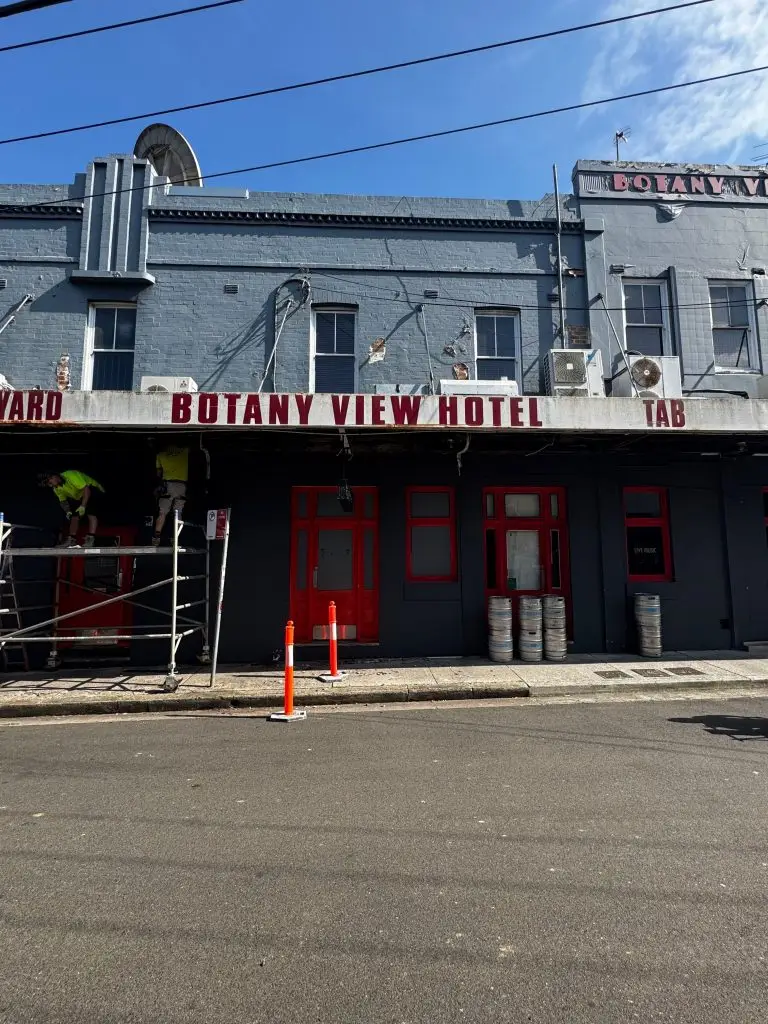
The Significance of Newtown’s Heritage Awnings Walk along King Street in Newtown and one feature ties the streetscape together: the continuous line of shopfront awnings sheltering the footpath. These awnings are more than weather protection. They are a defining part of one of Australia’s most intact Victorian and Federation eras shopping strips, carrying real historical, architectural and social value. One of Australia’s most complete Victorian shopping strips Newtown grew rapidly in the late nineteenth century as the railway pushed development south, leaving a dense run of late Victorian and Federation commercial buildings along King Street and Enmore Road. The strip is widely regarded as one of the longest and most complete precincts of its period in the country, with hundreds of original shopfronts still standing (see Inner West Council and Wikipedia). Click here From posted verandas to cantilever awnings The earliest shelters were posted verandas of timber and iron, with decorative metalwork and pressed metal soffits, held up by posts at the kerb. Through the twentieth century many were replaced with cantilever awnings that hang from the building face without posts. Both forms are now part of the heritage record, and surviving original awnings are treated as significant fabric worth protecting. Why the awnings matter Architecturally, the awning line gives the street its rhythm and human scale. Socially, these awnings have sheltered shoppers and traders for over a century. Practically, they still keep rain and harsh sun off pedestrians and shop windows. Losses such as removed balconies are recognised as a genuine erosion of the area’s character, which is why what remains is valued so highly. Protected by heritage controls Newtown’s main streets sit within heritage conservation areas managed by Inner West Council and, at the north end of King Street, the City of Sydney. Controls aim to protect original significant shopfronts and awnings, and a dedicated heritage paint scheme guides colours above awning level. Where posted verandas survive, they must stay self-supporting if a post is removed, with details certified by a qualified engineer. Caring for a heritage awning Looking after a heritage awning means respecting both its history and its structure. Rust in fixings, corroded steel and tired pressed metal can all undermine a verandah that has stood for generations. Sympathetic repair rather than wholesale replacement keeps the original character intact while restoring strength and safety, and regular inspection and certification help these awnings last another century. If you own or manage a heritage shopfront in Newtown or the wider Inner West, Shop Awning Repairs Sydney can inspect, certify and restore your awning in keeping with its heritage value. Get in touch to arrange an inspection or quote. Sources and further reading Inner West Council, Enmore and Newtown Heritage Conservation Area Inner West Council, Heritage Conservation Areas City of Sydney, Heritage paint scheme for King Street and Enmore Road City of Sydney, Heritage conservation areas repainting guidelines Newtown, New South Wales, Wikipedia


