
Whether a new shop awning needs council approval depends on where it sits and what it covers. Here’s how the exempt development, Section 68 and heritage rules actually work for Sydney shopfronts.
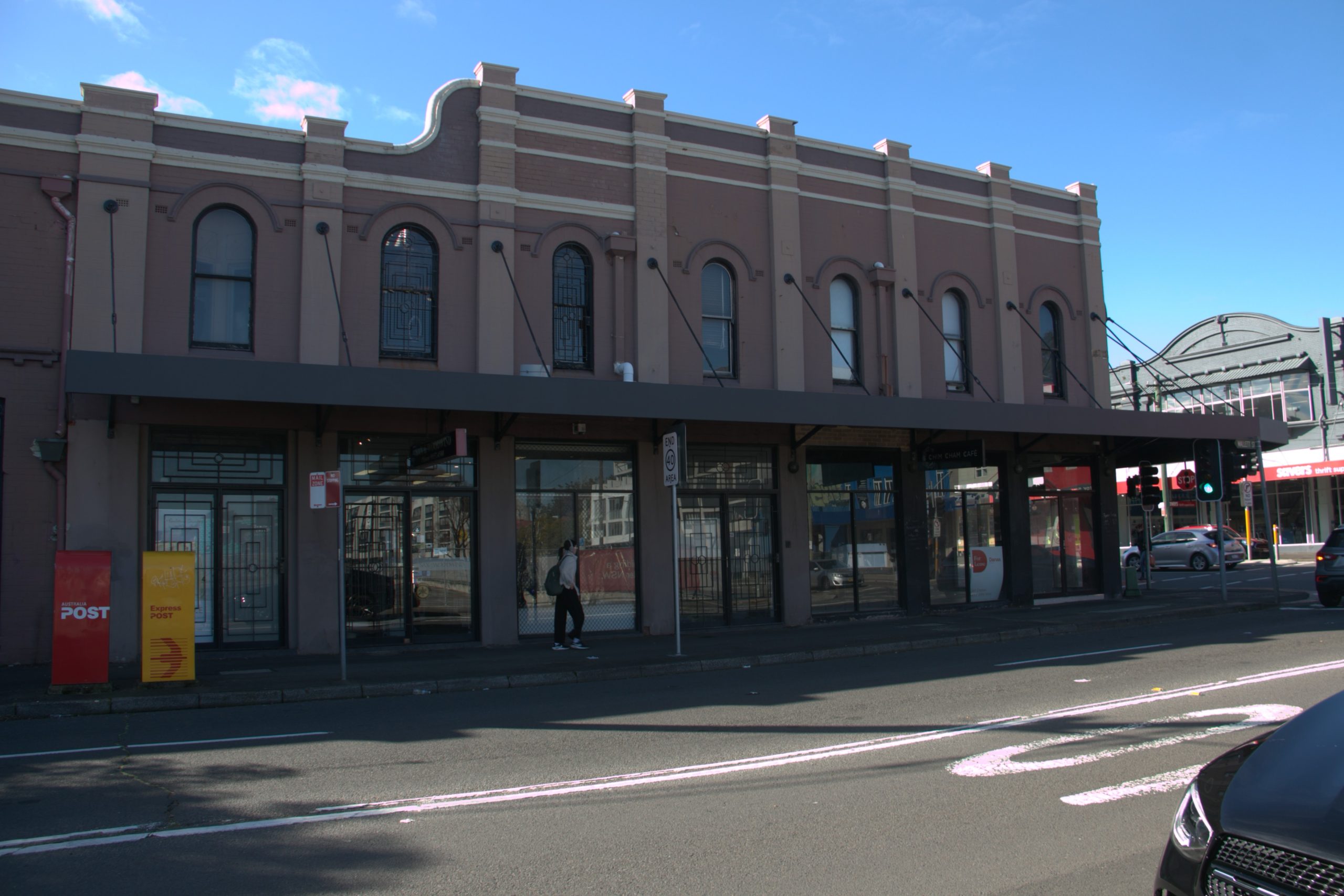
When an awning is exempt development
Most awnings fitted entirely within the boundary of a property, such as over a window or door, are classed as exempt development under the State’s planning rules and do not need council approval, provided they meet standards for height, size and setback. This exemption generally does not extend to heritage items or heritage conservation areas.
When you need footpath (Section 138) approval
If your awning is going to project over a public footpath, as most shopfront canopies do, you will need council approval to build over the road reserve, under Section 138 of the Roads Act 1993 (often alongside Section 68 of the Local Government Act). The application typically requires dimensioned plans showing height above the footpath and setback from the kerb, along with a structural engineer’s certificate for the fixings. Councils generally require this approval before construction can start, so this step needs to happen early in the project.
Heritage buildings and conservation areas
If your building is a heritage item, or sits within a heritage conservation area, exempt development generally does not apply and a full Development Application is required for external work, including a new awning. Council will usually ask for a Heritage Impact Statement addressing how the design affects the building or streetscape. This applies to a large share of Sydney’s older shopping strips, so it’s worth checking your property’s heritage status before finalising a design.
Requirements vary by council
Every Sydney council runs its own Section 68 and development assessment process, with its own application forms, fees and timeframes. What’s straightforward with one council can involve extra documentation with another, particularly around heritage and footpath dining precincts. Checking with your specific council early avoids delays once fabrication is underway.
How we help
Shop Awning Repairs Sydney prepares the structural certification and supporting drawings your council application needs, and can advise upfront on whether your project is likely to be exempt, Section 68, or a full DA. If you’re planning a new awning and are not sure what approval applies, get in touch with our team before you finalise your design.
Related Reading
Or take a look at our full range of services, covering everything from repairs to new builds.