
A new shop awning is a straightforward project once you know the sequence. Here’s what actually happens between your first call and the finished installation, so you know what to expect at each stage.
Step 1: Site assessment and measure
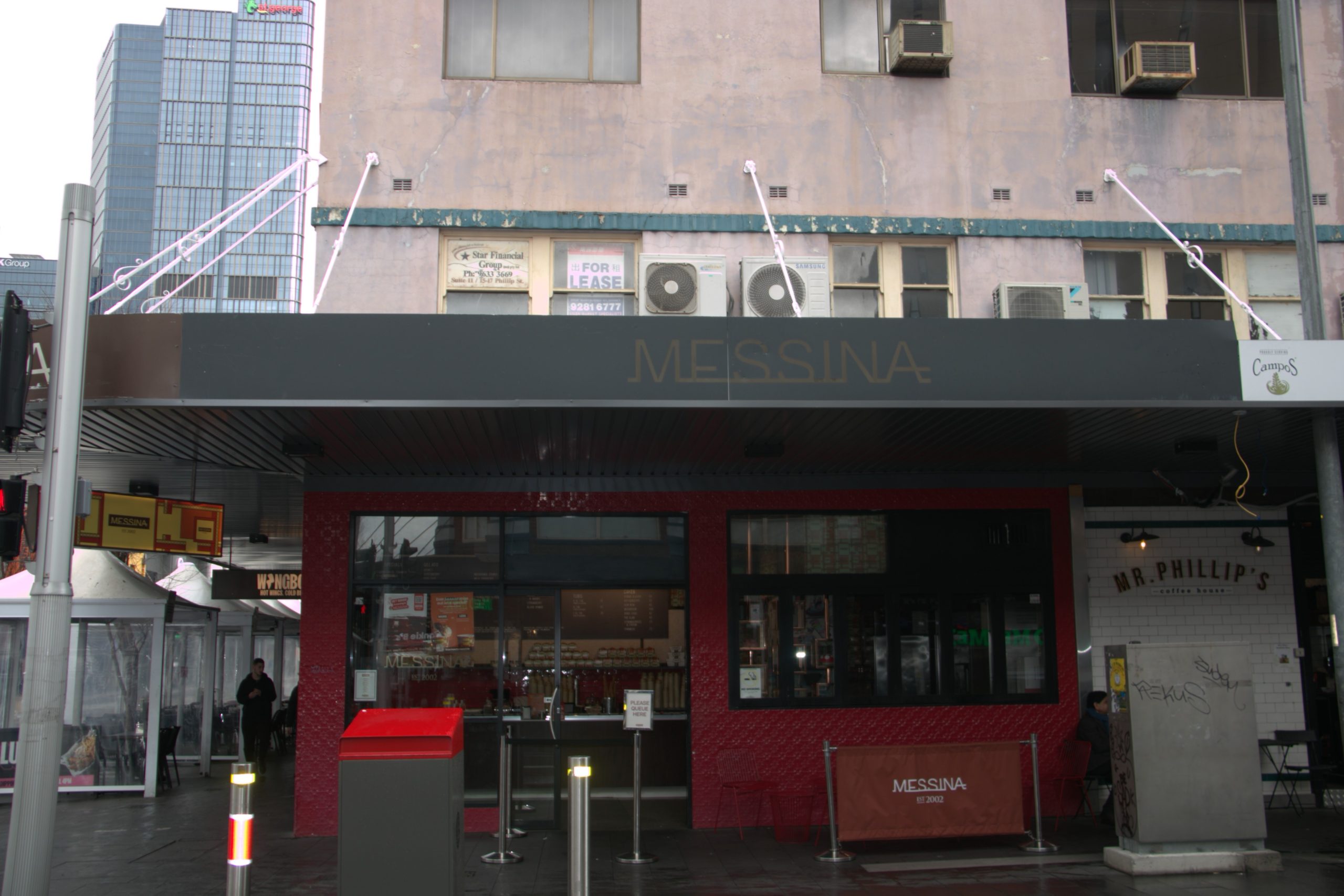
Every install starts with a site visit. We measure the frontage, check wall construction and condition, note any obstructions such as signage, lighting or air conditioning units, and assess whether the awning will project over private land or a public footpath. This determines the design and whether council approval will be needed.
Step 2: Design and awning type
Most shopfronts use either a fixed tie-rod supported canopy or a motorised retractable system. Fixed canopies suit permanent branding and weather protection, while retractable awnings are popular for outdoor dining areas that need flexible shade. We match the frame, fabric or panel material, and colour to your frontage and signage.
Step 3: Engineering and approvals
Any awning fixed to a building relies on wall anchors and, for larger spans, tie rods rated to Sydney’s wind loading requirements. A structural engineer certifies the fixing design before installation. If the awning projects over a public footpath, this is also the stage where we prepare the Section 68 application and supporting drawings for your local council.
Step 4: Fabrication
Once the design and engineering are confirmed, the frame and cover are fabricated to the exact dimensions of your frontage. Lead times vary by material and complexity, but most standard shopfront awnings are ready within two to four weeks of sign-off.
Step 5: Installation day
Installation is usually completed in a single day for a standard shopfront, or longer for wraparound or multi-bay canopies. The frame is anchored to the wall, tie rods are tensioned and load-tested, and the cover or panelling is fitted. Motorised systems are wired and tested on site.
Step 6: Certification and sign-off
Once installed, the fixings are proof-load tested and the engineer issues final certification confirming the awning meets structural and safety requirements. You’ll receive this documentation for your records and, if the awning sits over a public footpath, for the council file.
How Long the Whole Process Takes
For a standard shopfront awning, a realistic timeline from first call to finished installation looks like this:
- Site assessment: usually arranged within a few days of your enquiry.
- Design, quote and engineering: generally one to two weeks, depending on the complexity of the frontage.
- Council approval, if required: in our experience documentation can usually be lodged and approved in around 10 business days.
- Fabrication: typically two to four weeks after sign-off.
- Installation: usually one day for a single shopfront, longer for wraparound or multi-bay canopies.
Heritage buildings, strata properties and awnings over busy footpaths can take longer because of the extra approvals and access planning involved.
What to Have Ready Before You Start
You can help keep the project moving by having a few things on hand when we first visit:
- Written consent from the building owner if you are a tenant, or strata committee approval if the building is strata titled.
- Any existing building plans or previous approvals for the facade.
- Your signage plans, so the awning, signage and any lighting can be designed together.
- Your trading hours, so installation can be scheduled around your busiest periods.
A New Awning Also Cuts Cooling Costs
Sydney summers are getting hotter, and a glass shopfront in full sun puts a heavy load on the air conditioning. An awning stops that heat before it reaches the glass, which is why external shading works far better than internal blinds, which only act once the heat is already inside. Industry estimates put cooling savings at around 20 to 50 percent on windows that were previously unshaded, depending on the building and its orientation.
North and west facing shopfronts, which take the worst of the afternoon sun, benefit most. A shaded frontage also:
- Keeps the space near the window more comfortable for customers and staff
- Cuts UV damage to stock, signage, furniture and flooring near the glass
- Takes pressure off air conditioning equipment during the hottest part of the day, which helps it last longer
If you are planning a new awning before summer, allow time for engineering and approvals so it is up before the first heatwave. Our storm season guide covers what to check once the summer storms arrive.
Looking After Your New Awning
A new awning is built to last decades, but only if it is looked after. Regular cleaning, clear gutters and a periodic structural inspection will protect your investment and keep it compliant. Our awning maintenance guide covers what to check and how often. If you are planning under-awning lighting as part of the install, read our guide to LED lighting under shop awnings.
We do every step of this ourselves, including the site visit, the engineering and the certified sign-off. If you’re planning a new shopfront awning, get in touch with our team to arrange a site assessment.
Not sure you need a new awning at all? Many tired awnings can be fixed, so see our shop awning repairs first.
Planning a new awning for a shop or commercial building? See our commercial awning construction page for the full process and recent projects.
Related Reading
Or see our complete awning repair, installation and maintenance services for the full picture.
For a larger commercial or shopping strip installation, see our commercial awnings page.