
The City of Sydney covers the CBD and inner-city shopping strips including The Rocks, Surry Hills, Pyrmont and Haymarket, some of the densest and most heritage-sensitive retail streets in the country. Here’s how the approval pathway for a shop awning actually works in this LGA.
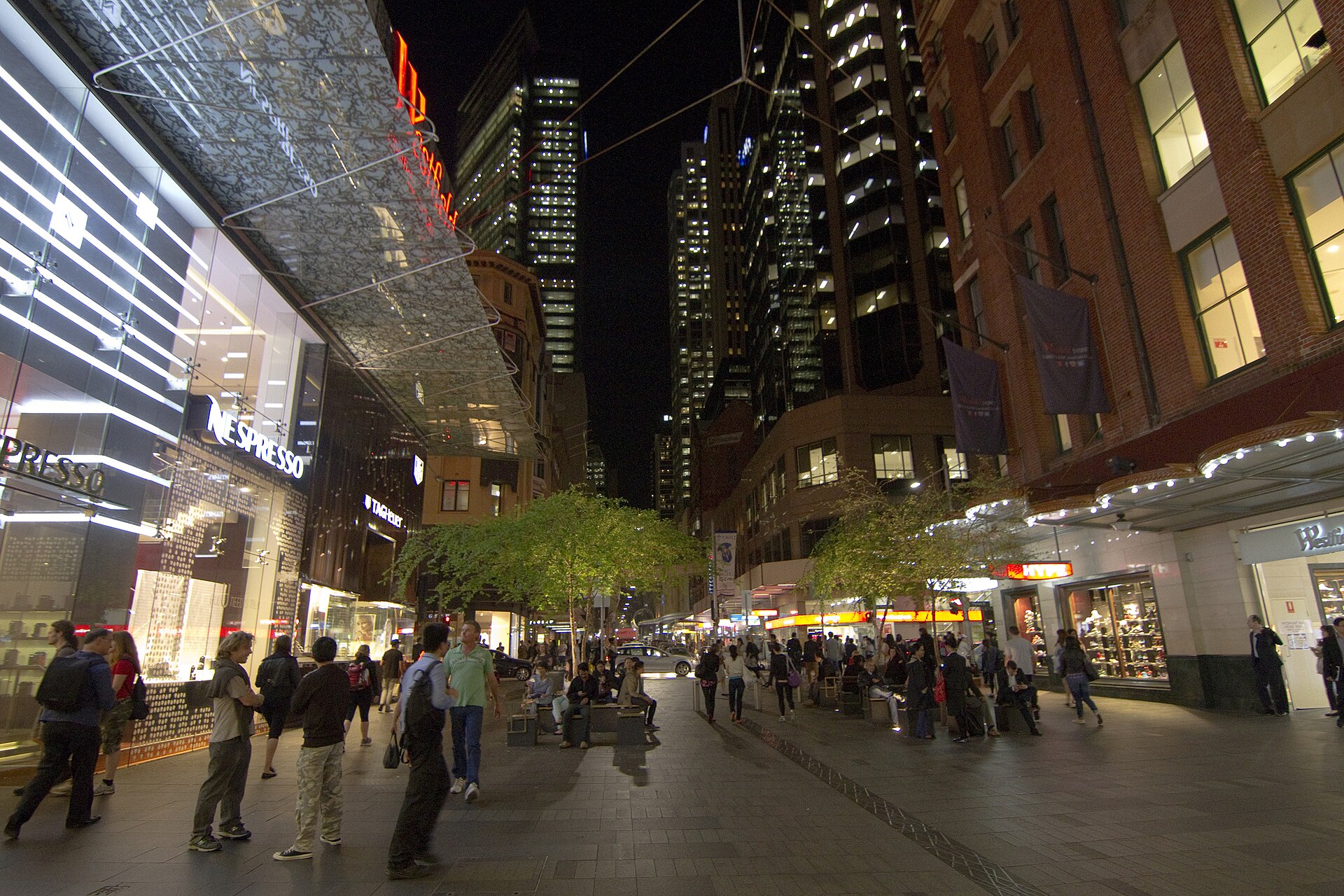
Which DCP applies to your awning
Awning design in the City of Sydney used to sit under a dedicated Awnings Policy, but that policy was repealed and its provisions folded into the Sydney Development Control Plan 2012, which now applies to most of the local area. Some precincts, including parts of the CBD, still sit under the older Central Sydney DCP 1996. The City’s development guidelines and policies page lists the repealed awnings policy for reference, alongside the current controls that replaced it, so it’s worth confirming which DCP applies to your specific address before finalising a design.
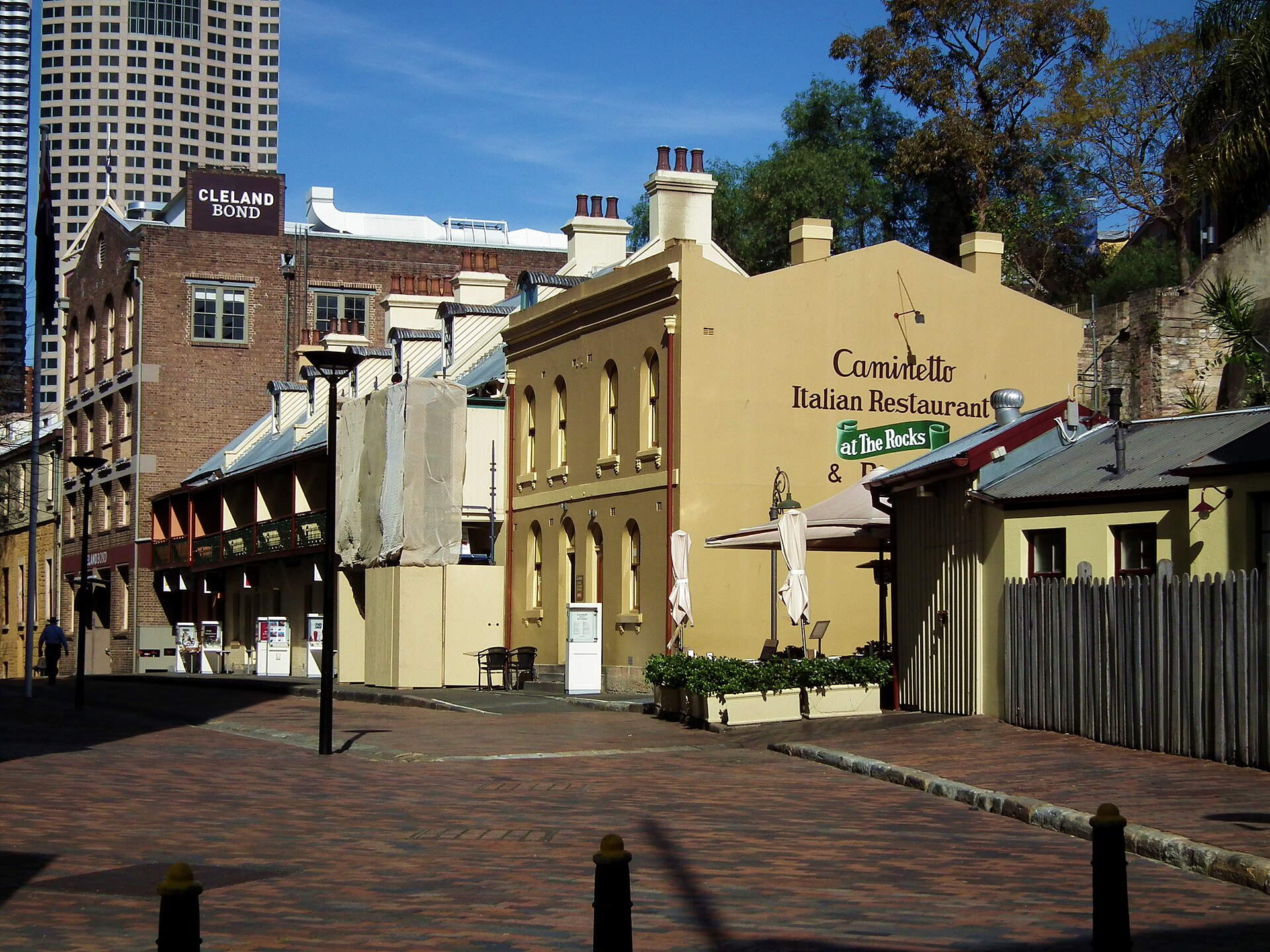
Heritage awnings in The Rocks and beyond
A large share of the City of Sydney’s commercial buildings, including much of The Rocks, are heritage items or sit within a heritage conservation area. The City’s Heritage Development Control Plan 2006 specifically addresses awning and verandah detailing on heritage buildings, including retaining original suspension points and pressed metal awning ceilings where they survive. On a heritage item this generally means a full Development Application rather than a fast-tracked pathway, with the design assessed against the heritage DCP as well as the general awning controls.
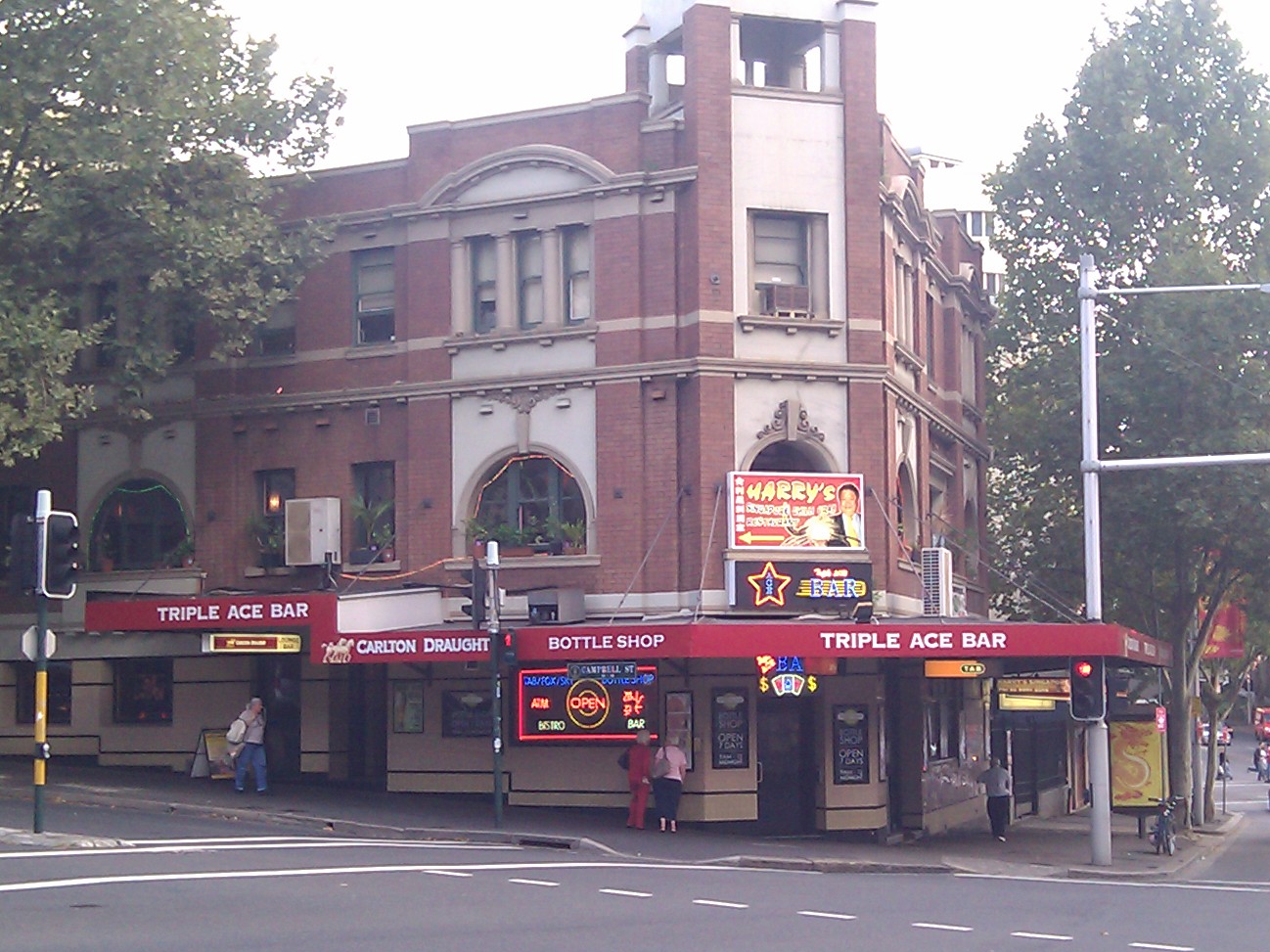
Section 68 approval for footpath awnings
Almost every shopfront awning in the City of Sydney projects over a public footpath, which means Section 68 approval under the Local Government Act comes into play alongside the planning pathway. Work over the road reserve also needs consent under Section 138 of the Roads Act 1993. The City’s Get approval for Section 68 activities page sets out the application process, and structural work like an awning requires a certificate of design from a practising structural engineer under Section 93 of the Local Government Act. If your business is also planning footpath dining or displaying goods on the footway under the awning, check the City’s separate Outdoor Dining Policy and Display of Goods on the Footway policy, which run alongside the awning approval itself.
Structural certification, whatever the pathway
Whether your awning ends up as exempt development, a complying development certificate or a full DA, an engineer’s certification of the fixings is standard practice across the City of Sydney given how much foot traffic passes underneath these structures daily. This is part of our new awning installation process, and sits alongside the general council approval considerations and typical cost factors that apply to any new Sydney installation.
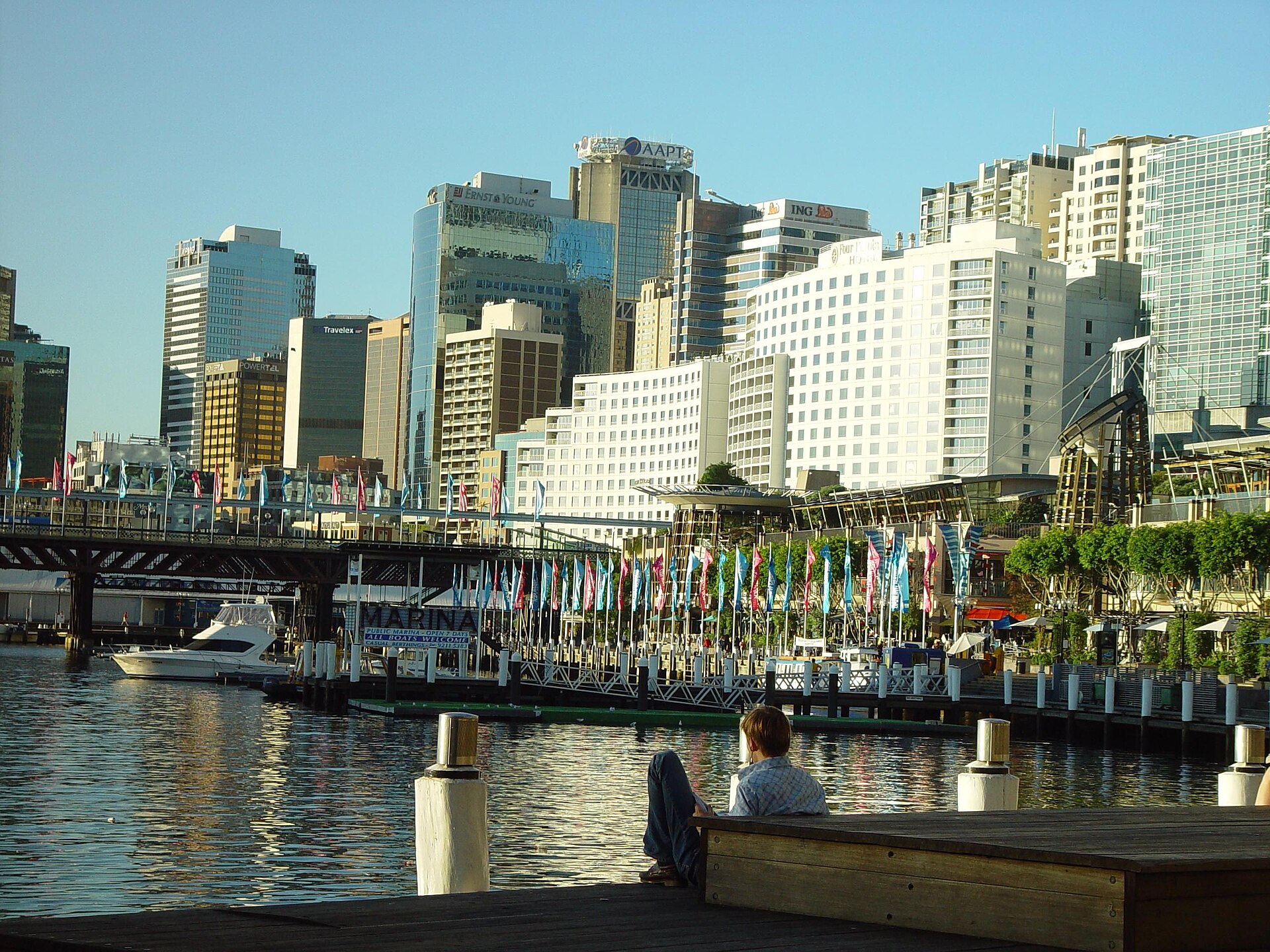
Key awning design controls under Sydney DCP 2012
The Sydney DCP 2012 sets out the main dimensions council expects for new street awnings. In general, a new awning should be:
- Set back at least 1 metre from the face of the kerb, to clear smart poles, utility poles and vehicles in the kerbside lane
- Set back at least 1.5 metres from the kerb where there are street trees
- Between 2 and 3.6 metres deep
- Between 3.2 and 4.2 metres above the footpath
Many older awnings in the city were built much closer to the kerb, so a like-for-like replacement may not meet these controls. If council asks for an existing awning to be modified, the design will usually need to bring it closer to the current numbers.
City of Sydney shopping strips we work on
We repair, certify and replace shop awnings across the City of Sydney, including Oxford Street and Crown Street in Surry Hills and Darlinghurst, Glebe Point Road, Harris Street in Pyrmont, the Haymarket and Chinatown precinct, and the heritage streetscapes of The Rocks. The CBD brings its own challenges, which we cover in our guide to commercial awning repairs in the Sydney CBD.
Frequently asked questions
Do I need council approval for an awning in the City of Sydney?
Almost always, because nearly every shopfront awning projects over a public footpath. That brings in Section 68 approval under the Local Government Act and Section 138 consent under the Roads Act, alongside the planning pathway for the awning itself.
How far from the kerb does a new awning need to be?
Under the Sydney DCP 2012, new street awnings are generally set back at least 1 metre from the face of the kerb, or at least 1.5 metres where there are street trees. Larger setbacks may apply where traffic signs or signals are mounted on nearby poles.
What if my building is heritage listed?
Heritage items and buildings in heritage conservation areas need extra care, and council will expect replacement awnings to respect the original design and materials. See our guide to heritage awning repairs.
How we help City of Sydney businesses
Shop Awning Repairs Sydney works across the City of Sydney LGA, from the CBD and The Rocks through to Surry Hills and Pyrmont, and prepares the structural certification and drawings that Council or a certifier will ask for. If you’re planning a new awning or need an existing one assessed, get in touch with our team for advice specific to your property.
Related Reading
Or view the full list of awning services we offer, from routine maintenance to complete restorations.
For CBD retail strips and larger commercial buildings, our commercial awnings page covers steel-frame options in more depth.
Sources: NSW Planning Circular BS 13-001: Safety of Awnings over Public Lands (NSW Department of Planning and Environment) and the Sydney Development Control Plan 2012 (City of Sydney).